
Why Do Cats Get Mad When You Touch Their Tail? A Comprehensive Guide
Why do cats get mad when you touch their tail? The answer lies in a complex interplay of nerve sensitivity, evolutionary instincts, and learned associations: cats often react negatively to tail touching because it’s a vulnerable area susceptible to overstimulation or perceived threats, causing discomfort or triggering defensive reflexes.

The Sensitive Tail: A Neurological Hotspot
A cat’s tail is far more than just a furry appendage. It’s an extension of their spine, containing numerous nerve endings and complex muscles. Think of it as a highly sensitive antenna, constantly relaying information to the brain. This means that unexpected or unwanted touch can be easily misinterpreted, leading to a negative reaction. Understanding the tail’s anatomy is key to understanding why do cats get mad when you touch their tail?
- Vertebrae: The tail comprises multiple vertebrae, connected by flexible cartilage.
- Nerve Endings: A dense network of nerves runs throughout the tail, making it highly sensitive to pressure, temperature, and movement.
- Muscles: Numerous muscles control the tail’s movement, allowing cats to communicate their mood and maintain balance.

Is distilled water good for goldfish?
What colours are fish most attracted to?
Can you put your finger in a trout's mouth?
Is methylene blue anti bacterial?
Evolutionary Roots: The Tail as a Vulnerable Target

From an evolutionary perspective, the tail is a vulnerable part of a cat’s anatomy. In the wild, a damaged or compromised tail could hinder their ability to hunt, escape predators, or maintain balance. Therefore, cats are naturally protective of their tails, and any perceived threat to this area can trigger a defensive response. This innate sensitivity contributes to why do cats get mad when you touch their tail?
Consider the implications of tail damage in the wild:
- Reduced Agility: Impaired balance impacts hunting and evasion.
- Increased Vulnerability: Makes the cat an easier target for predators.
- Communication Issues: Hinders the ability to signal mood and intentions.
Learned Associations: Past Experiences Matter
A cat’s past experiences also play a significant role in determining their reaction to tail touching. If a cat has had a negative experience associated with their tail, such as being stepped on or having it accidentally pulled, they may develop a learned aversion to having it touched. This negative association can manifest as hissing, swatting, or even biting. Therefore, why do cats get mad when you touch their tail? can often be traced back to negative memories.
Here’s a simple table summarizing the contributing factors:
| Factor | Explanation | Result |
|---|---|---|
| Nerve Sensitivity | High concentration of nerve endings in the tail. | Overstimulation and discomfort when touched unexpectedly. |
| Evolutionary Instinct | Protection of a vulnerable body part. | Defensive reaction to perceived threats. |
| Learned Association | Negative experiences associated with tail touching. | Aversion and negative reaction based on past events. |
The Importance of Reading Your Cat’s Body Language
Understanding your cat’s body language is crucial for avoiding unwanted tail-touching incidents. Watch for signs of discomfort or agitation, such as:
- Tail Twitching: Rapid tail movement indicates irritation.
- Flattened Ears: Suggests anxiety or fear.
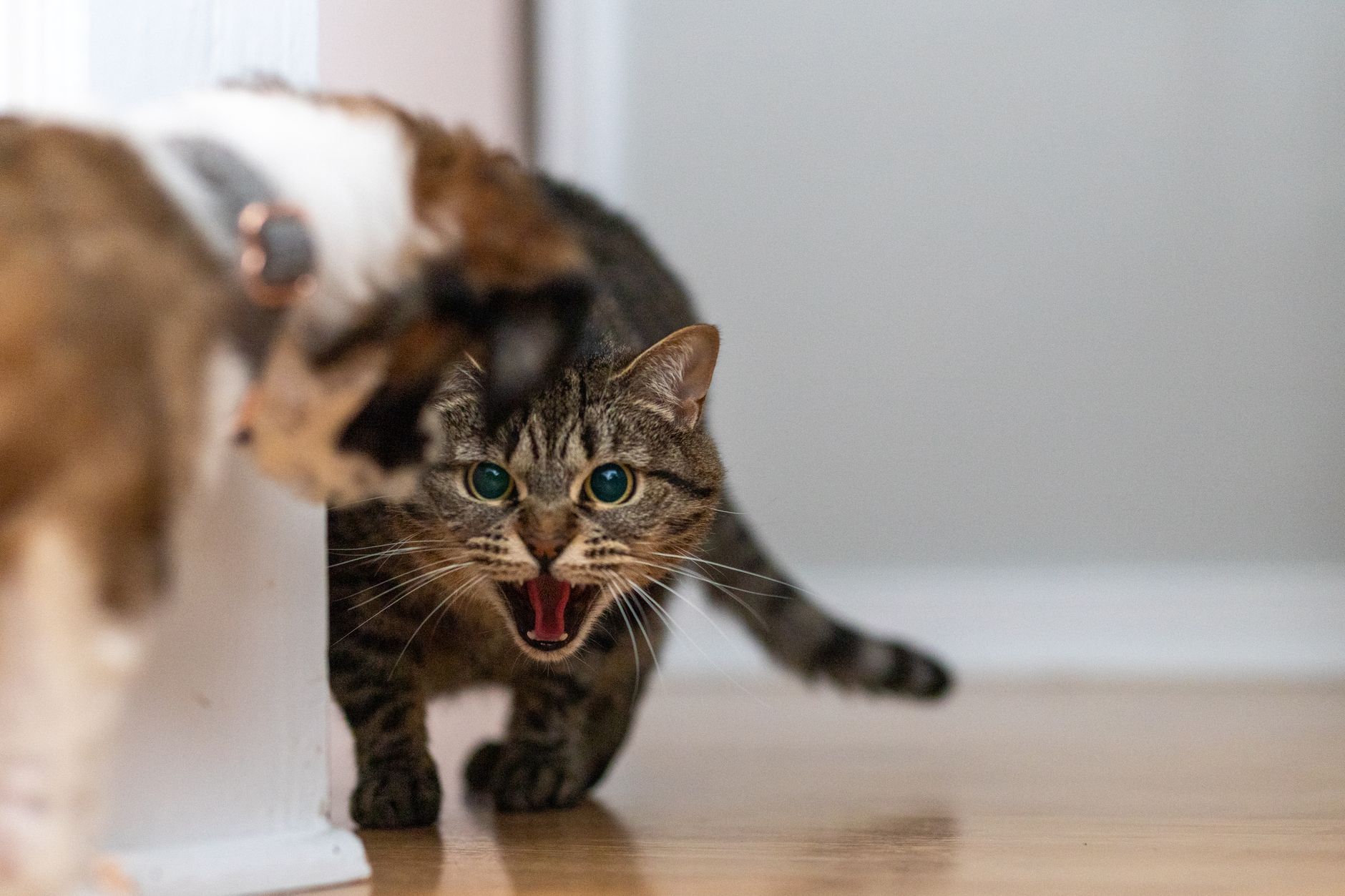
- Dilated Pupils: Indicates heightened arousal, which could be fear or aggression.
- Hissing or Growling: Clear warnings to back off.
- Skin Twitching: involuntary muscle contractions indicating distress.
Finding Alternatives: Where Cats Prefer to Be Pet
Respecting a cat’s boundaries is essential for building trust and maintaining a positive relationship. Instead of focusing on the tail, try petting them in areas they typically enjoy, such as:
- Head and Chin: Many cats enjoy being scratched gently around the head and chin.
- Cheeks: Rubbing the cheeks can release pheromones, which cats find comforting.
- Base of the Ears: Another common favorite spot for petting.
- Back: Gently stroking along the back, avoiding the tail area.
Frequently Asked Questions (FAQs)
Is it ever okay to touch a cat’s tail?
It depends entirely on the individual cat. Some cats are more tolerant of tail touching than others, especially if they’ve been accustomed to it from a young age. However, it’s always best to approach with caution and observe their body language carefully. Start by gently stroking their back, and if they seem relaxed and comfortable, you can try lightly touching their tail. If they show any signs of discomfort, immediately stop.
Why do cats wag their tails if they are annoyed when you touch them?
Cats wag their tails for a variety of reasons, and it’s not always a sign of happiness. While a slow, gentle wag can indicate contentment, a rapid, jerky tail wag often signifies irritation, agitation, or even impending aggression. It is a sign that why do cats get mad when you touch their tail? may result in unwanted behavior, so it is best to stop. Pay close attention to other body language cues to accurately interpret their mood.
Do kittens react differently to tail touching than adult cats?
Kittens are often more tolerant of handling than adult cats, but it’s still important to be gentle and respectful. Early positive experiences with being touched, including around the tail, can help them develop a more relaxed attitude towards it. However, never force a kitten to tolerate something they’re clearly uncomfortable with, as this can lead to long-term aversions.
What if my cat’s tail twitches involuntarily?
If your cat’s tail twitches involuntarily, it could be a sign of several things, including excitement, anxiety, or even a medical condition. If the twitching is persistent or accompanied by other symptoms, such as limping or changes in behavior, it’s important to consult with a veterinarian to rule out any underlying health issues.
Is there a specific age when cats become more sensitive to tail touching?
There’s no specific age, but as cats mature, they may become more set in their preferences and sensitivities. This is particularly true if they’ve had negative experiences associated with tail touching. However, it’s also important to consider individual personality differences; some cats are simply naturally more sensitive than others.
Can a cat’s breed influence its sensitivity to tail touching?
While genetics play a role in personality, there is no definitive scientific evidence to suggest that certain breeds are inherently more sensitive to tail touching than others. A cat’s individual personality, experiences, and socialization are far more influential factors. Therefore, the question of why do cats get mad when you touch their tail? remains more about the cat’s unique experiences than its breed.
What should I do if I accidentally step on my cat’s tail?
If you accidentally step on your cat’s tail, the most important thing is to remain calm and avoid making sudden movements. Immediately apologize in a soothing voice and check for any signs of injury. If your cat seems to be in pain or is unable to move their tail, consult with a veterinarian as soon as possible.
How can I help my cat become more comfortable with having their tail touched?
If you want to help your cat become more comfortable with having their tail touched, start by building trust through positive reinforcement. Gradually introduce gentle touches to other areas they enjoy, such as their head or chin, and reward them with treats or praise. Slowly progress towards their tail, always observing their body language for signs of discomfort. If they tolerate a brief touch, immediately reward them.
Can touching a cat’s tail cause them any harm?
While gentle touching is unlikely to cause harm, rough handling or pulling on a cat’s tail can be extremely painful and potentially cause serious injuries, such as fractures or nerve damage. Always handle a cat’s tail with extreme care and avoid any forceful movements.
Does a cat’s tail length affect its sensitivity?
The length of the tail is not a significant factor in determining sensitivity. Regardless of length, the tail is still packed with nerve endings and vulnerable to injury. Remember that why do cats get mad when you touch their tail? relates to nerve sensitivity and associated vulnerabilities.
Why does my cat sometimes rub its tail against me?
When a cat rubs its tail against you, it’s a sign of affection and bonding. They are essentially marking you with their scent, claiming you as part of their territory. This behavior is usually accompanied by purring and rubbing their head against you.
Is my cat broken if it likes its tail touched?
Absolutely not! Every cat is unique, and some cats simply enjoy or tolerate having their tail touched more than others. If your cat doesn’t seem to mind it, there’s no reason to worry. Simply continue to be gentle and respectful of their boundaries. Your cat isn’t “broken,” they are just an individual.