

How to Clear a Ferret Blockage: A Comprehensive Guide
The process of clearing a ferret blockage can be complicated and potentially life-threatening, but involves a combination of supportive care, lubrication, and sometimes surgical intervention; How do you clear a ferret blockage? is best answered with a trip to the vet, but early detection and supportive care are crucial.

Introduction: The Dangers of Ferret Blockages
Ferrets, with their inquisitive nature and love of exploring, are unfortunately prone to intestinal blockages. These blockages, often caused by ingested foreign objects like rubber, foam, or hair, can be extremely dangerous, even fatal, if not addressed promptly. Understanding the causes, symptoms, and potential treatments is vital for any ferret owner. Recognizing the urgency of the situation and knowing when to seek immediate veterinary care is paramount.

What colours are fish most attracted to?
Can you put your finger in a trout's mouth?
Is methylene blue anti bacterial?
Does aquarium salt raise pH in aquarium?
Understanding Ferret Blockages
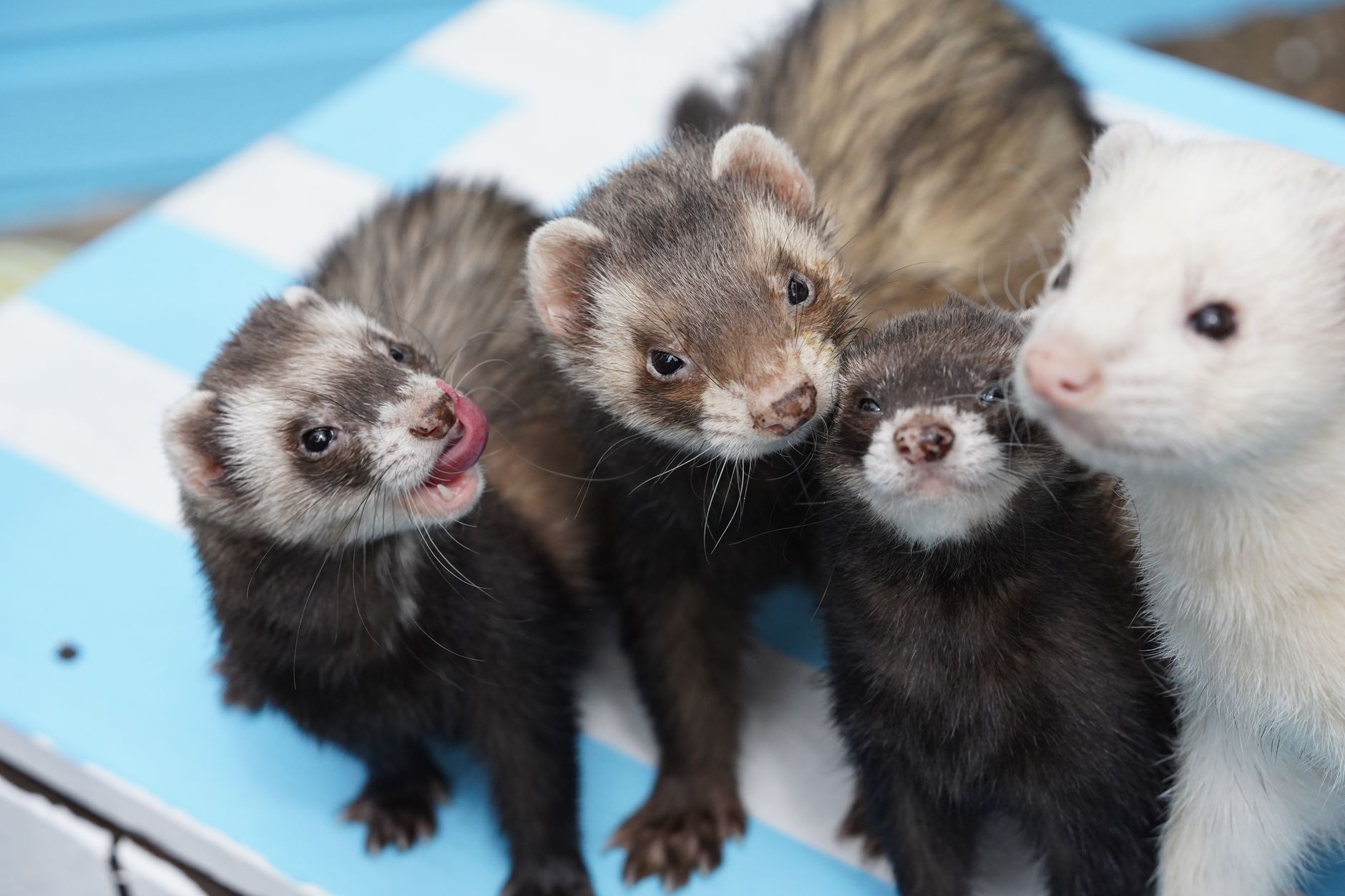
A blockage in a ferret’s digestive tract prevents food and fluids from passing through normally. The most common type is a mechanical obstruction, caused by the ingestion of indigestible material. These foreign bodies can lodge anywhere along the digestive tract, from the stomach to the intestines. The severity of the blockage depends on its location, size, and the extent to which it’s obstructing the flow. Untreated blockages can lead to dehydration, electrolyte imbalances, tissue damage, and even death.
Identifying the Symptoms
Early detection is key to successfully managing a ferret blockage. Watch out for the following warning signs:
- Loss of appetite: A sudden disinterest in food is a major red flag.
- Lethargy: Blocked ferrets are often weak and inactive.
- Vomiting or regurgitation: This is a common symptom, especially if the blockage is in the upper digestive tract.
- Straining to defecate or absence of stool: Difficulty passing stool or a complete lack of stool indicates a potential blockage.
- Abdominal pain or distension: Your ferret may be sensitive to touch around its abdomen.
- Dehydration: Check for sunken eyes, dry gums, and decreased skin elasticity.
- Teeth grinding: This can be a sign of pain or nausea.
Immediate Steps to Take
If you suspect your ferret has a blockage, do not attempt to treat it at home without veterinary guidance. Here are the crucial steps to take:
- Contact your veterinarian immediately: Blockages require professional diagnosis and treatment.
- Withhold food: Do not give your ferret any food until you have spoken to your veterinarian.
- Provide water: Ensure your ferret has access to fresh water.
- Keep your ferret warm and comfortable: Stress can worsen the condition.
- Be prepared to provide a detailed history: Your vet will need information about your ferret’s diet, behavior, and potential access to foreign objects.
Veterinary Diagnosis and Treatment
Your veterinarian will perform a thorough examination to diagnose the blockage. This may include:
- Physical examination: Palpating the abdomen to feel for any masses or obstructions.
- Radiographs (X-rays): To visualize the location and size of the blockage. Sometimes barium contrast is used to highlight the digestive tract.
- Ultrasound: Can be useful for visualizing soft tissue obstructions.
- Blood tests: To assess organ function and hydration status.
Treatment options will vary depending on the severity and location of the blockage:
- Supportive care: Intravenous fluids to correct dehydration and electrolyte imbalances. Medications to control vomiting and pain.
- Lubrication: Mineral oil or other lubricants may be administered to help the foreign body pass. This must be done under veterinary supervision to prevent aspiration pneumonia.
- Endoscopy: In some cases, a veterinarian may be able to use an endoscope to retrieve the foreign body.
- Surgery: If other methods fail, surgery may be necessary to remove the blockage.
Prevention is Key
Preventing blockages is always better than dealing with a medical emergency. Here are some tips to keep your ferret safe:
- Ferret-proof your home: Remove or secure any small, easily ingested items.
- Provide appropriate toys: Avoid toys that can be easily chewed apart.
- Monitor your ferret’s behavior: Pay attention to what your ferret is putting in its mouth.
- Groom your ferret regularly: This helps to reduce the amount of hair ingested during grooming.
- Feed a high-quality ferret food: This helps maintain a healthy digestive system.
Potential Complications
Even with prompt treatment, complications can arise from ferret blockages:
- Dehydration: Can lead to organ damage and death.
- Peritonitis: Inflammation of the abdominal lining caused by leakage from the digestive tract.
- Intestinal perforation: A hole in the intestine caused by the blockage.
- Septicemia: A life-threatening infection of the bloodstream.
- Aspiration pneumonia: Inflammation of the lungs caused by inhaling vomit or fluids.
- Stricture formation: Scar tissue that can narrow the digestive tract.
Frequently Asked Questions
What are the most common items ferrets ingest that cause blockages?
Ferrets are notorious for swallowing non-food items. Common culprits include rubber toys, foam bedding, earplugs, pieces of cloth, and hair. Regular inspection of their environment and providing safe, durable toys can help prevent these incidents.
Can I use over-the-counter medications to treat a ferret blockage?
No. Never administer over-the-counter medications to your ferret without veterinary guidance. Many human medications are toxic to ferrets and can worsen the condition. Always consult with your veterinarian for appropriate treatment options.
How quickly can a ferret blockage become fatal?
Blockages can become fatal within 24-72 hours if left untreated, depending on the location and severity. Early veterinary intervention is crucial to increase the chances of survival.
How much does it typically cost to treat a ferret blockage?
The cost of treatment can vary widely depending on the severity of the blockage, the diagnostic tests required, and the treatment options needed. Treatment can range from a few hundred dollars for supportive care and lubrication to several thousand dollars for surgery and hospitalization.
What is the success rate of surgery for ferret blockages?
The success rate of surgery depends on various factors, including the ferret’s overall health, the location and severity of the blockage, and the surgeon’s experience. With prompt and skilled surgical intervention, many ferrets can recover fully.
Can a ferret blockage resolve on its own?
It’s unlikely that a significant blockage will resolve on its own. While small pieces of hair or very small objects might pass, larger obstructions require veterinary intervention. Never wait to see if it resolves itself.
What type of food is best for ferrets recovering from a blockage?
After a blockage, your veterinarian will recommend a bland, easily digestible diet. This may include a prescription diet designed for gastrointestinal issues. Follow your vet’s instructions carefully.
How can I prevent my ferret from chewing on inappropriate items?
- Provide plenty of safe and stimulating toys. Rotate the toys regularly to keep your ferret engaged.
- Ensure your ferret has adequate enrichment and playtime. A bored ferret is more likely to get into mischief.
- Spray bitter apple or other deterrents on items you want to keep your ferret away from.
- Supervise your ferret closely when it’s out of its cage.
Are some ferrets more prone to blockages than others?
While any ferret can develop a blockage, young ferrets and ferrets with a history of pica (eating non-food items) may be more prone. Regular veterinary checkups and careful monitoring are important for all ferrets.
What should I expect during a ferret’s recovery from blockage surgery?
Expect your ferret to require pain medication and antibiotics. It’s important to keep the surgical site clean and dry. You’ll need to monitor your ferret’s appetite, stool production, and energy levels. Follow your veterinarian’s post-operative instructions closely.
Is mineral oil safe for ferrets with suspected blockages?
Mineral oil can be used, but only under strict veterinary supervision. There is a risk of aspiration pneumonia if the ferret inhales the oil. A vet can determine the correct dosage and administer it safely.
Can stress contribute to ferret blockages?
While stress doesn’t directly cause blockages, it can weaken the immune system and make ferrets more susceptible to illness. It can also cause them to change their behavior, making them more likely to ingest something they shouldn’t. Minimize stress in your ferret’s environment by providing a safe, comfortable, and enriching habitat.