

Why Do Bunnies Fall Asleep When On Their Backs? Unraveling the Mystery of “Bunny Flops”
The unexpected relaxation of a rabbit on its back is often a complex interplay of trust, comfort, and a potential evolutionary quirk. Why do bunnies fall asleep when on their backs? It’s a sign of deep relaxation and vulnerability, but it’s crucial to understand the context.

Understanding the “Bunny Flop”
The sight of a rabbit suddenly flopping onto its side or back can be alarming, but it’s usually a sign of contentment. While it may appear that bunnies fall asleep when on their backs completely involuntarily, it’s usually a conscious decision driven by comfort and security.

What colours are fish most attracted to?
Can you put your finger in a trout's mouth?
Is methylene blue anti bacterial?
Does aquarium salt raise pH in aquarium?
Why This Happens
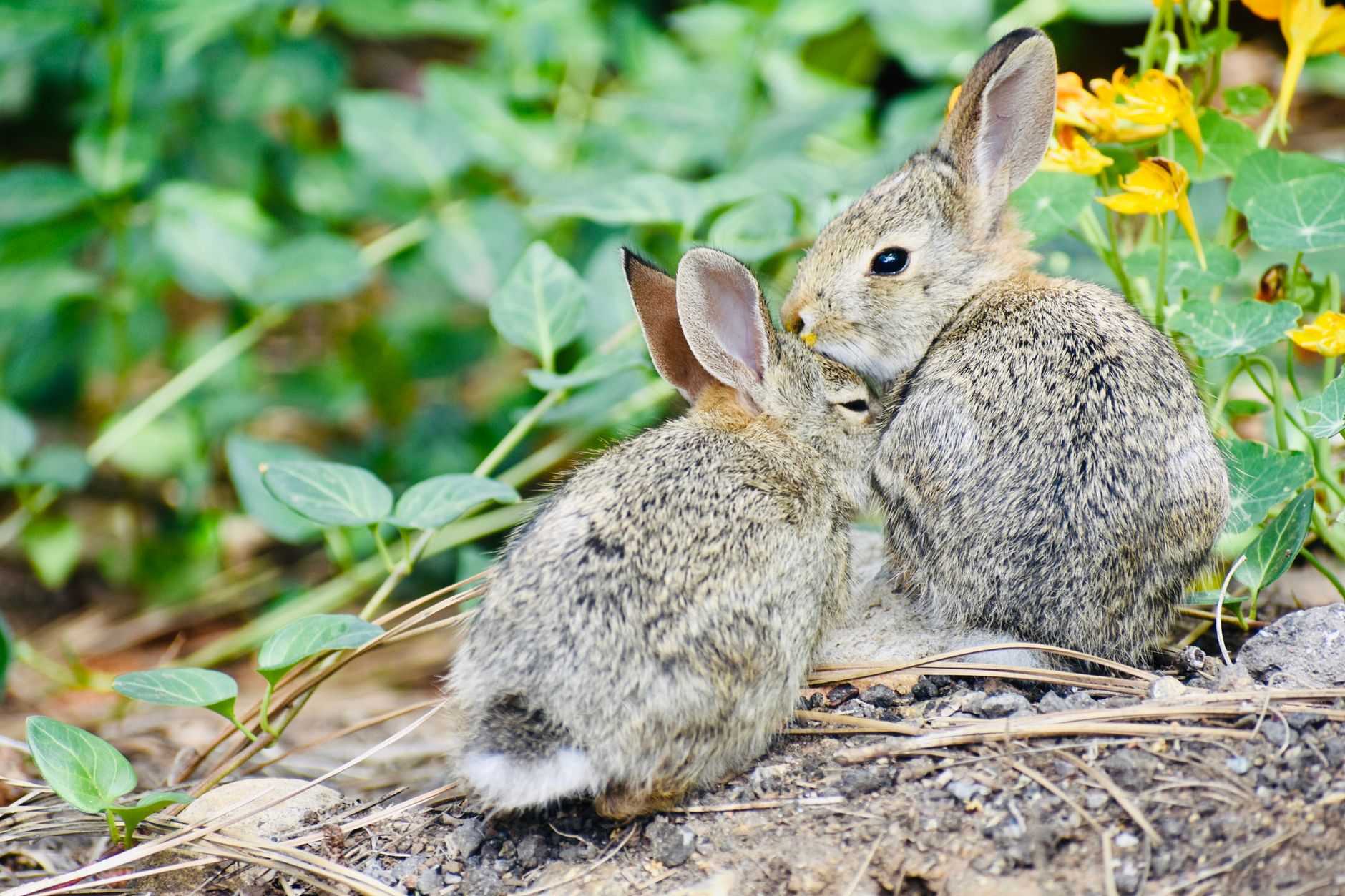
The behavior we see of a bunny flopping can be attributed to various reasons:
- Trust: A rabbit will only flop over if they feel completely safe and secure in their environment. This demonstrates a high level of trust in their surroundings and the people (or other animals) around them.
- Relaxation: Lying on their back allows bunnies to completely relax their muscles. This position can be particularly comfortable in warm weather, as it allows them to cool down more efficiently.
- Submission: In some cases, a rabbit may flop over as a sign of submission, especially if they are feeling intimidated or threatened. However, this is less common than the relaxation flop.
- Predator Avoidance (Evolutionary Theory): Some theories suggest the “flop” is a remnant of a predator avoidance strategy. A momentarily disoriented predator might lose interest in a “dead” or relaxed bunny.
Assessing the Situation
Before assuming that bunnies fall asleep when on their backs out of relaxation, it’s vital to observe the rabbit closely. Signs of a truly relaxed bunny include:
- Slow, deep breathing
- Closed or partially closed eyes
- Twitching whiskers or paws
- Complete lack of tension in the body
If the rabbit appears stiff, is breathing rapidly, or shows signs of distress, it’s important to gently right them and seek veterinary advice. This may indicate illness or injury.
The Importance of a Safe Environment
Creating a safe and secure environment is crucial for bunnies to feel comfortable enough to flop. This includes:
- Providing a spacious and comfortable enclosure
- Offering plenty of hiding places
- Handling rabbits gently and with care
- Minimizing loud noises and sudden movements
| Factor | Description |
|---|---|
| Spacious Enclosure | Allows bunny to move freely and choose comfortable positions |
| Hiding Places | Provides a sense of security and retreat |
| Gentle Handling | Builds trust and reduces stress |
| Quiet Environment | Minimizes anxiety and promotes relaxation |
Common Mistakes to Avoid
- Forcing a rabbit onto its back: This can be extremely stressful and harmful.
- Assuming all flops are the same: Always observe the rabbit’s body language to determine the cause of the flop.
- Ignoring signs of distress: Seek veterinary advice if you are concerned about your rabbit’s health.
- Not creating a safe environment: A secure environment is essential for a rabbit to feel comfortable enough to flop.
The “Trance” Phenomenon: Tonic Immobility
A common misconception is that flopping is the same as tonic immobility. Tonic immobility, or trancing, is a state of induced paralysis triggered by fear or stress. It is not the same as a voluntary flop. Trancing should be avoided as it can be extremely harmful to rabbits. Signs of trancing include:
- Stiff body posture
- Wide, unblinking eyes
- Shallow, rapid breathing
Frequently Asked Questions (FAQs)
Why do bunnies fall asleep when on their backs, and is it always safe?
While it usually signifies deep relaxation and trust, the act of a rabbit on its back is not always safe. Observing body language is crucial to distinguish between a voluntary “flop” and a sign of distress or illness.
Can all bunnies do this behavior of flopping?
Most bunnies are physically capable of flopping, but it depends on their individual personality, comfort level, and environment. Some bunnies are simply more cautious and less prone to this behavior than others.
How can I encourage my bunny to flop?
The best way to encourage flopping is to create a safe, secure, and comfortable environment where your rabbit feels completely relaxed. Gentle handling and positive reinforcement can also help build trust.
Is there an age at which bunnies are more likely to flop?
Young bunnies are often more playful and curious, and may be more likely to experiment with different positions, including flopping. However, older bunnies can also flop if they feel comfortable and secure.
What should I do if my bunny flops suddenly and seems to be struggling?
If your bunny seems to be struggling or showing signs of distress after flopping, gently right them and observe their behavior. If they continue to seem unwell, seek veterinary advice.
Why do some bunnies never flop, even in a comfortable environment?
Every bunny has a different personality and comfort level. Some bunnies are simply more cautious or less prone to flopping, even in a safe environment. It doesn’t necessarily indicate a problem.
Should I ever force my bunny to lie on its back?
Never force your bunny to lie on its back. This can be extremely stressful and harmful. The act of bunnies falling asleep when on their backs should always be a voluntary behavior.
Is flopping the same as a seizure in rabbits?
No, flopping is not the same as a seizure. Seizures are characterized by uncontrolled muscle spasms and loss of consciousness, while flopping is a voluntary act of relaxation. If you suspect your rabbit is having a seizure, seek veterinary advice immediately.
Does the breed of bunny affect its likelihood of flopping?
While individual personality plays a larger role, some breeds are generally known to be more laid-back and relaxed than others, which might make them more prone to flopping. However, this is not a hard-and-fast rule.
What are some signs that a bunny is about to flop?
Signs that a bunny is about to flop include: grooming themselves thoroughly, stretching out their body, and lying down in a relaxed posture. They may also yawn or close their eyes slightly.
Can bunnies flop on any surface?
Bunnies prefer to flop on soft, comfortable surfaces such as blankets, rugs, or even a pile of hay. They are less likely to flop on hard or uncomfortable surfaces.
Is there anything else that looks similar to a flop that could signal illness?
Yes, head tilting (vestibular disease) can sometimes resemble a flop to an untrained eye. However, a bunny with head tilt will struggle to maintain its balance and may circle. If you’re unsure, seek veterinary advice.