

Why Are My Betta Fish’s Gills Red? Understanding Gill Redness in Betta Fish
Red gills in Betta fish are often a sign of underlying health problems, primarily related to poor water quality or infections, demanding immediate attention to correct the situation. Why is my betta fish’s gills red? This condition necessitates prompt investigation and action to ensure the fish’s survival and well-being.
Introduction: The Vital Role of Betta Gills
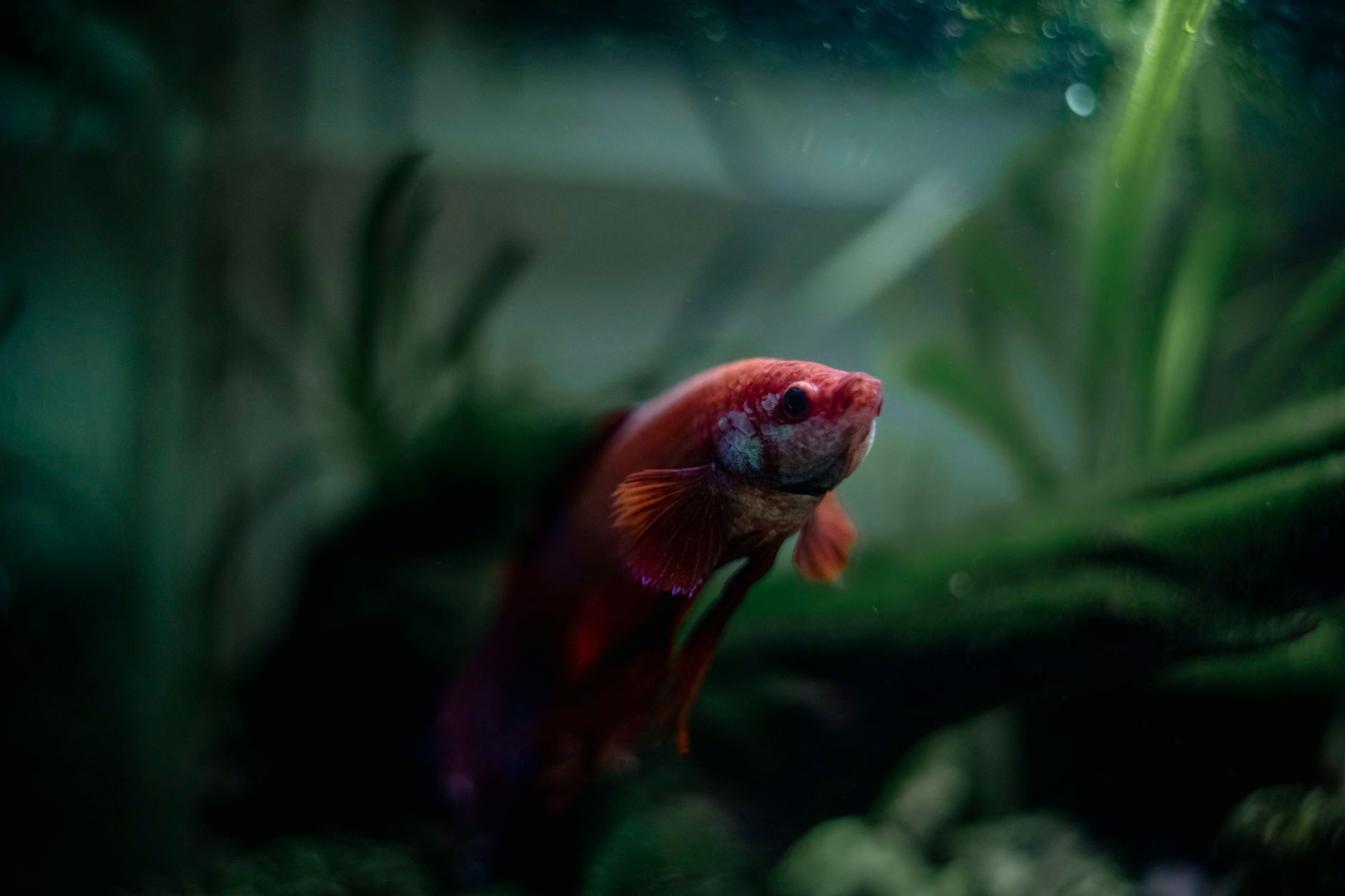
Betta fish, also known as Siamese fighting fish, are captivating creatures celebrated for their vibrant colors and flowing fins. However, beneath their beauty lies a delicate physiology, and their gills play a crucial role in their survival. The gills are responsible for extracting oxygen from the water and releasing carbon dioxide, a vital function for any aquatic animal. Healthy betta gills should be a pale pink to reddish color, depending on the individual fish and its genetics. Any deviation from this norm, particularly significant redness, is a critical warning sign.
How intelligent are fish?
Are fish heads good for the garden?
Can fish hear water?
What is cotton rot in fish?
Potential Causes of Red Gills
Several factors can contribute to red gills in Betta fish. Identifying the root cause is the first step toward providing effective treatment. Understanding these potential issues is key to protecting your betta’s health.
-
Ammonia Poisoning: This is one of the most common causes. Ammonia is a byproduct of fish waste and decaying organic matter. High levels of ammonia irritate and burn the delicate gill tissues, causing them to become inflamed and red. This is especially prevalent in tanks that are not properly cycled or have inadequate filtration.
-
Nitrite Poisoning: Similar to ammonia, nitrite is another toxic byproduct produced during the nitrogen cycle. Elevated nitrite levels can also irritate the gills, leading to redness and inflammation. Nitrite binds to the hemoglobin in the fish’s blood, preventing oxygen transport.
-
Bacterial Gill Infections: Bacteria, such as Flavobacterium columnare (columnaris), can attack the gills, causing inflammation and redness. These infections are often secondary to poor water quality or stress.
-
Parasitic Infestations: Certain parasites can attach to the gills and cause irritation and inflammation. Gill flukes are a common culprit, feeding on the gill tissue and causing damage.
-
Chlorine or Chloramine Toxicity: Tap water often contains chlorine or chloramine, which are toxic to fish. These chemicals can damage the gills if not properly neutralized with a water conditioner before adding the water to the tank.
-
Physical Injury: Though less common, physical trauma to the gills, such as from a sharp object in the tank, could cause localized redness.
Diagnosing the Problem
Proper diagnosis requires careful observation and, potentially, water testing. Here are some steps to take:
-
Visual Inspection: Observe your betta closely. Is the redness localized or widespread? Are there any other symptoms, such as lethargy, clamped fins, flashing (rubbing against objects), or difficulty breathing?
-
Water Testing: Test the water for ammonia, nitrite, nitrate, and pH levels. These parameters provide crucial information about the water quality.
-
Observe Behavior: Look for signs of distress, such as gasping at the surface, erratic swimming, or a lack of appetite.
-
Rule Out Other Illnesses: Consider other potential diseases. Are there any visible lesions, fin rot, or other symptoms that might suggest a different underlying issue?
Treatment and Prevention
Once you’ve identified the likely cause, you can implement appropriate treatment strategies. Prevention is always the best approach, emphasizing consistent tank maintenance and proper water parameters.
-
Water Changes: Perform frequent partial water changes (25-50%) to reduce ammonia, nitrite, and nitrate levels.
-
Water Conditioner: Always use a water conditioner to neutralize chlorine and chloramine when adding tap water to the tank.
-
Medications: If a bacterial or parasitic infection is suspected, use appropriate medications specifically formulated for fish. Follow the manufacturer’s instructions carefully.
-
Salt Treatment: Aquarium salt can be beneficial for treating certain gill infections and reducing stress. However, use it cautiously and monitor your betta’s reaction.
-
Improve Filtration: Ensure your filter is appropriately sized for your tank and that it is functioning properly. Clean the filter media regularly, but avoid replacing all the media at once, as this can disrupt the beneficial bacteria colony.
-
Maintain a Healthy Environment: Provide your betta with a spacious tank (at least 5 gallons), a heater to maintain a consistent temperature (78-82°F), and plenty of hiding places.
Importance of Early Intervention
Red gills are a serious symptom that requires prompt attention. Early intervention significantly improves the chances of a full recovery. Ignoring the problem can lead to irreversible gill damage, secondary infections, and ultimately, death. Understanding why is my betta fish’s gills red? is the first step in saving your betta’s life.
Frequently Asked Questions (FAQs)
Why is my betta fish’s gills red on one side only?
Localized redness often suggests a localized irritation or injury, such as physical trauma or a localized parasitic infection. Carefully inspect the affected area for any signs of injury. Perform a water change and monitor the fish closely. If the redness persists or worsens, consider consulting a veterinarian specializing in aquatic animals.
How often should I change the water in my betta’s tank to prevent red gills?
The frequency of water changes depends on the size of the tank, the number of fish, and the efficiency of the filter. Generally, for a 5-gallon tank with one betta, a 25-50% water change once or twice a week is recommended. Regular testing of water parameters is the best way to determine the optimal water change schedule.
Can stress cause red gills in betta fish?
Yes, stress can indirectly contribute to red gills. Stress weakens the immune system, making the fish more susceptible to infections. Stress can also lead to a buildup of waste products in the tank, further exacerbating the problem. Provide a stable and enriching environment to minimize stress.
What medications are safe to use for treating red gills in betta fish?
The appropriate medication depends on the underlying cause of the red gills. For bacterial infections, antibiotics such as erythromycin or tetracycline may be effective. For parasitic infections, medications such as praziquantel or metronidazole may be used. Always consult with a veterinarian or experienced fish keeper before using any medication.
Are red gills always a sign of a serious problem?
While red gills are always a cause for concern, the severity can vary. Mild redness may indicate early-stage irritation from poor water quality, while severe redness with other symptoms suggests a more serious infection or infestation. Regardless, prompt investigation and action are crucial.
How can I cycle my betta tank to prevent ammonia and nitrite spikes?
Cycling a tank involves establishing a colony of beneficial bacteria that convert ammonia into nitrite and then nitrite into nitrate. This process takes several weeks. You can cycle the tank before adding the fish (fishless cycling) or with the fish in the tank (fish-in cycling), though the latter requires more frequent water changes to protect the fish. Fishless cycling is the preferred method.
What are the signs of ammonia poisoning in betta fish, besides red gills?
Besides red gills, other signs of ammonia poisoning include lethargy, gasping at the surface, clamped fins, loss of appetite, and red streaks in the fins. Ammonia poisoning is a serious condition that can quickly lead to death.
Is aquarium salt safe to use for treating red gills in betta fish?
Aquarium salt can be beneficial for treating certain gill infections and reducing stress in betta fish. However, use it cautiously, as bettas are sensitive to salt. Start with a low dose (1 teaspoon per gallon) and gradually increase it if necessary. Monitor your betta’s reaction closely.
Can I use tap water directly in my betta’s tank if I add a water conditioner?
Yes, you can use tap water, but it’s essential to use a water conditioner that neutralizes chlorine and chloramine. Follow the manufacturer’s instructions carefully. Let the water sit for a while after adding the conditioner before adding it to the tank.
What type of filter is best for a betta tank?
Sponge filters, hang-on-back (HOB) filters, and canister filters are all suitable options for betta tanks. Sponge filters are gentle and provide excellent biological filtration, making them a popular choice. HOB filters are easy to install and maintain.
How can I tell the difference between a bacterial infection and a parasitic infestation in my betta’s gills?
It can be challenging to differentiate between bacterial and parasitic infections based on visual symptoms alone. Microscopic examination of gill samples is the most accurate way to diagnose the problem. However, some clues include the presence of white spots (ich) or visible parasites on the gills, which suggest a parasitic infestation.
Why is my betta’s nitrate level always high, even after water changes?
High nitrate levels can indicate an imbalance in the nitrogen cycle, overfeeding, or insufficient filtration. Ensure your filter is adequately sized and properly maintained. Consider adding live plants to the tank, as they help absorb nitrates. Reduce feeding and perform more frequent water changes.