

Why Antlers Turn Red: Unveiling the Crimson Mystery
The red hue on antlers often signifies a critical stage in their development: the presence of velvet, a nutrient-rich skin. This reddish coloration is primarily due to the blood vessels within the velvet supplying the growing bone structure beneath.

Understanding Antler Development
Antlers are unique to the deer family (Cervidae) and are a fascinating example of rapid bone growth. Unlike horns, which are permanent and covered in keratin, antlers are shed and regrown annually. This incredible process is governed by hormonal changes, primarily fluctuations in testosterone levels. The cyclical nature of antler growth is directly linked to the breeding season, or rut.

What colours are fish most attracted to?
Can you put your finger in a trout's mouth?
Is methylene blue anti bacterial?
Does aquarium salt raise pH in aquarium?
The Crucial Role of Velvet
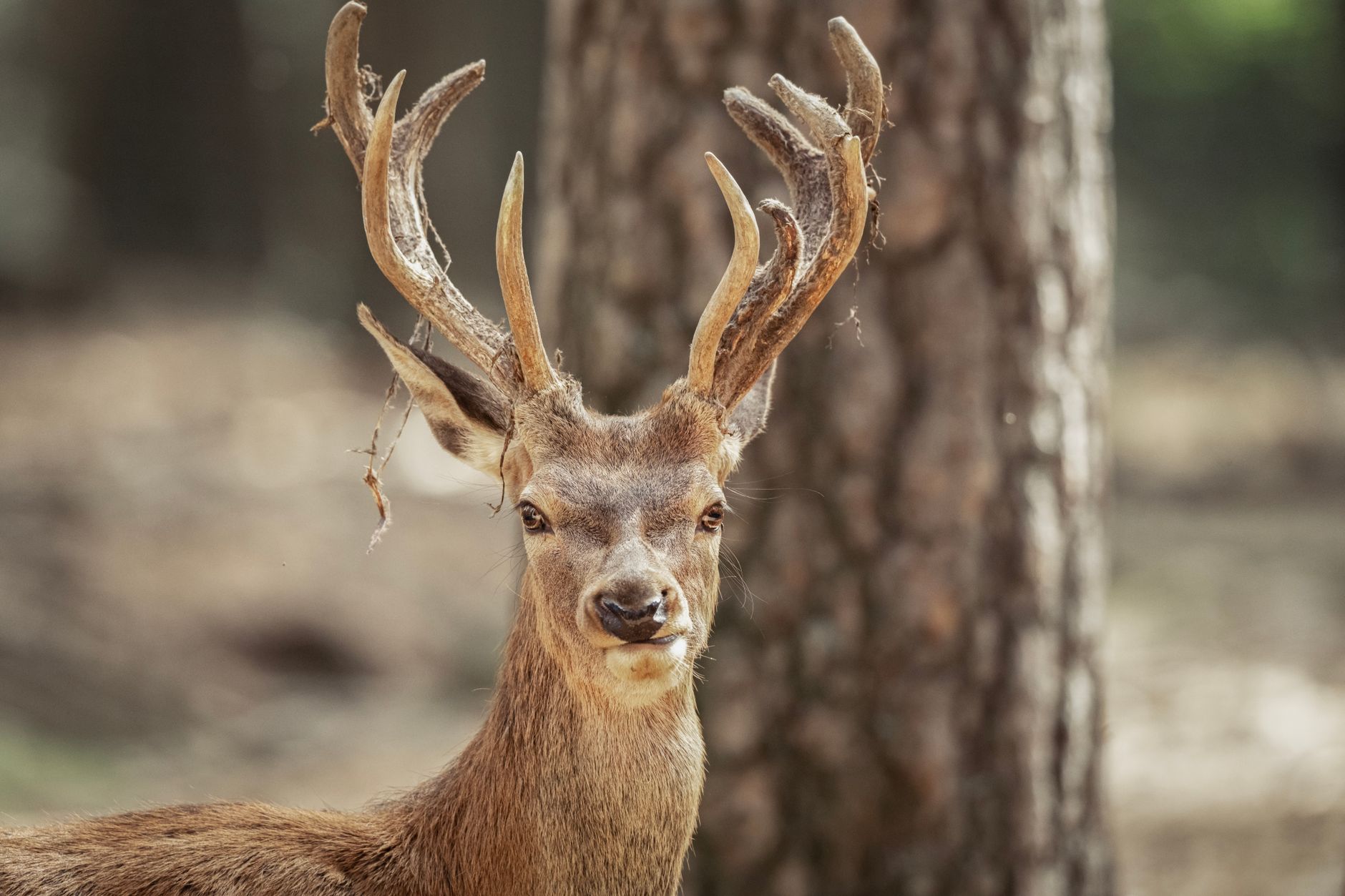
Velvet is the soft, furry skin covering antlers during their growth phase. This specialized tissue is critical because:
- It provides a dense network of blood vessels, delivering essential nutrients like calcium and phosphorus to the rapidly developing bone.
- It contains nerves that are sensitive to touch, allowing the deer to avoid damaging the fragile antlers.
- The reddish color comes from the large amount of blood flowing through these vessels.
The antler itself is initially a cartilaginous structure, gradually ossifying into bone as minerals are deposited. The velvet plays an indispensable role in this process. Without the velvet’s nutrient supply, antler growth would be impossible.
The Significance of the Red Color
The red color observed on antlers is a direct result of the blood circulating within the velvet. The intensity of the red hue can vary depending on several factors:
- Age of the antler: Younger antlers tend to have a deeper red color due to higher blood flow.
- Deer’s health: A healthy deer with a good diet will have stronger blood flow, resulting in a more vibrant red.
- Antler size: Larger antlers require a greater blood supply, potentially leading to a more pronounced red coloration.
Therefore, the red color is a visual indicator of the antler’s vascularity and overall health during its growth phase. Understanding why do antlers turn red? is fundamentally connected to understanding antler physiology.
Shedding the Velvet
As the breeding season approaches, testosterone levels increase dramatically in bucks. This triggers a process called ossification, where the cartilage in the antlers is replaced by dense bone. As the bone hardens, the blood supply to the velvet diminishes, and the tissue begins to dry and peel away. This shedding process, often called rubbing, can take several days or even weeks.
During velvet shedding, the deer will often rub its antlers against trees and shrubs to accelerate the process. The resulting antlers are now fully formed and hardened, ready for use in displays of dominance and competition for mates.
Factors Influencing Antler Growth
Several factors can influence antler growth:
- Genetics: Inherited traits play a significant role in antler size and shape.
- Nutrition: A diet rich in protein and minerals is crucial for optimal antler development.
- Age: Antler size typically increases with age until a buck reaches its prime.
- Habitat Quality: Access to high-quality forage and cover significantly impacts antler growth.
The overall condition of the deer, including its health and stress levels, also contributes to antler development.
Comparison of Antlers and Horns
| Feature | Antlers | Horns |
|---|---|---|
| Growth | Shed and regrown annually | Permanent, continuously grow |
| Covering | Velvet (during growth), then bare bone | Keratin |
| Occurrence | Primarily in deer family (Cervidae) | Found in various animals (e.g., cattle, sheep) |
| Blood Supply | Rich blood supply during velvet stage | No blood supply |
| Bone Structure | Branched structure | Typically a single core |
Frequently Asked Questions (FAQs)
Why do antlers turn red if they are made of bone?
The red color isn’t the bone itself. It’s the color of the blood circulating within the velvet, which is the skin covering the antlers during their growth phase. The bone underneath is initially cartilage and gradually mineralizes.
Is the velvet painful for the deer when it is shedding?
Shedding velvet can be itchy and irritating, but it’s generally not considered painful. Deer will rub their antlers against trees and shrubs to help remove the shedding velvet.
Do all deer species have antlers?
No, only male deer (bucks) typically grow antlers. However, in some species like reindeer (caribou), both males and females grow antlers.
What is antler velvet used for in traditional medicine?
Antler velvet has been used in traditional medicine for centuries, particularly in Asia. It is believed to have various health benefits, including improved immune function, increased energy, and enhanced sexual performance. However, scientific evidence supporting these claims is limited, and further research is needed.
How fast do antlers grow?
Antlers are one of the fastest-growing tissues in the animal kingdom. Under optimal conditions, they can grow several inches per day during their peak growth period.
What happens to the shed antlers?
Shed antlers are a valuable source of nutrients for other animals, such as rodents, which gnaw on them for calcium and phosphorus. They also decompose and return nutrients to the soil.
Why do some antlers have an irregular shape or growth?
Irregular antler growth can be caused by several factors, including injury, disease, nutritional deficiencies, or hormonal imbalances. Genetics can also play a role.
How can I tell the age of a deer by its antlers?
While antler size and complexity tend to increase with age, it’s not a reliable method for accurately determining a deer’s age. Antler development is highly variable and influenced by genetics, nutrition, and habitat quality. Tooth wear is a more accurate indicator of age.
Can antlers regrow if they are broken off prematurely?
If an antler is broken off before the velvet is shed, it can regrow. The regeneration process depends on the extent of the damage and the stage of antler development.
What minerals are most important for antler growth?
Calcium and phosphorus are the most important minerals for antler growth, as they are the primary components of bone. Other essential minerals include magnesium, zinc, and manganese.
Does hunting affect antler size in a deer population?
Yes, selective harvesting of bucks with large antlers can reduce the genetic potential for antler growth in a population over time. Implementing quality deer management (QDM) practices can help maintain healthy antler development.
Why do some antlers remain red even after the velvet sheds?
Occasionally, some residual staining can occur after velvet shedding, giving the antlers a reddish hue. This is usually due to blood residue remaining on the bone surface and is typically not a sign of any underlying issue. It does not signify that why do antlers turn red? question isn’t appropriately answered.