

How Much Does a Male Alpaca Cost? Understanding Alpaca Pricing
The price of a male alpaca varies greatly based on age, pedigree, fleece quality, and conformation, but generally ranges from $500 to $10,000+. Understanding these factors is key to determining how much is a male alpaca and ensuring a worthwhile investment.

Understanding Alpaca Pricing: A Comprehensive Guide
Alpacas, those gentle, fleece-producing camelids, have become increasingly popular in recent years, not only as livestock but also as beloved companions. But how much is a male alpaca and what factors contribute to their price? Understanding the alpaca market requires navigating a range of variables, from breeding potential to fleece characteristics. This guide provides a comprehensive overview to help potential buyers make informed decisions.

What colours are fish most attracted to?
Can you put your finger in a trout's mouth?
Is methylene blue anti bacterial?
Does aquarium salt raise pH in aquarium?
Factors Influencing Male Alpaca Price
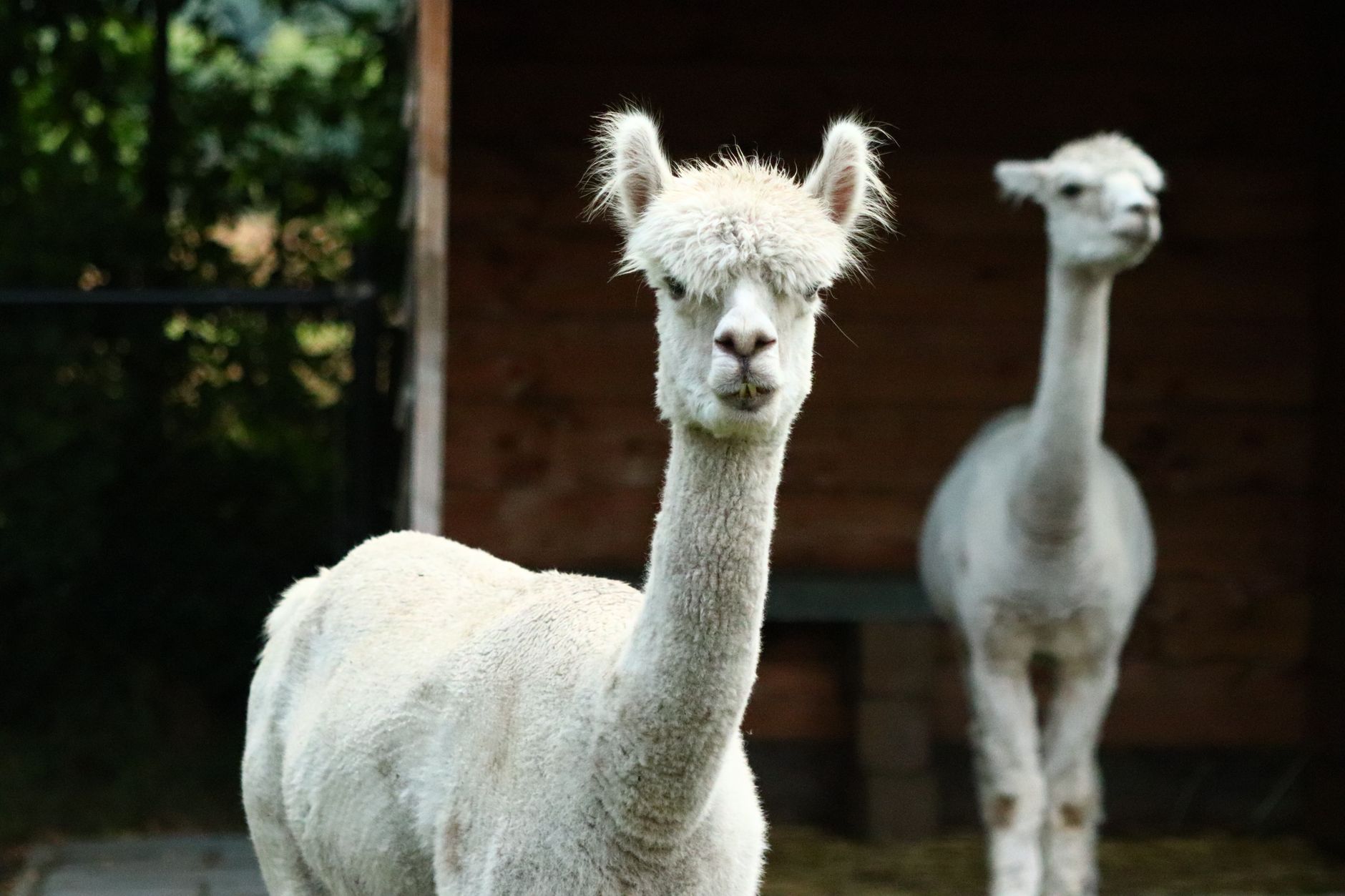
Several key elements dictate the price of a male alpaca, often referred to as a macho or herd sire.
- Genetics and Pedigree: Alpacas with superior bloodlines, particularly those related to champion sires or dams, command higher prices. Registration with organizations like the Alpaca Owners Association (AOA) and detailed pedigree information are crucial.
- Fleece Quality: Alpaca fleece is highly prized for its softness, luster, and warmth. Fine, dense fleece with good crimp and consistent color will increase an alpaca’s value. Fiber diameter, measured in microns, is a key indicator of quality.
- Conformation: A well-built alpaca with good proportions and a straight back is more desirable, both for breeding and showing. Any physical defects can significantly lower the price.
- Age: Younger alpacas, particularly those with proven breeding potential (if older than a few years), are typically more expensive. Older males may be less costly, depending on their health and fertility.
- Training and Temperament: A well-trained alpaca that is easy to handle and has a gentle disposition is more valuable, especially for smaller farms or those new to alpaca ownership.
- Breeding Rights: The ability to use a male alpaca for breeding purposes significantly increases its value. Those with superior genetics are sought after as herd sires.
The Benefits of Owning a Male Alpaca
Beyond the initial investment, owning a male alpaca offers several potential benefits:
- Breeding Potential: A quality male can generate income through stud fees.
- Fleece Production: Annual fleece harvests can be sold for profit.
- Pasture Management: Alpacas are gentle grazers and can help control weeds.
- Tax Benefits: Depending on local regulations, owning alpacas for agricultural purposes may qualify for certain tax benefits.
- Companionship: Alpacas are intelligent and social animals, making them enjoyable to interact with.
Identifying a Quality Male Alpaca
When assessing a male alpaca, consider the following:
- Fiber Analysis: Request a fiber sample analysis to determine micron count, comfort factor, and other key characteristics.
- Health Records: Review the alpaca’s health history, including vaccinations and any medical treatments.
- Breeding History: If applicable, examine the alpaca’s breeding record, including the quality of offspring produced.
- Conformation Assessment: Have a knowledgeable alpaca breeder or veterinarian assess the alpaca’s conformation.
- Temperament Evaluation: Spend time interacting with the alpaca to gauge its temperament and ease of handling.
Common Mistakes to Avoid When Buying a Male Alpaca
Avoid these pitfalls when investing in a male alpaca:
- Overlooking Fleece Quality: Don’t solely focus on pedigree; fleece quality is a major determinant of value.
- Ignoring Conformation: Poor conformation can lead to health problems and reduced breeding potential.
- Failing to Obtain a Veterinary Examination: A pre-purchase veterinary exam is essential to identify any underlying health issues.
- Neglecting Temperament: A difficult-to-handle alpaca can create significant management challenges.
- Buying Without a Contract: Always have a written contract that outlines the terms of the sale, including guarantees of health and fertility.
Understanding The Range: How Much Is a Male Alpaca?
To reiterate, how much is a male alpaca can span a considerable price range. A pet-quality, non-breeding male might cost as little as $500, whereas a champion-sired breeding male with exceptional fleece could easily exceed $10,000.
| Factor | Low End (Approx.) | High End (Approx.) |
|---|---|---|
| Genetics | Common bloodlines | Champion bloodlines |
| Fleece Quality | Coarse, inconsistent | Fine, dense, uniform |
| Conformation | Acceptable | Excellent |
| Age | Older, past prime | Young, proven sire |
| Training | Minimal | Well-trained |
| Price (USD) | $500 – $2,000 | $5,000 – $10,000+ |
Frequently Asked Questions (FAQs)
What is the average lifespan of a male alpaca?
Alpacas typically live for 15 to 20 years. Proper care and nutrition are crucial for longevity. Regular veterinary checkups and appropriate parasite control are essential.
How much space do male alpacas need?
Generally, you should allocate at least one acre of pastureland for every two to three alpacas. This provides sufficient grazing area and helps prevent overgrazing and soil erosion.
What do male alpacas eat?
Alpacas primarily graze on pasture grasses and hay. Supplementation with alpaca-specific feed may be necessary to ensure they receive adequate vitamins and minerals, especially during breeding season.
Are male alpacas prone to any specific health problems?
Male alpacas can be susceptible to conditions such as heat stress, parasites, and tooth root abscesses. Regular deworming, access to shade and water, and routine dental checks are important preventative measures.
How often do male alpacas need to be sheared?
Alpacas need to be sheared annually, usually in the spring before the weather gets too hot. Shearing removes the fleece and prevents overheating and discomfort.
Can male alpacas be kept alone, or do they need companions?
Alpacas are social animals and thrive in the company of other alpacas. Keeping a male alpaca alone can lead to stress and behavioral problems. At least one other alpaca companion is highly recommended.
Do male alpacas require special fencing?
Alpacas do not typically challenge fences. Four-foot-high woven wire fencing is usually sufficient to contain them.
How do I find a reputable alpaca breeder?
The Alpaca Owners Association (AOA) maintains a directory of registered breeders. Attending alpaca shows and visiting farms are also good ways to find reputable breeders.
What is the difference between a huacaya and a suri alpaca?
Huacayas have a crimped, fluffy fleece, while suris have long, silky, pencil-like locks. This difference in fleece texture affects the value and end-use of the fiber.
What are the ongoing costs of owning a male alpaca?
Ongoing costs include feed, veterinary care, shearing, fencing maintenance, and insurance. These costs can vary depending on the alpaca’s health, location, and management practices.
Is it possible to insure a male alpaca?
Yes, livestock insurance is available for alpacas. This insurance can cover losses due to death, theft, or injury.
Does the color of an alpaca’s fleece affect its value?
Yes, certain colors, such as white and light fawn, are generally more valuable because they can be easily dyed. Rare colors, like black or grey, can also command higher prices due to their scarcity. But remember that the overall quality of the fleece is usually the dominant factor when determining how much is a male alpaca.