
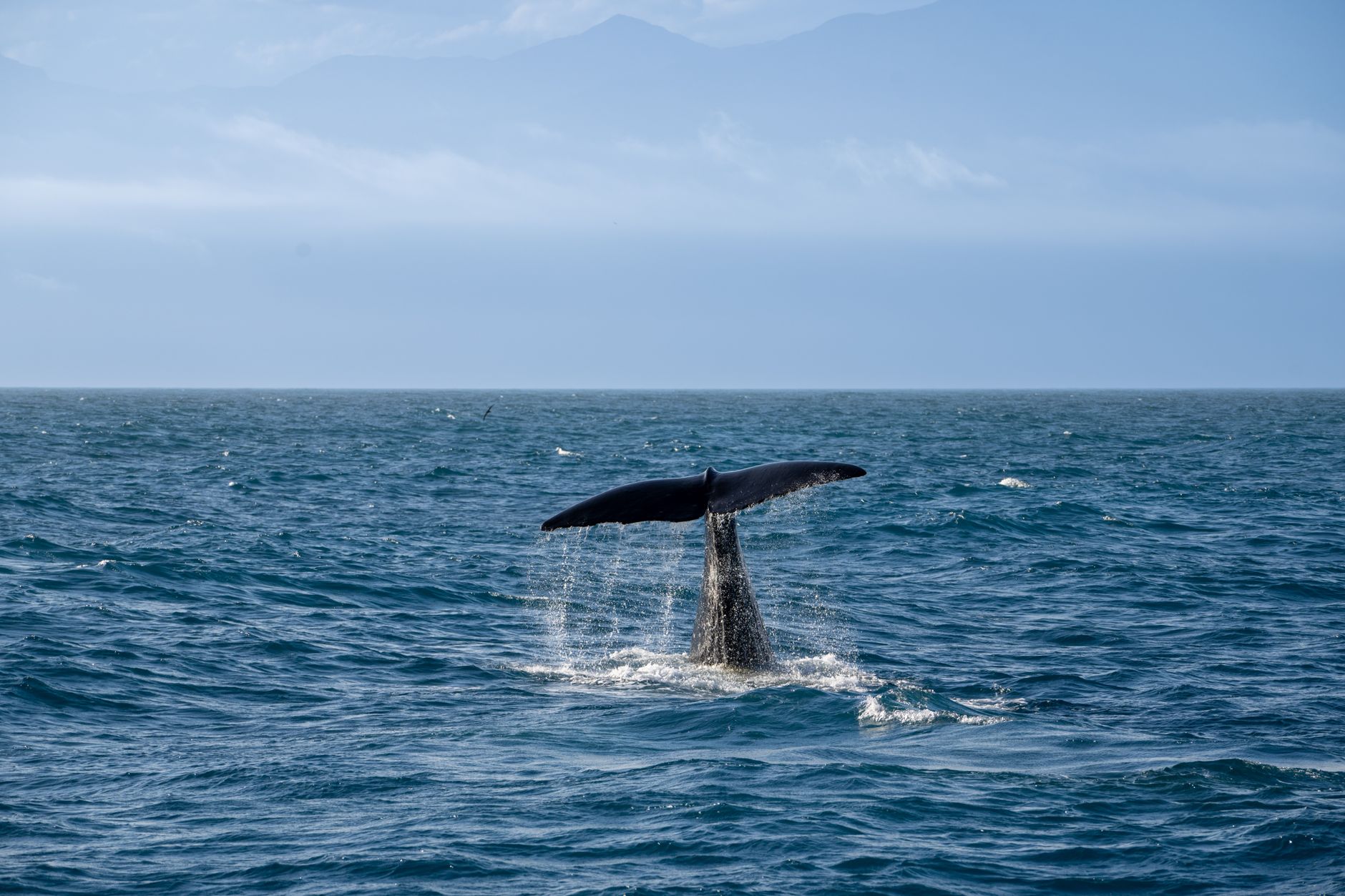
Why Did Whales Evolve to Be Big? The Secrets of Cetacean Gigantism
The evolution of immense size in whales is primarily driven by the increased efficiency in energy use and predator avoidance that comes with being large; however, the specific pressures and benefits varied across different whale lineages and time periods, influencing which whales got big and when. Understanding why did whales evolve to be big? involves exploring the interplay of environmental factors, ecological opportunities, and the unique biology of these marine mammals.

Introduction: The Enigma of Whale Size
Whales, the gentle giants of the ocean, captivate us with their intelligence, grace, and sheer size. Blue whales, the largest animals ever to have lived, dwarf even the dinosaurs. But the question of why did whales evolve to be big? remains a fascinating puzzle in evolutionary biology. It’s not a simple case of “bigger is better.” Evolving to such colossal dimensions requires significant adaptations, and there must have been powerful selective pressures driving this trend. This article delves into the scientific understanding of cetacean gigantism, exploring the various factors that likely contributed to the enormous size we see in modern whales.
What colours are fish most attracted to?
Can you put your finger in a trout's mouth?
Is methylene blue anti bacterial?
Does aquarium salt raise pH in aquarium?
The Benefits of Being Big

Several advantages are associated with large body size in aquatic environments. These benefits likely played a significant role in the evolution of whale gigantism:
- Thermoregulation: Larger animals have a lower surface area to volume ratio, allowing them to conserve heat more efficiently in cold waters. This is particularly crucial for whales migrating to high-latitude feeding grounds.
- Predator Avoidance: While large whales aren’t immune to predation, their size makes them less vulnerable to most predators, especially as adults. Only a few predators, such as killer whales, regularly target large baleen whales.
- Enhanced Foraging Efficiency: Baleen whales, in particular, benefit from their size when filter-feeding. A larger mouth allows them to engulf more prey in a single gulp, increasing their foraging efficiency.
- Increased Reproductive Success: Larger females tend to be more reproductively successful, producing larger calves with higher survival rates. They also have the energy reserves to support longer migrations and lactation periods.
- Longer Lifespan: Larger size is often correlated with longer lifespan. This allows whales more opportunities to reproduce throughout their lives.
The Process of Gigantism: How Whales Got So Big
The evolution of large size in whales was not a sudden event but a gradual process spanning millions of years. Key evolutionary changes include:
- Shift to Aquatic Life: The ancestors of whales were land-dwelling mammals. The transition to an aquatic environment opened up new ecological niches and opportunities for growth.
- Changes in Diet: The development of baleen filtering allowed whales to exploit abundant, small prey items like krill and copepods. This shift to filter feeding provided a massive energy source that fueled gigantism in baleen whales.
- Evolution of Blubber: Blubber, a thick layer of fat, provides insulation, energy storage, and buoyancy. This adaptation allowed whales to thrive in cold waters and store energy for long migrations.
- Skeletal Adaptations: Whale skeletons have undergone significant changes to support their massive size and facilitate efficient swimming. These adaptations include modifications to the spine, ribs, and flippers.
Comparing Different Whale Lineages
The evolution of large size has occurred independently in different whale lineages, suggesting that it is a beneficial strategy under certain conditions.
| Whale Type | Size Range (meters) | Diet | Key Adaptations |
|---|---|---|---|
| :—————- | :——————- | :—————————- | :——————————————— |
| Blue Whale | 24-30 | Krill | Baleen filtering, blubber layer |
| Fin Whale | 18-22 | Krill, small fish | Streamlined body, lunge feeding |
| Humpback Whale | 12-16 | Krill, small fish | Bubble-net feeding, long flippers |
| Sperm Whale | 11-20 | Squid, deep-sea fish | Spermaceti organ (buoyancy, echolocation) |
| Right Whale | 13-17 | Copepods | Baleen filtering, skim feeding |
| Gray Whale | 12-15 | Amphipods, benthic organisms | Bottom feeding, robust skeleton |
Environmental and Ecological Factors
The environment played a crucial role in the evolution of whale size.
- Abundance of Food: The availability of abundant food resources, such as krill blooms in polar regions, provided the energy needed to support the growth of large whales.
- Ocean Productivity: Higher ocean productivity leads to more food availability at all trophic levels, allowing whales to grow larger and more efficiently.
- Climate Change: Changes in climate patterns have influenced ocean currents and food distribution, potentially impacting the size and distribution of whale populations.
- Lack of Competition: In some cases, reduced competition from other marine predators allowed whales to exploit available resources more effectively, facilitating their growth.
FAQs: Delving Deeper into Whale Gigantism
Why did baleen whales get so much bigger than toothed whales?
Baleen whales evolved to filter feed on abundant, small prey items like krill, providing them with a vast and consistent energy source. This allowed them to achieve much larger sizes than toothed whales, which rely on hunting larger, more dispersed prey. The efficiency of filter feeding allowed for greater energy acquisition per unit of time, ultimately favoring gigantism.
Did all whale lineages evolve to be large?
No, not all whale lineages evolved to be large. Some dolphins and porpoises, which are toothed whales, have remained relatively small. This suggests that the selective pressures favoring large size were not universal across all cetaceans and depended on their specific ecological niches and feeding strategies.
Was there a specific point in time when whale size dramatically increased?
Yes, there is evidence suggesting that whale size increased dramatically during the Miocene epoch, around 23 to 5 million years ago. This period coincided with changes in ocean productivity and the availability of abundant prey resources, which likely fueled the evolution of gigantism.
How does whale size compare to other marine mammals?
Whales are generally larger than other marine mammals, such as seals and sea lions. This is likely due to a combination of factors, including their fully aquatic lifestyle, efficient feeding strategies, and the evolutionary history of cetaceans. The differences in body structure and habitat also contribute to the variation in size.
What is the biggest whale ever recorded?
The largest whale ever recorded was a blue whale measuring approximately 30 meters in length and weighing over 190 metric tons. This makes blue whales the largest animals that have ever lived on Earth.
Does whale size affect their migration patterns?
Yes, whale size can affect migration patterns. Larger whales have greater energy reserves, allowing them to undertake longer migrations to breeding and feeding grounds. Their size also makes them more resistant to cold temperatures during migrations.
Are there any disadvantages to being a large whale?
While large size offers several advantages, there are also some disadvantages. Large whales require more energy to maintain their body size, making them more vulnerable to food shortages. They also have longer generation times, which can slow down their ability to adapt to changing environmental conditions. They also tend to be easier to spot because of their size, which is beneficial to whale hunters.
How does whale size affect their role in the marine ecosystem?
Whale size plays a significant role in the marine ecosystem. Large whales consume vast quantities of prey, helping to regulate populations of krill and other organisms. They also contribute to nutrient cycling through their waste products, fertilizing surface waters and promoting phytoplankton growth.
Can whale size be used to estimate their age?
While size can provide a general indication of age, it is not a precise measure. Whale age is more accurately determined by examining earplugs or through other techniques that provide a more direct estimate of lifespan.
Is the evolution of whale size still ongoing?
The evolution of whale size is likely still ongoing, although the rate of change may be slower than in the past. Factors such as climate change, human activities, and changes in prey availability could influence the future evolution of whale size.
What role does genetics play in whale size?
Genetics play a crucial role in determining whale size. Genes control various aspects of growth, development, and metabolism, influencing the maximum size that a whale can achieve. Studying whale genetics can provide insights into the evolutionary mechanisms underlying gigantism. Furthermore, gene flow allows for the spread of beneficial alleles, potentially contributing to increased size in whale populations.
How does human activity impact whale size?
Human activity can impact whale size through several mechanisms. Overfishing can reduce prey availability, potentially limiting whale growth. Pollution can also negatively affect whale health and reproductive success, hindering their ability to reach their full size potential. Climate change is altering ocean conditions and prey distribution, potentially impacting whale size and distribution. Conservation efforts and responsible management of marine resources are essential for protecting whales and ensuring their long-term survival.