
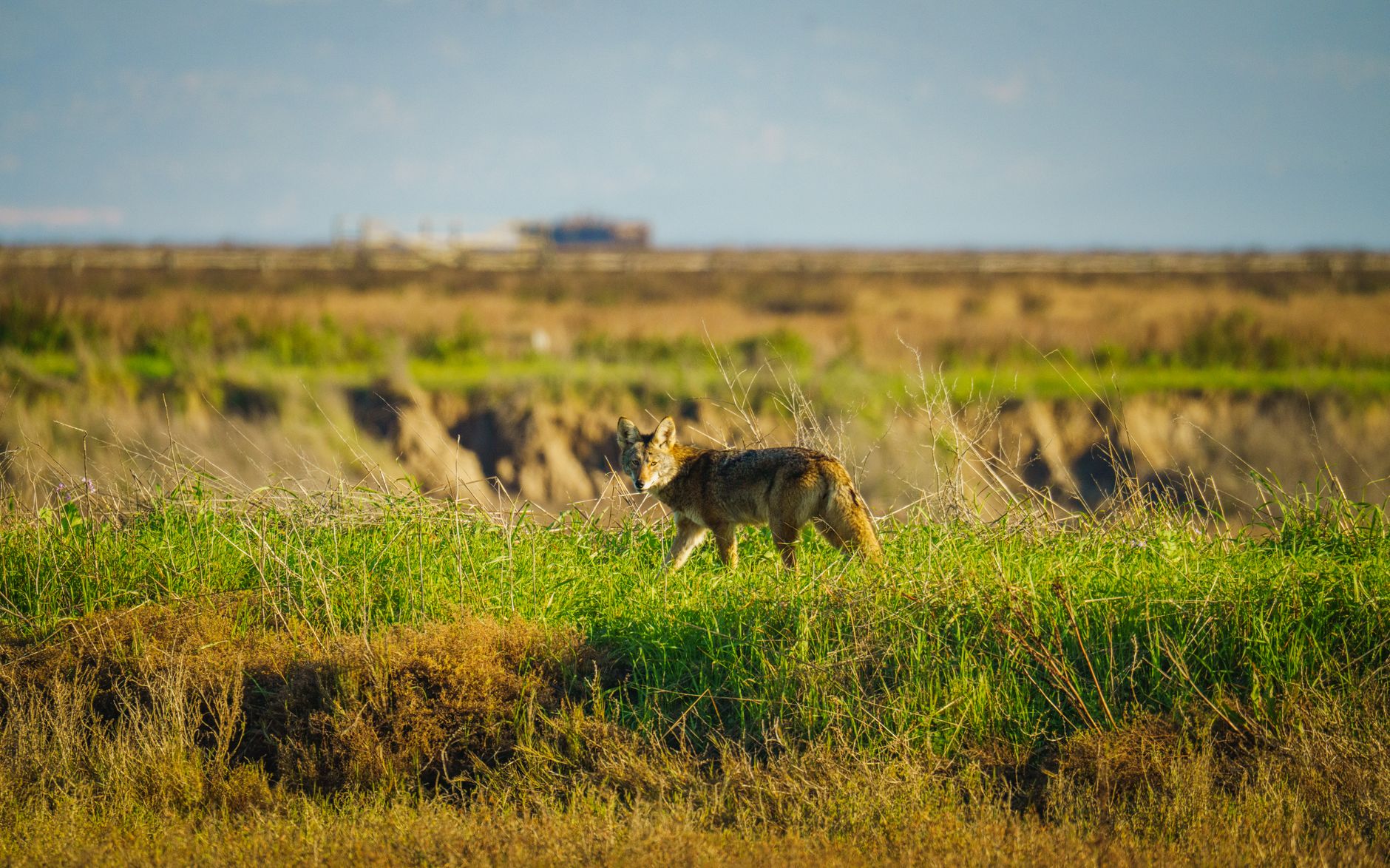
What are Coyote Hides Worth?
The worth of coyote hides fluctuates dramatically based on factors like pelt quality, fur density, location of harvest, and current market demand, making it difficult to give a single figure; generally, a prime coyote pelt can fetch anywhere from $20 to $150 or more, but lower-quality hides may be worth considerably less.

Understanding the Coyote Hide Market
The value of a coyote hide is a complex interplay of supply, demand, and quality assessment. Unlike stable commodities, the fur market is subject to fashion trends, global economic conditions, and the perceived value of wild fur versus farm-raised fur. To understand what are coyote hides worth, it’s important to delve into the specifics.

What colours are fish most attracted to?
Can you put your finger in a trout's mouth?
Is methylene blue anti bacterial?
Does aquarium salt raise pH in aquarium?
Factors Influencing Coyote Hide Value

Several key factors dictate the price a trapper or hunter will receive for a coyote pelt. Understanding these factors is crucial for maximizing profits.
- Fur Quality: This is paramount. Thick, dense fur with good color and a silky texture commands the highest prices.
- Size: Larger hides generally fetch more than smaller ones.
- Color: Prime pelts usually have a desirable color. The “western” coyotes often have a higher value.
- Damage: Tears, cuts, mange, or poor handling significantly reduce value.
- Harvest Location: Coyotes from colder climates (e.g., northern US and Canada) typically have denser fur and are more valuable.
- Market Demand: Fashion trends drive the market. A strong demand for coyote fur boosts prices.
- Fur Handling and Preparation: Proper skinning, fleshing, and stretching are essential. Poorly prepared hides are penalized.
Regional Variations
The geographical origin of the coyote significantly impacts its pelt’s value. Coyotes from colder regions, particularly the northern United States and Canada, tend to have denser, thicker fur due to the harsh climate. This superior fur quality translates to higher prices at auction or to fur buyers.
Market Fluctuations
The fur market is subject to considerable volatility. Fashion trends, economic downturns, and even shifts in public opinion can dramatically impact demand. What are coyote hides worth one year may be drastically different the next. Staying informed about current market conditions is essential for anyone involved in harvesting or selling coyote pelts. Subscribing to industry newsletters, attending fur auctions, and networking with other trappers and buyers are effective ways to stay abreast of these changes.
The Importance of Proper Hide Preparation
Even a coyote with excellent fur can be devalued if the hide is not properly prepared. The process involves:
- Skinning: Removing the pelt carefully to avoid cuts or tears.
- Fleshing: Removing excess fat and tissue from the hide.
- Stretching: Stretching the hide on a frame to dry properly and maintain its shape.
- Drying: Drying the hide in a cool, dry, and well-ventilated area.
Neglecting any of these steps can lead to hide damage and reduced value.
Selling Your Coyote Hides
There are several avenues for selling coyote hides:
- Fur Auctions: These events offer a competitive market where buyers bid on pelts. This is often where the highest prices are realized.
- Fur Buyers: Local or regional fur buyers purchase pelts directly from trappers and hunters.
- Online Marketplaces: Platforms like eBay or specialized fur trading websites provide a direct-to-consumer option.
- Tanneries: Some tanneries will purchase raw hides for processing.
Choosing the best option depends on the quantity and quality of hides, desired speed of sale, and willingness to handle marketing and shipping.
| Selling Method | Advantages | Disadvantages |
|---|---|---|
| Fur Auctions | Potential for high prices, competitive bidding | Commission fees, travel expenses |
| Fur Buyers | Convenient, quick sale | Lower prices than auctions, less price control |
| Online Marketplaces | Direct-to-consumer, price control | Marketing effort required, shipping complexities |
| Tanneries | Potential for bulk sales, consistent demand | Lower prices, specific hide requirements |
Ethical Considerations
Responsible trapping and hunting practices are paramount. This includes adhering to all local and federal regulations, using humane trapping methods, and ensuring proper handling of the harvested animal. Ethical and sustainable practices contribute to the long-term health of coyote populations and the reputation of the fur trade.
Common Mistakes
- Improper Skinning: Cuts and tears significantly reduce hide value.
- Inadequate Fleshing: Remaining fat can cause spoilage and odor.
- Incorrect Stretching: Improper stretching can distort the hide’s shape.
- Insufficient Drying: Damp hides are prone to rot.
- Poor Storage: Storing hides in damp or infested areas can lead to damage.
Frequently Asked Questions (FAQs)
What is the highest price ever paid for a coyote hide?
While specific records for individual coyote hides are not always publicly available, exceptional prime hides from regions known for superior fur density have been known to fetch upwards of $200 or even $250 at auction during periods of high demand.
How does fur density affect the price of a coyote hide?
Fur density is directly correlated to the insulation quality of the pelt, which makes it a highly desirable characteristic for garment manufacturing. Denser fur provides superior warmth and durability, commanding a higher price.
What role do fashion trends play in determining the value?
Fashion trends are a major driver of demand in the fur market. If coyote fur is featured prominently in high-fashion designs, demand (and prices) will rise significantly. Conversely, if other materials are favored, demand decreases.
What makes a coyote hide from the Western United States more valuable?
Coyotes from the Western United States, particularly those in higher elevations, often possess a unique color variation and fur texture highly sought after by buyers. This coloration can sometimes fetch a premium.
How can I properly store coyote hides to prevent damage?
Coyote hides should be stored in a cool, dry, and well-ventilated area away from direct sunlight and pests. Consider using mothballs or cedar chips to deter insects. Ensure hides are completely dry before storage.
Are there any specific regulations I need to be aware of when selling coyote hides?
Yes, you must comply with all federal, state, and local regulations regarding trapping, hunting, and the sale of wildlife products. These regulations can vary significantly by location. Check with your local Department of Natural Resources.
What tools are necessary for proper coyote hide preparation?
Essential tools include a sharp skinning knife, a fleshing beam or board, a fleshing knife, and a stretching frame. Proper sharpening and maintenance of these tools is critical.
How long does it take to properly dry a coyote hide?
Drying time varies depending on humidity and temperature, but generally, it takes 5-10 days for a properly stretched coyote hide to dry completely.
Can I sell coyote hides to taxidermists?
Yes, taxidermists are often interested in purchasing coyote hides, especially those with unique markings or exceptional condition. However, taxidermists typically have very specific requirements.
What are the ethical considerations involved in coyote trapping and hunting?
Ethical considerations include using humane trapping methods, adhering to all regulations, minimizing animal suffering, and ensuring sustainable harvesting practices. Support wildlife conservation efforts.
How do I find reputable fur buyers in my area?
Contact your local trappers’ association, Department of Natural Resources, or online hunting forums for recommendations of reputable fur buyers in your region. Always check references and ensure fair pricing.
Is there a difference in price between male and female coyote hides?
Generally, male coyote hides tend to be slightly larger than female hides, potentially resulting in a higher price. However, fur quality and density are the primary factors influencing value, regardless of sex.