
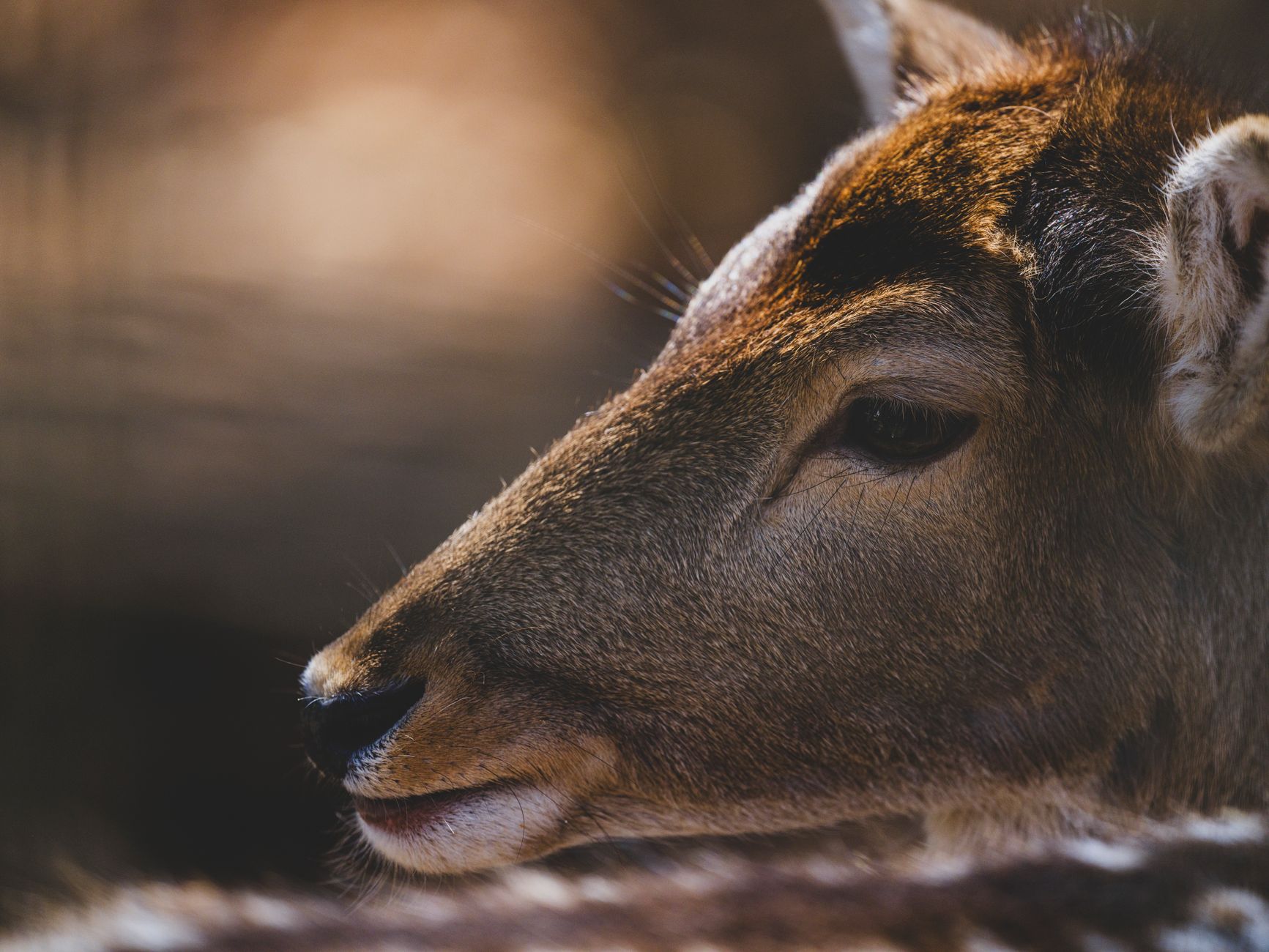
Why Did Deer Almost Go Extinct?: A Near-Miss for North American Wildlife
The near-extinction of deer populations in North America was primarily due to unregulated hunting and widespread habitat loss, leading to a dramatic decline that necessitated significant conservation efforts.

A Shadow Over the Forests: The Deer’s Decline
The sight of a white-tailed deer gracefully bounding through the forest is commonplace today, a symbol of North American wilderness. However, this wasn’t always the case. In the late 19th and early 20th centuries, deer populations plummeted to alarmingly low levels, teetering on the brink of extinction. Why did deer almost go extinct? The answer lies in a perfect storm of unchecked exploitation and environmental change. The story of the deer’s near demise serves as a stark reminder of humanity’s impact on wildlife and the power of conservation.

What colours are fish most attracted to?
Can you put your finger in a trout's mouth?
Is methylene blue anti bacterial?
Does aquarium salt raise pH in aquarium?
Unregulated Hunting: A Relentless Threat

Before the implementation of robust wildlife management policies, hunting practices were largely unregulated. This meant:
- No bag limits: Hunters could harvest as many deer as they could find.
- Year-round hunting seasons: Deer were hunted during all stages of their life cycle, including the crucial breeding season.
- Market hunting: Deer were hunted commercially for meat, hides, and other products, leading to mass slaughter.
This intense hunting pressure decimated deer populations. Why did deer almost go extinct? Quite simply, humans were killing them faster than they could reproduce. The insatiable demand for venison and deer hides fueled the unsustainable harvest.
Habitat Loss: Shrinking the Deer’s World
Parallel to the hunting pressure, deer were also facing significant habitat loss. The expansion of human settlements, agriculture, and logging operations fragmented and destroyed their natural habitats. This meant:
- Reduced food sources: Deer lost access to crucial food sources, like acorns, berries, and browse.
- Limited shelter: Loss of forests and thickets reduced the deer’s ability to escape predators and harsh weather.
- Increased competition: As habitats shrunk, deer were forced into smaller areas, increasing competition for resources and vulnerability to disease.
The combined effect of habitat loss and hunting created a dire situation for deer populations.
The Low Point: Population Estimates
By the early 1900s, deer populations in some areas had dwindled to critically low numbers. It’s estimated that the white-tailed deer population in the United States had dropped to as few as 500,000 animals. This dramatic decline sparked widespread concern and spurred the development of conservation efforts. Why did deer almost go extinct? The severity of population decline became painfully evident, highlighting the urgent need for intervention.
The Road to Recovery: Conservation Efforts
The near-extinction of deer served as a wake-up call, leading to significant changes in wildlife management and conservation practices. Some key strategies included:
- Establishment of Hunting Regulations: Stringent hunting regulations were implemented, including bag limits, hunting seasons, and restrictions on hunting methods.
- Habitat Restoration: Efforts were made to restore and protect deer habitats, including reforestation projects and the creation of wildlife refuges.
- Predator Control: In some areas, predator control programs were implemented to reduce the impact of predators on deer populations (although this strategy is now viewed with more nuance and caution due to its impact on ecosystem balance).
- Translocation Programs: Deer were captured and relocated from areas with healthy populations to areas where they were scarce.
These conservation efforts proved remarkably successful. Over the course of the 20th century, deer populations rebounded dramatically, demonstrating the power of effective wildlife management.
Lessons Learned: A Call to Action
The story of the deer’s near-extinction holds valuable lessons for conservation today. It highlights the importance of:
- Sustainable resource management: Resources need to be managed in a way that ensures their long-term availability.
- Habitat preservation: Protecting and restoring habitats is crucial for maintaining biodiversity.
- Adaptive management: Wildlife management strategies need to be flexible and adaptable to changing environmental conditions.
The successful recovery of deer populations stands as a testament to the effectiveness of conservation efforts. It serves as a reminder that even species on the brink of extinction can be brought back from the brink with dedicated effort and sound management practices. Understanding why did deer almost go extinct? allows us to better prevent similar crises in the future.
Frequently Asked Questions
Why were deer hides so valuable in the past?
Deer hides were highly valued for their durability, versatility, and suppleness. They were used to make clothing, footwear, bags, and other essential items. The high demand for deer hides fueled intensive hunting and contributed significantly to the decline of deer populations. Its strength and availability made it a staple resource.
What role did market hunting play in the deer’s decline?
Market hunting, or the commercial hunting of deer for sale, played a crucial role in the near-extinction. Market hunters would often kill large numbers of deer to sell their meat and hides, driven solely by profit without regard for sustainability. This commercial exploitation decimated local populations.
How did the lack of regulations affect deer populations?
The absence of hunting regulations meant there were no limits on the number of deer that could be killed or when they could be hunted. This unrestricted hunting pressure, combined with habitat loss, led to a rapid decline in deer populations. Absence of rules opened doors to mass exploitation.
What is habitat fragmentation, and how does it impact deer?
Habitat fragmentation occurs when large, continuous habitats are broken up into smaller, isolated patches. This fragmentation reduces the availability of food, shelter, and breeding grounds for deer, making them more vulnerable to predators and disease. It isolates populations and limits resource access.
Were all deer species affected equally by the population decline?
While white-tailed deer were particularly affected, other deer species like mule deer and elk also experienced significant population declines due to overhunting and habitat loss. The severity of the decline varied depending on location and species-specific factors. All deer populations experienced strain, but species responses varied.
How did the establishment of wildlife refuges help deer populations recover?
Wildlife refuges provided safe havens for deer where hunting was prohibited or strictly regulated. These refuges allowed deer populations to recover and expand, serving as source populations for repopulating other areas. These sanctuaries provided critical respite and breeding grounds.
What role did translocation programs play in the deer’s recovery?
Translocation programs involved capturing deer from areas with healthy populations and moving them to areas where they were scarce. This helped to re-establish deer populations in areas where they had been depleted or eliminated. This allowed repopulation of depleted areas using existing stock.
What are some of the challenges facing deer populations today?
Despite their recovery, deer populations still face challenges, including habitat loss due to urbanization and development, climate change, vehicle collisions, and disease outbreaks like Chronic Wasting Disease (CWD). Continued monitoring and management are essential.
How does climate change affect deer populations?
Climate change can alter deer habitats, affecting the availability of food and water. Changes in temperature and precipitation patterns can also increase the risk of disease outbreaks and alter deer behavior and migration patterns. These environmental shifts can disrupt established ecological balances.
What is Chronic Wasting Disease (CWD), and why is it a concern?
CWD is a fatal neurological disease that affects deer, elk, and moose. It is highly contagious and can spread through direct contact or contaminated environments. CWD poses a significant threat to deer populations and is a major concern for wildlife managers. It presents a long-term threat to deer health and population stability.
How can individuals contribute to deer conservation efforts?
Individuals can support deer conservation efforts by donating to conservation organizations, advocating for responsible land management practices, avoiding feeding deer (which can contribute to disease spread), and practicing safe driving habits to reduce vehicle collisions. Collective action can make a significant difference.
Why is understanding the history of deer populations important for current conservation efforts?
Understanding why did deer almost go extinct? provides valuable insights into the factors that can threaten wildlife populations. This knowledge helps inform current conservation strategies and prevent future population declines. By learning from past mistakes, we can better protect deer and other wildlife for future generations. Historical context informs contemporary management and conservation.