
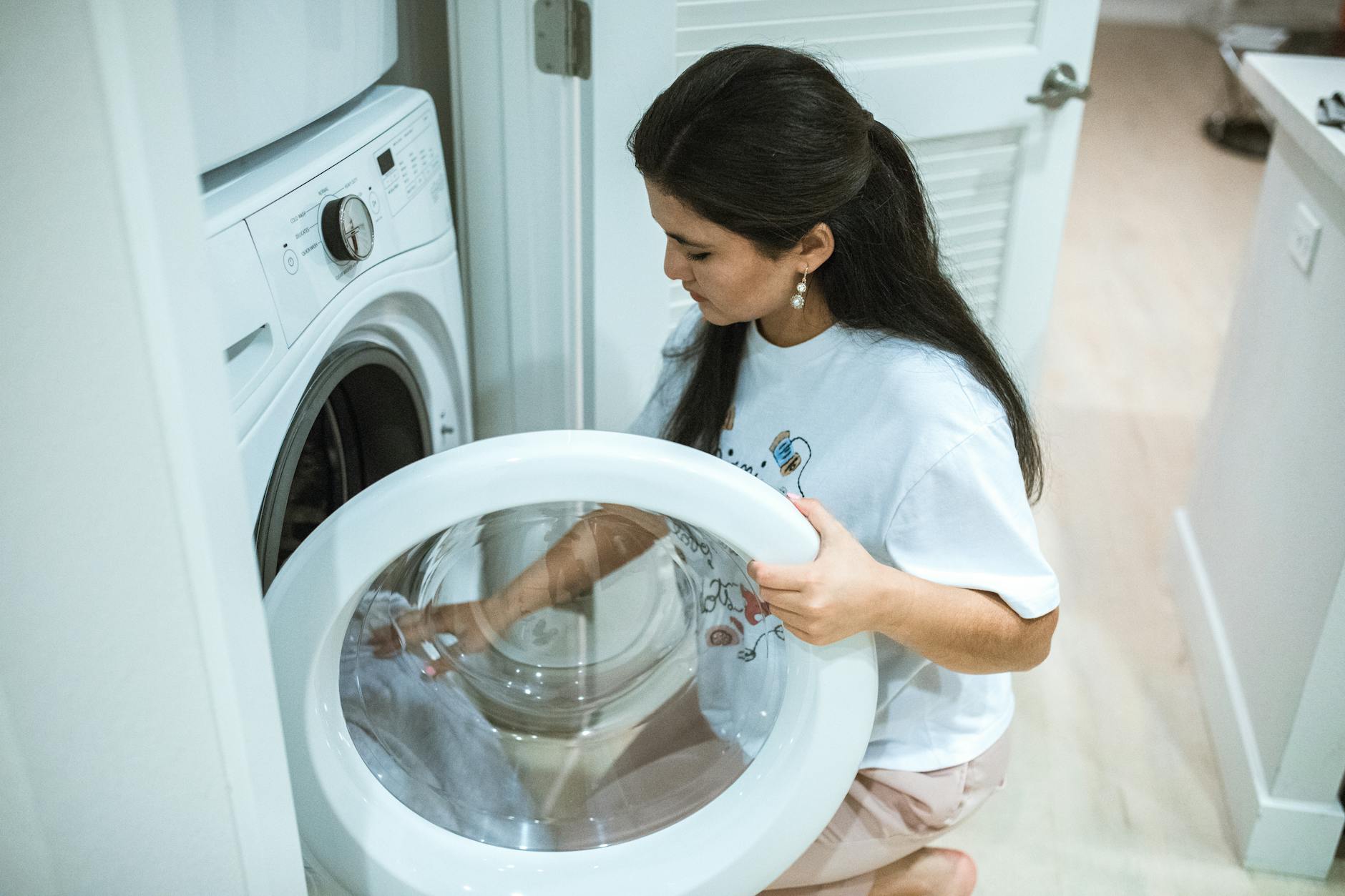
Why Are My Loads Small? Understanding Laundry Load Size and Optimization
Why are my loads small? The answer often lies in a combination of machine capacity, fabric types, and a desire to avoid overcrowding, leading to cleaner, more efficient laundry cycles.

Laundering clothes is a necessary chore, but understanding how to do it effectively can save time, energy, and money. A common question among homeowners is, “Why are my loads small?” Several factors can influence the size of your laundry loads. From protecting your garments to maximizing your washing machine’s efficiency, smaller loads are sometimes the best approach. This article will delve into the reasons behind opting for smaller loads, the advantages they offer, and how to strike the right balance between load size and cleaning effectiveness.
The Realities of Washer Capacity
One of the primary reasons for smaller loads is the physical capacity of your washing machine. Manufacturers often state a maximum load capacity, but this doesn’t mean you should consistently fill the drum to that limit. A fully packed machine doesn’t allow clothes to move freely, hindering the cleaning process and potentially damaging the fabrics.
What colours are fish most attracted to?
Can you put your finger in a trout's mouth?
Is methylene blue anti bacterial?
Does aquarium salt raise pH in aquarium?
Fabric Type Considerations

Different fabrics require different levels of care. Delicate items like lingerie or silk garments are best washed in smaller loads to minimize friction and prevent damage. Similarly, heavy items like towels or bedding can create imbalances in the washing machine if combined with lighter items. Separating laundry by fabric type and washing each type in a suitable load size will yield better results and prolong the lifespan of your clothes.
The Overcrowding Problem
Overcrowding a washing machine has several detrimental effects:
-
Reduced Cleaning Effectiveness: Clothes need space to move and agitate for proper cleaning. A tightly packed drum prevents this movement, leaving some areas untouched by the detergent.
-
Detergent Distribution Issues: In an overcrowded machine, detergent may not dissolve properly or distribute evenly, leading to residue on clothes and potentially causing skin irritation.
-
Potential Damage to Clothes and Machine: Excessive weight in the drum can strain the motor and other components of the washing machine, potentially leading to breakdowns. Furthermore, clothes can become stretched, tangled, or damaged due to the lack of space.
Benefits of Smaller Loads
While it might seem counterintuitive, washing smaller loads can offer several advantages:
-
Thorough Cleaning: Clothes have more room to move and interact with the detergent, resulting in a more effective wash.
-
Reduced Wear and Tear: Less friction between garments minimizes wear and tear, extending the life of your clothes.
-
Better Detergent Distribution: Detergent dissolves and distributes more evenly, ensuring all items are properly cleaned.
-
Preservation of Fabric Quality: Delicate fabrics are less likely to be damaged in smaller, gentler cycles.
Striking the Right Balance
The ideal load size depends on several factors, including the size of your washing machine, the type of fabric, and the level of soiling. As a general guideline:
- Small Load: Fills about 1/3 of the drum. Ideal for delicates, heavily soiled items, or small batches of similar colors.
- Medium Load: Fills about 1/2 to 2/3 of the drum. Suitable for most everyday laundry items.
- Large Load: Fills about 3/4 of the drum. Best for bulky items like bedding or towels, but only if your machine is designed for it. Always check the manufacturer’s recommendations.
When to consider larger loads:
- You have multiple items of the same fabric.
- Items are lightly soiled.
- Your machine is designed for bigger loads (check specifications).
Table: Load Size Recommendations
| Load Size | Drum Capacity Filled | Ideal For | Benefits |
|---|---|---|---|
| Small | 1/3 | Delicates, Heavily Soiled, Small Batches | Thorough cleaning, reduced wear, better detergent distribution, fabric preservation |
| Medium | 1/2 – 2/3 | Everyday Laundry Items | Good balance of cleaning effectiveness and efficiency |
| Large | 3/4 | Bulky Items (Bedding, Towels) – If machine allows | Efficient for specific loads, reduces the number of loads |
Key Indicators that loads are too large:
- Clothes come out still dirty.
- Excessive suds or detergent residue.
- The washing machine struggles or makes unusual noises.
- Clothes are tangled or stretched after washing.
Practical Tips for Laundry Optimization
- Read the Care Labels: Follow the manufacturer’s instructions on clothing care labels.
- Sort Laundry Properly: Separate whites, colors, and delicates.
- Use the Right Detergent: Choose a detergent formulated for your washing machine type and water hardness.
- Don’t Overdo the Detergent: Too much detergent can leave residue on clothes and damage your machine.
- Regular Machine Maintenance: Clean your washing machine regularly to remove buildup and ensure optimal performance.
FAQ: Why are my loads small and taking so long to finish all my laundry?
The need for smaller loads, while beneficial for garment care and cleaning effectiveness, can understandably extend the overall laundry time. To combat this, consider investing in a high-efficiency washing machine designed for larger capacities, while still adhering to optimal load sizes for specific fabric types and soil levels. Strategic planning, such as dedicating specific days to laundry or prioritizing essential items, can also help manage the increased frequency.
FAQ: Can I combine different fabric types in a small load?
While separating fabrics is generally recommended, there are instances where combining them in a small load is acceptable. For example, durable cotton items can be washed together, but always avoid mixing delicates with heavier items. Always prioritize garment care labels and adjust water temperature and cycle settings accordingly.
FAQ: What happens if I consistently overload my washing machine?
Consistently overloading your washing machine can lead to poor cleaning performance, premature wear and tear on both the machine and your clothes, and potential mechanical breakdowns. The motor strains, the drum can become unbalanced, and clothes don’t get properly cleaned due to insufficient space for agitation and detergent distribution.
FAQ: Is it better to have two small loads or one large load?
Generally, two small loads are preferable to one overloaded large load, especially when dealing with mixed fabrics or varying levels of soiling. Smaller loads allow for better cleaning and reduce the risk of damage. However, for similar items that are lightly soiled, a properly sized, not overloaded, large load can be more efficient.
FAQ: How do I know if my washing machine is overloaded?
A clear sign of an overloaded washing machine is that the clothes are tightly packed in the drum with little to no room for movement. Other indicators include the machine struggling or making unusual noises, excessive suds or detergent residue, and clothes coming out still dirty or tangled.
FAQ: Does detergent type affect load size?
While the type of detergent itself doesn’t directly dictate load size, high-efficiency (HE) detergents are designed for use in HE washing machines, which often have larger capacities. Using the correct amount of detergent for the load size is crucial to prevent residue and ensure proper cleaning.
FAQ: How often should I wash smaller loads?
The frequency of washing smaller loads depends on your lifestyle and clothing needs. Individuals who wear delicate fabrics or have heavily soiled clothes may need to wash smaller loads more often. Conversely, those with primarily everyday cotton items can opt for larger loads less frequently, provided they are not overloading the machine.
FAQ: Can small loads damage my washing machine?
Small loads, in themselves, are unlikely to damage your washing machine. However, washing extremely small loads too frequently can waste water and energy. It’s important to find a balance between load size and efficiency to minimize resource consumption.
FAQ: My washing machine is small. Should I always do small loads?
If you have a small washing machine, sticking to smaller loads is generally advisable to avoid overloading and ensure effective cleaning. Refer to your machine’s manual for specific load size recommendations.
FAQ: Are there alternatives to doing small loads?
If you want to avoid frequent small loads, consider investing in a larger capacity washing machine or utilizing laundromat services for bulky items like bedding. Properly sorting and pretreating clothes can also help consolidate loads.
FAQ: How does water level impact my load size?
The water level should correspond to the load size. Too little water can result in inadequate cleaning, while too much water can dilute the detergent. Many modern washing machines have automatic water level adjustments, but older machines may require manual settings. Always select the appropriate water level based on the load size to ensure optimal results.
FAQ: Why are my loads small even when I use the “bulky” or “large load” setting?
Even with the “bulky” or “large load” setting, it’s possible your loads are still small because you might be underfilling the drum even with larger items, or the items themselves don’t expand to fill the space. To maximize the use of these settings, ensure you’re loading items that genuinely fill the drum appropriately, such as multiple blankets or a significant quantity of towels.