

Why Can’t Pregnant Women Go Near Sheep?: Understanding the Risks
Protecting your unborn child is paramount. Pregnant women should avoid contact with sheep, particularly during lambing season, due to the risk of contracting diseases that can cause serious complications, including miscarriage and stillbirth.

Introduction: The Hidden Dangers of Sheep During Pregnancy
For expectant mothers, navigating the complexities of pregnancy often involves a long list of dos and don’ts. While some advice might seem old wives’ tales, other recommendations are rooted in sound medical reasoning. One such directive is the caution against pregnant women coming into close contact with sheep, especially during lambing season. This isn’t simply folklore; it’s a crucial piece of advice based on the potential transmission of zoonotic diseases – diseases that can spread from animals to humans.

What colours are fish most attracted to?
Can you put your finger in a trout's mouth?
Is methylene blue anti bacterial?
Does aquarium salt raise pH in aquarium?
Understanding the Diseases: The Root of the Concern
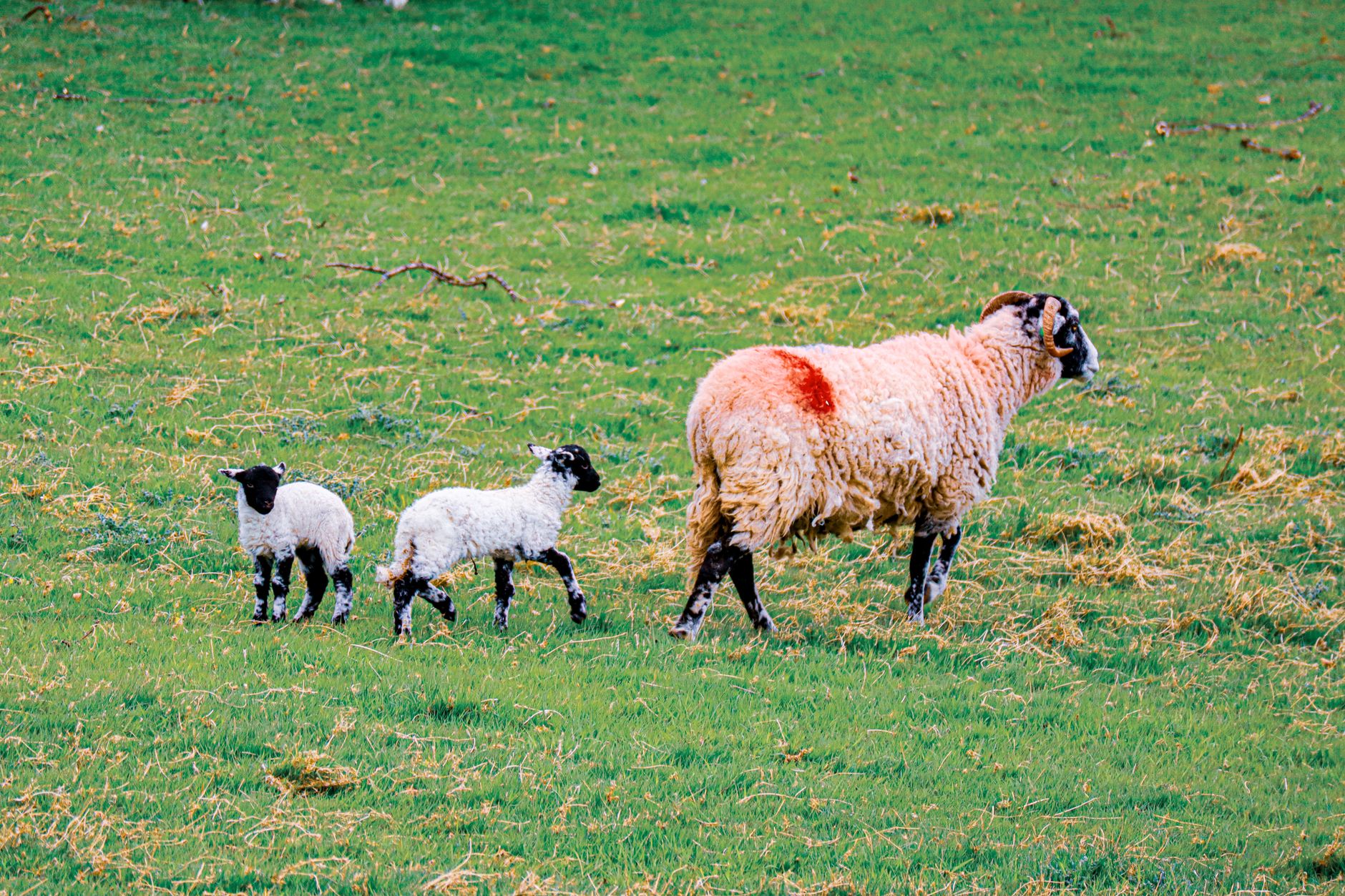
Why can’t you go near sheep when pregnant? The primary reason revolves around several infectious diseases commonly found in sheep, particularly during lambing. These diseases, while relatively harmless to sheep, can have devastating consequences for a developing fetus.
- Enzootic Abortion of Ewes (EAE): Caused by Chlamydia abortus, EAE is a significant cause of abortion in sheep. If contracted by a pregnant woman, it can lead to miscarriage, premature labor, or stillbirth.
- Toxoplasmosis: This parasitic disease, caused by Toxoplasma gondii, is often associated with cats, but sheep can also carry the parasite. While many people are exposed to toxoplasmosis without experiencing symptoms, infection during pregnancy can cause serious birth defects or miscarriage.
- Q Fever: A bacterial infection caused by Coxiella burnetii, Q fever can be transmitted through contact with infected animals or their birthing fluids. In pregnant women, Q fever can lead to miscarriage, premature labor, or low birth weight.
- Listeria: While less directly sheep-related, Listeria bacteria can be present in the environment and can contaminate food sources, including unpasteurized dairy products potentially produced from sheep. Infection during pregnancy can lead to severe health issues for the baby.
The Lambing Season Risk
The risk is significantly higher during lambing season (typically spring), as the concentration of these pathogens is elevated in the birthing fluids, placental tissues, and newborn lambs. Even seemingly healthy sheep can carry and shed these organisms. Contact, even indirect, such as touching contaminated surfaces or inhaling airborne particles, can pose a risk.
Practical Precautions: Protecting Yourself
If you are pregnant or planning to become pregnant, avoiding contact with sheep, particularly during lambing season, is strongly advised. If avoiding contact is impossible (for example, if you live or work on a farm), then stringent hygiene measures are essential:
- Wear protective clothing: Including gloves, boots, and overalls.
- Practice meticulous hand hygiene: Wash your hands thoroughly with soap and water after any potential contact with sheep or their environment.
- Avoid contact with birthing fluids and placental tissues.
- Consult with your doctor: Inform your healthcare provider about your potential exposure to sheep so they can advise you on appropriate monitoring and preventative measures.
- Ensure proper ventilation: In areas where sheep are kept.
- Pasteurize Dairy Products: Ensure all sheep dairy products are pasteurized to kill potential Listeria bacteria.
Understanding the Broader Context
Why can’t you go near sheep when pregnant? It’s important to understand this recommendation is a precautionary measure designed to minimize risk. The likelihood of contracting these diseases from sheep is relatively low, but the potential consequences are severe enough to warrant caution. Moreover, awareness and preventative measures are key to protecting both the mother and the unborn child.
Frequently Asked Questions (FAQs)
What specific types of contact should pregnant women avoid with sheep?
Any direct or indirect contact should be minimized. This includes petting sheep, handling lambs, being present during lambing, touching fences or surfaces potentially contaminated with sheep feces or birthing fluids, and even consuming unpasteurized sheep’s milk or cheese. The aim is to eliminate any opportunity for pathogens to enter the body.
If I live on a farm with sheep, can I still be involved in farm activities during pregnancy?
Ideally, pregnant women should delegate sheep-related tasks to others, especially during lambing season. If involvement is unavoidable, wear protective clothing, practice strict hand hygiene, and avoid direct contact with birthing fluids and placental tissues. Consult your doctor to discuss potential risks and appropriate monitoring.
What are the symptoms of EAE, toxoplasmosis, and Q fever in humans?
Symptoms can vary widely. EAE and Q fever often present with flu-like symptoms such as fever, fatigue, muscle aches, and headache. Toxoplasmosis is often asymptomatic, but in some cases, it can cause flu-like symptoms, swollen lymph nodes, and vision problems. If you experience any of these symptoms and have been in contact with sheep, seek medical attention immediately.
How are these diseases diagnosed in pregnant women?
Diagnosis typically involves blood tests to detect antibodies to the specific pathogens. In some cases, additional tests may be necessary to assess the health of the fetus. Early diagnosis is crucial for timely treatment and management.
Is there any treatment available for these diseases if contracted during pregnancy?
Treatment options vary depending on the specific disease and the gestational stage. Antibiotics may be effective for EAE and Q fever. Treatment for toxoplasmosis depends on the stage of pregnancy. Prompt medical attention is crucial to optimize outcomes.
Are all sheep farms equally risky?
The risk can vary depending on factors such as the prevalence of disease in the flock, the hygiene practices on the farm, and the specific breed of sheep. Farms with poor biosecurity measures may pose a higher risk.
Is it safe to eat lamb or mutton during pregnancy?
Yes, thoroughly cooked lamb and mutton are generally safe to consume during pregnancy. The cooking process kills any harmful bacteria or parasites. However, avoid raw or undercooked lamb and mutton.
Does the risk only apply during lambing season?
While the risk is significantly higher during lambing season due to the increased shedding of pathogens, the risk is not entirely absent at other times of the year. Pregnant women should maintain caution year-round.
If I own sheep as pets, does this advice still apply?
Yes, the advice still applies. Even pet sheep can carry these diseases. Maintain strict hygiene practices and consult with your veterinarian and doctor about preventative measures.
What is the impact of these diseases on the developing fetus?
The impact can range from miscarriage and stillbirth to premature labor, low birth weight, and serious birth defects. The specific effects depend on the disease, the gestational stage at the time of infection, and the severity of the infection.
Where can I find more information about these diseases and pregnancy?
Consult your doctor or midwife for personalized advice. Reliable sources of information include the Centers for Disease Control and Prevention (CDC), the World Health Organization (WHO), and your local health department.
Why can’t you go near sheep when pregnant if I have had sheep all my life?
While you may have developed some immunity to certain pathogens through prior exposure, pregnancy weakens the immune system, making you more susceptible to infection. Furthermore, the potential impact on the developing fetus is far greater than any personal risk. Even if you have a lifelong connection to sheep, heightened caution is critical during pregnancy.