

Cleaning Dog Tear Stains: A Comprehensive Guide to a Spotless Pup
Yes, you can clean dog tear stains effectively with the right methods and products, but addressing the underlying cause is crucial for long-term success. Discover how to achieve a brighter, healthier look for your furry friend.
Understanding Dog Tear Stains: The Why and How
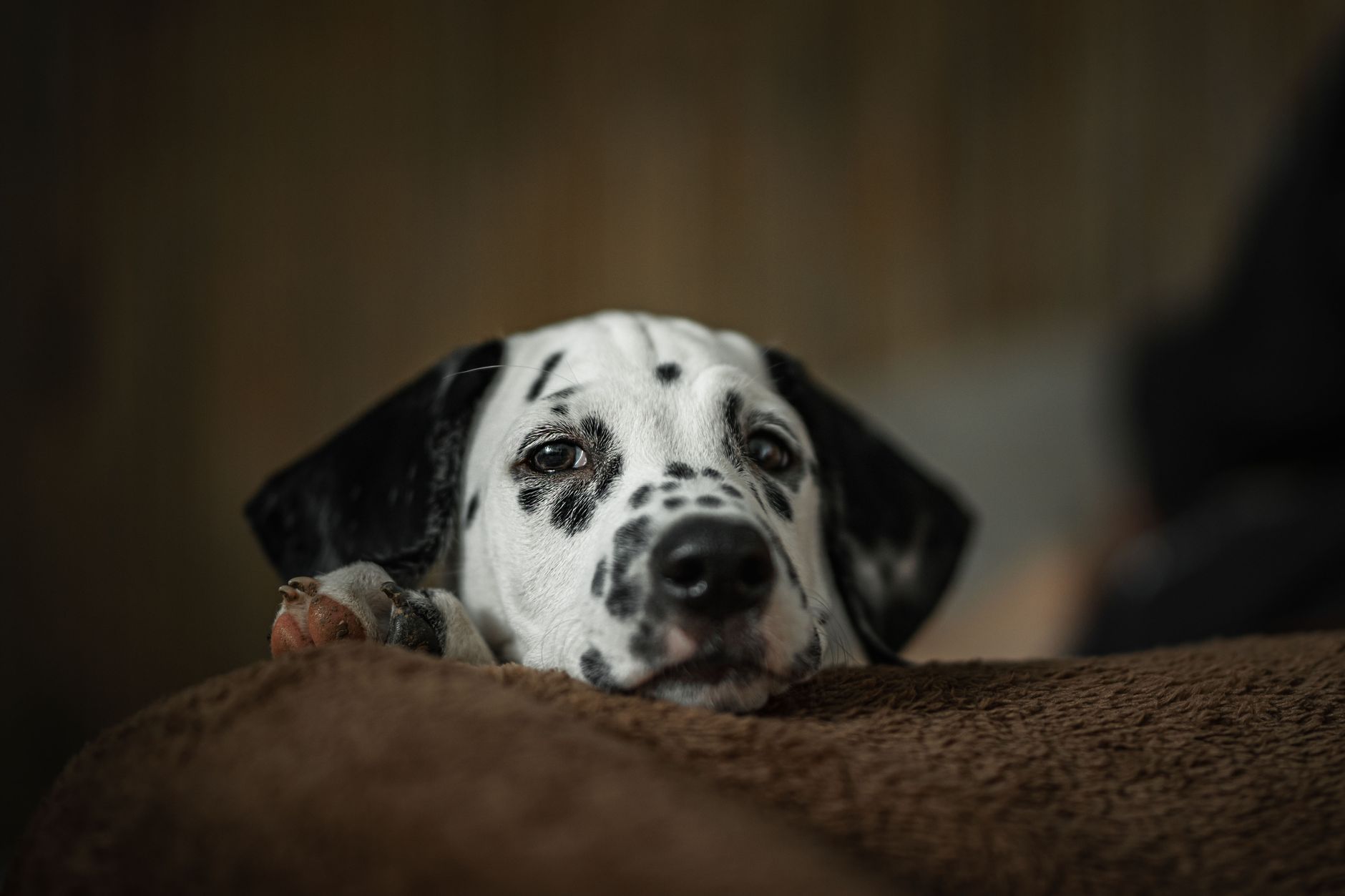
Tear stains, medically known as epiphora, are those unsightly reddish-brown marks that appear under a dog’s eyes. They’re caused by an overproduction or improper drainage of tears, leading to a build-up of moisture that becomes a breeding ground for bacteria and yeast. These microorganisms produce porphyrins, iron-containing molecules that stain the fur. Certain breeds, particularly those with light-colored fur and shallow eye sockets, are more prone to tear stains. Breeds such as Maltese, Shih Tzus, Poodles, and Cocker Spaniels are commonly affected.
Identifying the Root Cause

Before you jump into cleaning, it’s essential to determine why your dog is experiencing excessive tearing. This may require a visit to your veterinarian to rule out underlying health issues. Possible causes include:
- Allergies: Food or environmental allergens can trigger increased tear production.
- Blocked Tear Ducts: Narrow or blocked tear ducts prevent proper drainage.
- Glaucoma: This condition increases intraocular pressure, leading to tearing.
- Conjunctivitis (Pink Eye): Inflammation of the conjunctiva.
- Ingrown Eyelashes (Distichiasis): Hairs that grow in the wrong direction and irritate the eye.
- Diet: Certain foods may contribute to tear staining.
- Infections: Bacterial or fungal infections can cause excessive tearing.
The Cleaning Process: Step-by-Step
Once you’ve addressed any underlying medical issues, you can start cleaning the tear stains. Here’s a suggested approach:
- Gather Your Supplies: You’ll need:
- A soft, clean cloth or cotton pads.
- Warm water or a gentle saline solution.
- A tear stain remover specifically formulated for dogs.
- Small, blunt-nosed scissors (optional, for trimming stained fur).
- Trim the Affected Fur: Gently trim away any heavily stained fur around the eyes using blunt-nosed scissors. Be extremely careful not to poke or cut your dog.
- Cleanse the Area: Moisten a clean cloth or cotton pad with warm water or saline solution. Gently wipe the area under the eyes to remove any debris or discharge.
- Apply Tear Stain Remover: Follow the instructions on your chosen tear stain remover. Typically, this involves applying the solution to a clean cloth or cotton pad and gently dabbing it onto the stained area. Avoid getting the product directly into your dog’s eyes.
- Dry the Area: After applying the tear stain remover, use a clean, dry cloth to gently pat the area dry. Moisture can exacerbate tear staining, so keeping the area dry is crucial.
- Repeat Daily: For optimal results, clean the tear-stained area daily. Consistency is key to preventing the build-up of new stains.
Choosing the Right Tear Stain Remover
There are numerous tear stain removers available on the market. Opt for pet-safe products that are specifically formulated for dogs. Look for ingredients like:
- Boric Acid: Acts as a mild antiseptic and helps to balance the pH of the tear film.
- Colloidal Silver: Possesses antimicrobial properties.
- Herbal Extracts: Some products contain herbal extracts known for their anti-inflammatory and soothing effects.
Important Note: Avoid products containing harsh chemicals, bleach, or hydrogen peroxide, as these can irritate your dog’s eyes and skin. Always consult with your veterinarian before using any new product on your dog.
Preventative Measures: Keeping Stains at Bay
Preventing tear stains is often more effective than simply treating them. Here are some tips:
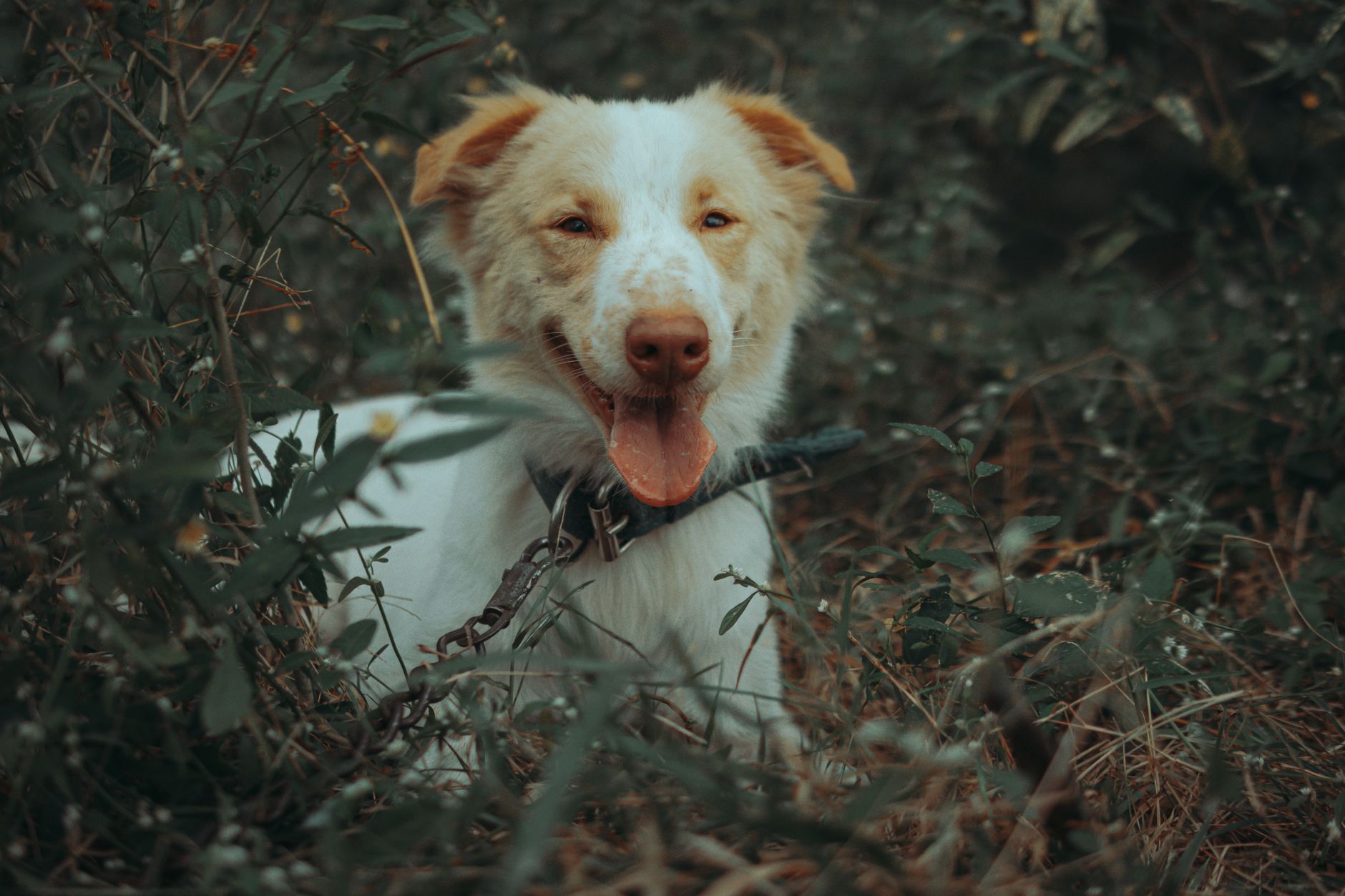
- Regular Grooming: Keep the fur around your dog’s eyes trimmed to prevent moisture from accumulating.
- Clean Water: Provide fresh, filtered water in a stainless steel or ceramic bowl. Plastic bowls can harbor bacteria that contribute to tear staining.
- Dietary Adjustments: Some dogs benefit from a diet change to reduce inflammation and tear production. Consult your veterinarian about the best food options for your dog.
- Eye Exams: Regular veterinary eye exams can help identify and address potential problems early.
- Wipe Daily: Even if you’re not using a tear stain remover, wiping your dog’s eyes daily with a damp cloth can help prevent stain build-up.
Common Mistakes to Avoid
- Using Harsh Chemicals: As mentioned before, avoid products containing bleach, hydrogen peroxide, or other harsh chemicals.
- Getting Product in the Eyes: Be extremely careful not to get any tear stain remover directly into your dog’s eyes.
- Neglecting Underlying Issues: Cleaning the stains will only provide a temporary fix if you don’t address the root cause of the excessive tearing.
- Lack of Consistency: Cleaning the stains sporadically won’t be as effective as regular, consistent cleaning.
Comparison of Common Tear Stain Removal Methods
| Method | Description | Pros | Cons |
|---|---|---|---|
| Warm Water & Clean Cloth | Gently wiping the area with warm water. | Simple, inexpensive, safe. | May not be effective for heavy staining. |
| Saline Solution | Cleaning with a sterile saline solution. | Gentle, helps remove debris. | May not remove existing stains. |
| Commercial Tear Stain Remover | Products specifically designed to remove tear stains. | Often more effective than water alone. | Can be expensive; some products contain harsh chemicals. |
| Colloidal Silver | Products containing colloidal silver, known for its antimicrobial properties. | Natural, potentially effective against bacteria and yeast. | Effectiveness can vary; may not be suitable for all dogs. |
| Dietary Changes | Adjusting the dog’s diet to eliminate potential allergens or irritants. | Can address the root cause of tear staining. | Requires trial and error to identify the right diet; results may take time to appear. |
Frequently Asked Questions (FAQs)
Can I use human eye drops to clean my dog’s tear stains?
No, you should not use human eye drops unless specifically prescribed by your veterinarian. Human eye drops may contain ingredients that are harmful to dogs or may mask an underlying infection. It’s always best to consult with your vet before using any medication on your pet.
How long does it take to see results from tear stain removal?
The time it takes to see results can vary depending on the severity of the stains, the chosen cleaning method, and the underlying cause of the tearing. In general, you may start to see improvement within a few weeks with consistent cleaning and preventative measures.
Are tear stains harmful to my dog?
While tear stains themselves are not usually harmful, the underlying causes of excessive tearing can be. It’s important to rule out any medical conditions that may be contributing to the tear staining. The moisture associated with tear stains can also create a breeding ground for bacteria and yeast, which can lead to skin infections.
What if my dog hates having its face cleaned?
Start by gently acclimating your dog to having its face touched. Use positive reinforcement, such as treats and praise, to make the experience more positive. Keep cleaning sessions short and gradual, and avoid forcing your dog if it becomes stressed or anxious.
Can I use makeup remover wipes on my dog’s tear stains?
No, you should never use makeup remover wipes on your dog. These wipes often contain chemicals and fragrances that can irritate your dog’s eyes and skin. Only use products specifically formulated for pets.
Are there any home remedies for tear stain removal?
Some people suggest using a diluted solution of hydrogen peroxide, but this is not recommended. Hydrogen peroxide can be irritating and harmful to the eyes. There are safer and more effective commercial tear stain removers available.
Can tear stains be completely eliminated?
In some cases, tear stains can be completely eliminated, especially if the underlying cause is addressed and consistent cleaning is maintained. However, in other cases, tear stains may be managed but not completely eradicated, particularly if the dog has chronic tearing due to anatomical factors.
How often should I clean my dog’s tear stains?
Daily cleaning is generally recommended for optimal results. However, you can adjust the frequency based on the severity of the staining and your dog’s individual needs.
What are the ingredients to avoid in tear stain removers?
Avoid products containing harsh chemicals, bleach, hydrogen peroxide, alcohol, and fragrances. Look for gentle, pet-safe ingredients.
Will changing my dog’s food help with tear stains?
In some cases, a food allergy or sensitivity can contribute to tear staining. Switching to a high-quality, hypoallergenic diet may help reduce tear production and staining. Consult with your veterinarian to determine the best diet for your dog.
Are some breeds more prone to tear stains than others?
Yes, certain breeds with light-colored fur and shallow eye sockets, such as Maltese, Shih Tzus, Poodles, and Cocker Spaniels, are more prone to tear stains.
When should I see a veterinarian about my dog’s tear stains?
You should see a veterinarian if your dog’s tear staining is accompanied by other symptoms, such as redness, swelling, discharge, squinting, or rubbing at the eyes. These symptoms could indicate an underlying medical condition that needs to be addressed.