

Why Can’t You Cook Dead Crabs? The Science Behind the Stink
You should never cook a dead crab. The rapid breakdown of flesh leads to toxins and bacteria growth making it unsafe to eat.

Introduction: The Perishable Nature of Crabs
Crabs, like other seafood, are highly perishable. Once they die, enzymatic activity and bacterial proliferation accelerate, leading to rapid decomposition. This decomposition doesn’t just affect the taste and texture; it poses a significant health risk. Understanding why can’t you cook dead crabs? is crucial for food safety and preventing illness. This is especially true for those who enjoy crabbing as a hobby, as it’s important to understand the risks associated with handling these crustaceans.
Is distilled water good for goldfish?
What colours are fish most attracted to?
Can you put your finger in a trout's mouth?
Is methylene blue anti bacterial?
The Breakdown Begins: Enzymatic Activity
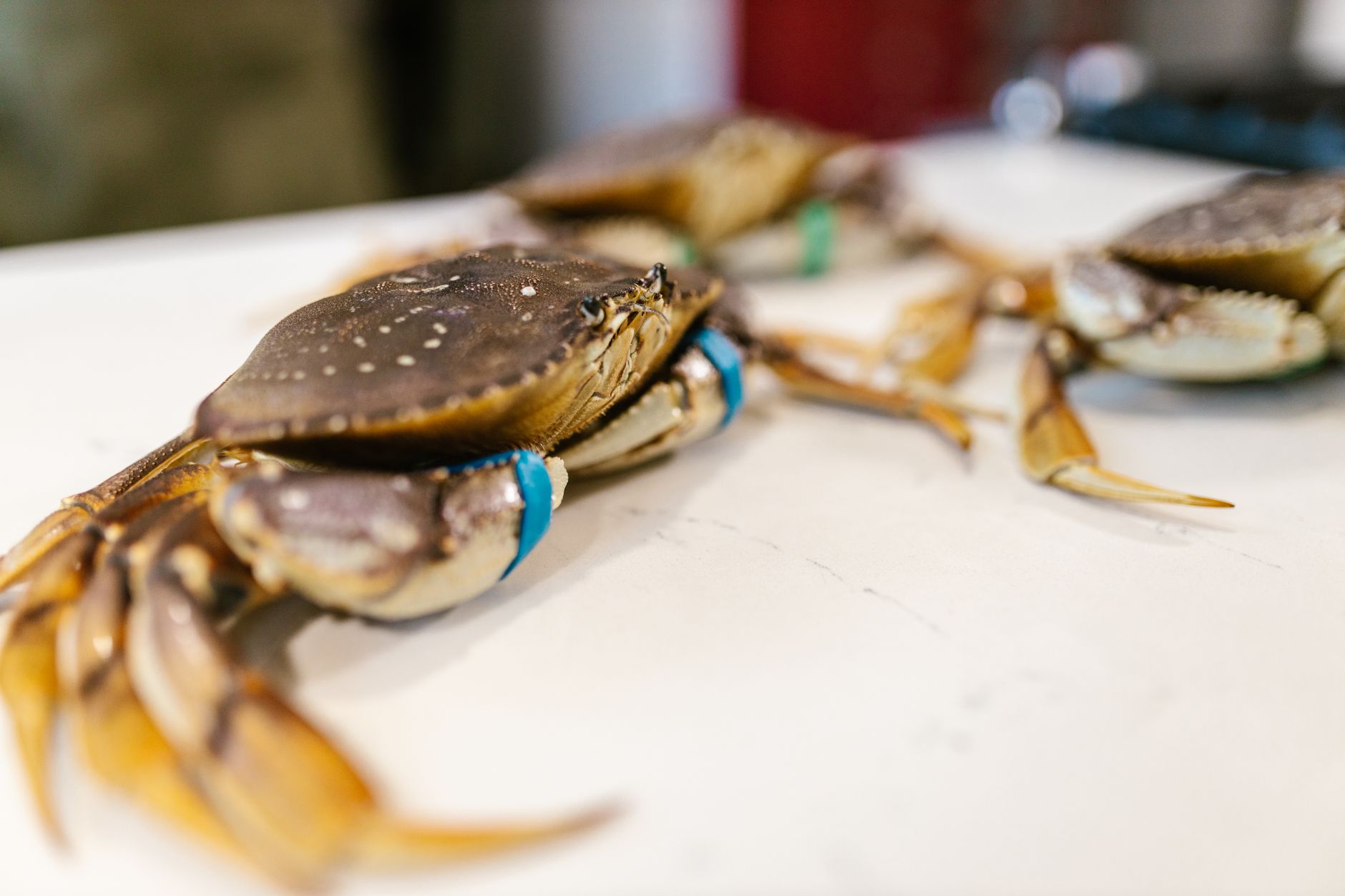
Immediately after a crab dies, enzymes naturally present in its body begin to break down tissues. This process, known as autolysis, degrades proteins and releases volatile compounds. While this happens in all animals after death, it occurs more quickly in seafood due to the presence of psychrophilic bacteria – bacteria that thrive in cold environments. These enzymes and bacteria contribute significantly to the undesirable changes in texture and flavor associated with dead crabs.
Bacteria Take Over: A Race Against Time
Bacteria are the primary culprits in food spoilage. After a crab dies, bacteria multiply exponentially, consuming the tissues and producing waste products that are harmful to humans. Some of these bacteria are naturally present in the crab, while others come from the environment. This bacterial growth is what makes a dead crab potentially dangerous to consume, and answers the critical question of why can’t you cook dead crabs?. The type of bacteria present can vary, but common culprits include Vibrio species, which can cause severe gastrointestinal illness.
The Toxin Threat: Biogenic Amines
The breakdown of proteins by enzymes and bacteria leads to the formation of biogenic amines. These compounds, such as histamine and putrescine, can cause scombroid poisoning, a type of food poisoning characterized by symptoms like skin flushing, headache, nausea, vomiting, and diarrhea. While cooking can kill bacteria, it does not eliminate these pre-formed toxins. This is a key factor in understanding why can’t you cook dead crabs?
Identifying Unsafe Crabs: Signs of Spoilage
It’s critical to be able to identify a crab that has died before cooking. Look for the following signs:
- Offensive Odor: A strong, ammonia-like or rotten smell is a clear indicator.
- Soft or Mushy Texture: The meat should be firm and elastic, not soft or mushy.
- Discoloration: Look for unusual colors, such as gray or green tinges in the meat.
- Lack of Reflexes: A fresh crab will show movement when touched.
Best Practices: Ensuring Safety
To minimize the risk of food poisoning:
- Cook Crabs Alive: This is the safest practice.
- Keep Crabs Cool: Store live crabs in a cool, moist environment.
- Cook Thoroughly: Ensure the internal temperature reaches a safe level to kill bacteria. The USDA recommends an internal temperature of 145°F (63°C).
- Consume Promptly: Eat cooked crabs immediately after cooking or refrigerate promptly.
- Discard Questionable Crabs: When in doubt, throw it out. It’s better to be safe than sorry.
The Impact on Flavor and Texture
Even if a dead crab doesn’t make you sick, the taste and texture will be significantly compromised. The meat will be mushy, watery, and have an unpleasant, ammonia-like flavor. The breakdown of proteins also affects the structure of the meat, making it less appealing to eat.
The Law: Regulations and Guidelines
Many jurisdictions have regulations regarding the sale and handling of seafood, including crabs. These regulations aim to ensure food safety and prevent the sale of spoiled or contaminated products. Consumers should be aware of these regulations and report any suspected violations to the appropriate authorities.
Table: Comparing Live vs. Dead Crabs
| Feature | Live Crab | Dead Crab |
|---|---|---|
| Odor | Fresh, sea-like | Rotten, ammonia-like |
| Texture | Firm, elastic | Soft, mushy |
| Appearance | Bright, vibrant colors | Dull, discolored (gray/green) |
| Health Risk | Low | High |
| Flavor | Sweet, savory | Unpleasant, ammonia-like |
| Eating Quality | Excellent | Poor |
Bullet List: Tips for Buying Fresh Crabs
- Look for active crabs with a healthy shell.
- Check for a strong, sea-like smell. Avoid crabs with any off odors.
- Ensure the crab feels heavy for its size. This indicates a good meat yield.
- Buy from reputable sources.
- Cook as soon as possible after purchase.
Frequently Asked Questions (FAQs)
Why is it more dangerous to eat a dead crab than a dead fish?
Crabs are typically bottom-dwelling creatures and their internal organs and digestive system are more susceptible to accumulating toxins and bacteria that proliferate rapidly after death. Fish may still spoil and pose a risk, but the rate of degradation can be significantly faster in crabs. The fact remains that you should always cook seafood fresh and never attempt to cook dead crabs.
Can you tell if a crab was dead before it was cooked?
Yes, there are several indicators. The cooked meat will likely be mushy and have an unpleasant odor, even after cooking. The texture won’t be firm and the flavor will be noticeably off, often with a strong ammonia-like taste.
What happens if you accidentally eat a crab that was dead before cooking?
You may experience symptoms of food poisoning, such as nausea, vomiting, diarrhea, abdominal cramps, and fever. The severity of the symptoms can vary depending on the level of spoilage and your individual sensitivity. Seek medical attention if your symptoms are severe or persistent.
How long after a crab dies does it become unsafe to eat?
The timeframe is relatively short, especially in warm environments. Generally, a crab should be cooked within 1-2 hours of dying to minimize the risk of spoilage. After this time, the risk of bacterial growth and toxin formation increases significantly.
Can freezing a dead crab prevent it from becoming unsafe?
While freezing slows down bacterial growth and enzymatic activity, it doesn’t stop it completely and it does not eliminate any toxins that may have already formed. Freezing might buy you a little time, but it’s still best to avoid cooking a crab that was dead before freezing.
What are the specific types of bacteria that are most dangerous in dead crabs?
Vibrio species are a common concern, particularly Vibrio vulnificus and Vibrio parahaemolyticus, which can cause severe illness in humans. Clostridium botulinum is another potential threat, as it can produce a potent neurotoxin, though this is less common in crabs.
Does the size of the crab affect how quickly it spoils after death?
Generally, larger crabs may take slightly longer to spoil than smaller crabs because of the lower surface area to volume ratio. However, this difference is marginal, and all dead crabs should be considered potentially dangerous.
What if I caught a crab, and it dies right before I put it in the pot? Is that safe to cook?
If the crab dies immediately before cooking and shows no signs of spoilage (e.g., offensive odor, soft texture), it may be safe to cook. However, it’s crucial to err on the side of caution. If you have any doubts, it’s best to discard it.
How can I keep crabs alive for longer after catching them?
Store crabs in a cool, moist environment, such as a cooler with ice packs. Keep them covered with a damp cloth or burlap sack. Avoid submerging them in fresh water, as this can kill them. Maintain the crabs alive until you are ready to cook them.
Is it safe to eat crab meat from a restaurant if I’m not sure how fresh it is?
Choose reputable restaurants with high standards for food safety. Ask about the crab’s freshness. If you have any concerns, order something else.
Are there any government agencies that regulate the safety of crab meat?
Yes, the FDA (Food and Drug Administration) and state and local health departments regulate the safety of seafood, including crab meat. They establish standards for handling, processing, and labeling to protect consumers from foodborne illnesses.
What are the long-term health consequences of eating spoiled crab meat?
While most cases of food poisoning from spoiled crab meat resolve within a few days, some people may experience long-term health issues, particularly if they have underlying health conditions. In rare cases, severe infections can lead to permanent organ damage or even death. Always prioritize food safety to minimize these risks.