

Why Do I Have a Lump After a Dog Bite? Understanding the Causes and Treatments
A lump after a dog bite is a common occurrence, and the primary reasons are often due to your body’s inflammatory response to the injury, a developing infection, or even a reaction to the dog’s saliva. It’s essential to understand the potential causes and know when to seek medical attention.

Introduction: The Bite Heard ‘Round Your Immune System
Dog bites are a painful reality that can occur regardless of a dog’s breed or perceived temperament. While the immediate pain and puncture wounds are concerning, the appearance of a lump or bump around the bite area afterward is often a source of additional worry. This lump can signify various underlying issues, ranging from a simple inflammatory response to a more serious infection requiring medical intervention. Understanding the potential reasons why do I have a lump after a dog bite? is crucial for timely and appropriate treatment.

Who wins a hyena or wild dog?
What is the best turtle to have as a pet in Australia?
The Inflammatory Response: Your Body’s First Line of Defense
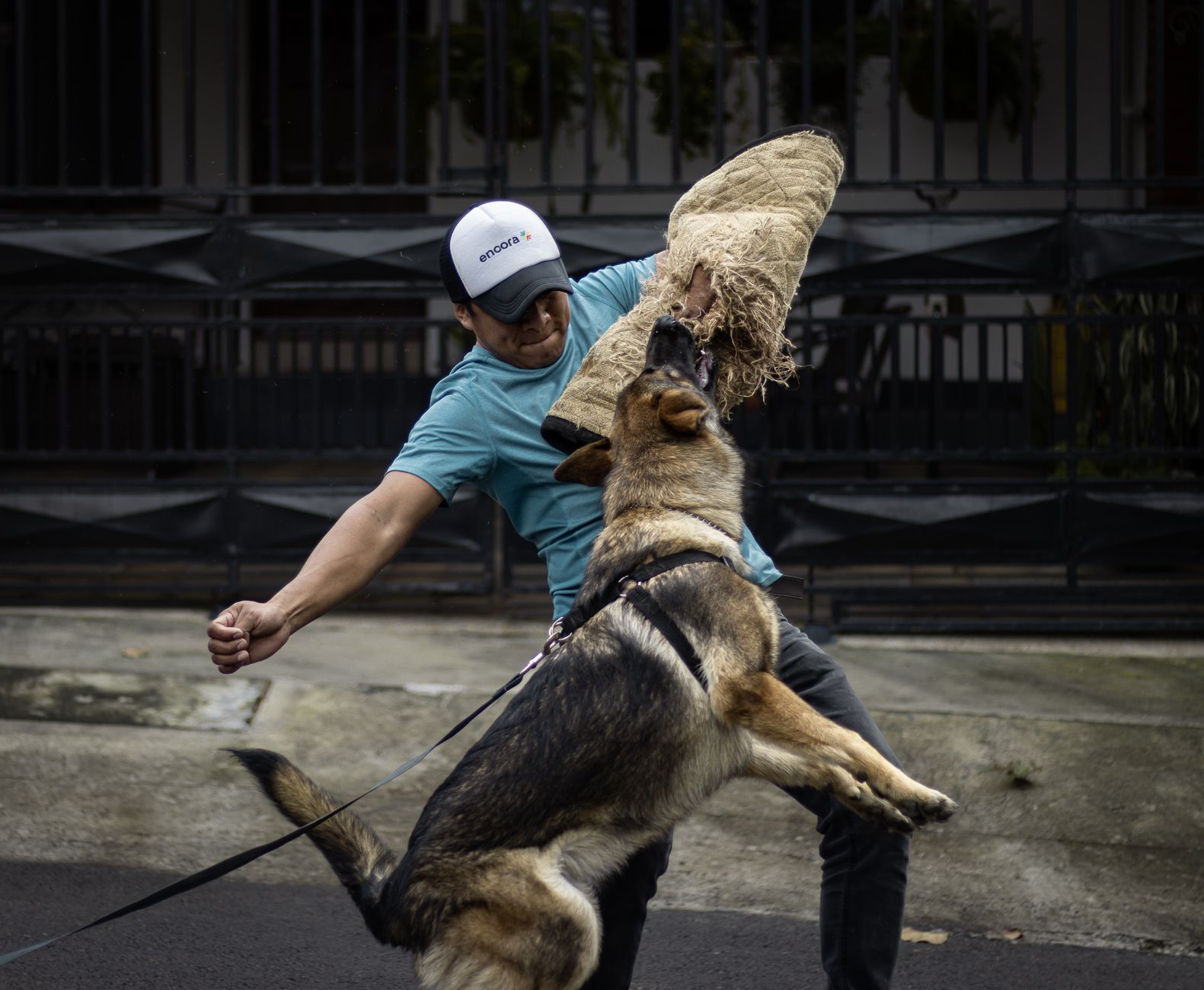
The most common reason for a lump after a dog bite is the body’s natural inflammatory response. When the skin is broken, the body immediately rushes inflammatory cells to the site to begin the healing process.
- This response can manifest as:
- Swelling
- Redness
- Pain
- The palpable lump itself
This initial inflammation is a good thing, indicating that your immune system is actively working to prevent infection. However, excessive inflammation or prolonged swelling can be problematic and might require medical attention.
Infection: When Bacteria Take Hold
A dog’s mouth harbors a variety of bacteria. Even seemingly minor bites can introduce these bacteria into the wound, leading to infection. A lump caused by infection often feels warm to the touch, is accompanied by redness and pus, and can cause fever or chills. Common bacteria implicated in dog bite infections include Staphylococcus, Streptococcus, and Pasteurella.
If you suspect an infection, prompt medical attention is crucial. Untreated infections can spread, leading to more serious complications.
Hematoma Formation: Blood Under the Surface
A hematoma is a collection of blood outside of blood vessels, often resulting from trauma. When a dog bites, it can damage small blood vessels, causing blood to leak into the surrounding tissues. This leaked blood can clot and form a palpable lump or mass under the skin. Hematomas are usually not dangerous and will resolve on their own over time as the body reabsorbs the blood, but large hematomas can be painful and may require drainage by a medical professional.
Allergic Reactions: A Rare but Possible Cause
In rare cases, the lump why do I have a lump after a dog bite? could be due to an allergic reaction to something in the dog’s saliva. Allergic reactions can manifest as localized swelling, itching, and redness around the bite site. More severe allergic reactions (anaphylaxis) can cause difficulty breathing, hives, and swelling of the face, lips, or tongue, and require immediate emergency medical care.
Treatment Options: From Home Care to Medical Intervention
The appropriate treatment for a lump after a dog bite depends on the underlying cause.
- For simple inflammation:
- Wash the wound thoroughly with soap and water.
- Apply a clean bandage.
- Elevate the affected area.
- Use over-the-counter pain relievers like ibuprofen or acetaminophen.
- For suspected infection:
- Seek immediate medical attention.
- Your doctor may prescribe antibiotics to combat the infection.
- They may also clean and dress the wound.
- For hematomas:
- Apply ice packs to the area to reduce swelling.
- Rest the affected area.
- If the hematoma is large or painful, your doctor may drain it.
- For allergic reactions:
- Take an antihistamine.
- Seek immediate medical attention if you experience difficulty breathing or other severe symptoms.
When to Seek Medical Attention
It’s important to know when a lump why do I have a lump after a dog bite? warrants a trip to the doctor. Seek medical attention immediately if you experience any of the following:
- Signs of infection (redness, warmth, pus, fever, chills)
- Severe pain
- Swelling that is rapidly increasing
- Numbness or tingling in the affected area
- Difficulty moving the affected area
- Signs of an allergic reaction (difficulty breathing, hives, swelling of the face, lips, or tongue)
- If the dog is unknown or suspected of being rabid.
- If you have not had a tetanus shot in the past 5 years
Prevention is Key: Avoiding Dog Bites
While understanding the causes and treatments for lumps after dog bites is important, preventing bites in the first place is ideal.
- Teach children how to interact safely with dogs.
- Never approach an unfamiliar dog.
- Avoid bothering dogs that are eating, sleeping, or caring for puppies.
- Be aware of a dog’s body language and avoid actions that might be perceived as threatening.
Table: Comparing Potential Causes of Lumps After Dog Bites
| Cause | Symptoms | Treatment |
|---|---|---|
| Inflammation | Swelling, redness, pain, warmth | Wound care, elevation, pain relievers |
| Infection | Redness, warmth, pus, fever, chills | Antibiotics, wound cleaning and dressing |
| Hematoma | Swelling, bruising, pain | Ice packs, rest, drainage (if large or painful) |
| Allergic Reaction | Swelling, itching, redness, hives, difficulty breathing (severe cases) | Antihistamines, epinephrine (for anaphylaxis), immediate medical attention |
Frequently Asked Questions (FAQs)
Why is my lump after a dog bite hard?
A hard lump after a dog bite is often due to the inflammation and swelling of tissues surrounding the bite site. The body’s natural healing process involves the influx of fluids and inflammatory cells, which can cause the tissues to become firm. Sometimes, it could also indicate a developing hematoma or, less frequently, scar tissue formation.
How long does a lump from a dog bite usually last?
The duration of a lump after a dog bite varies depending on the cause and severity. Simple inflammation may resolve within a few days to a week with proper care. Hematomas can take several weeks or even months to fully reabsorb. If the lump is due to an infection, it will persist or worsen until treated with antibiotics. If it persists beyond a week without improvement, consult a doctor.
Is it possible for a lump after a dog bite to be cancerous?
While extremely rare, a lump after a dog bite could theoretically be related to a pre-existing cancerous condition being exacerbated by the trauma or, in incredibly rare situations, linked to the bite itself stimulating unusual cell growth. However, the vast majority of lumps are due to inflammation, infection, or hematomas. Any new or persistent lump should be evaluated by a medical professional to rule out any serious underlying conditions.
What are the long-term effects of a dog bite lump?
In most cases, a lump after a dog bite resolves completely without long-term effects. However, if the bite was severe or if there were complications such as a deep infection, there could be residual scarring, nerve damage (leading to numbness or pain), or limited range of motion. Physical therapy may be necessary in some cases.
Can I pop a lump from a dog bite?
No, you should never attempt to pop a lump from a dog bite. This can introduce further infection, damage surrounding tissues, and delay healing. If the lump is an abscess (a collection of pus due to infection), it requires professional medical drainage by a healthcare provider.
What is the best way to clean a dog bite wound?
The best way to clean a dog bite wound is to immediately wash it thoroughly with soap and warm water for several minutes. Gently scrub the area to remove any debris or contaminants. After washing, apply a thin layer of antibiotic ointment and cover with a clean bandage.
Should I get a tetanus shot after a dog bite?
Whether you need a tetanus shot after a dog bite depends on your vaccination history. If you have completed the primary tetanus series and have had a booster within the past 5-10 years, you are likely protected. However, if you are unsure of your vaccination status or if it has been more than 10 years since your last booster, it is advisable to get a tetanus shot. Consult with your doctor to determine the best course of action.
Are some people more likely to get a lump after a dog bite?
Yes, certain individuals may be more prone to developing a lump after a dog bite. People with compromised immune systems (due to conditions like diabetes, HIV/AIDS, or certain medications) are at higher risk of infection and may experience more pronounced inflammation. Older adults and young children may also be more susceptible to complications.
How do I know if my dog bite is infected?
Signs that a dog bite is infected include: increasing pain, redness, swelling, warmth, pus or drainage from the wound, fever, chills, swollen lymph nodes near the bite site, and red streaks extending from the wound. If you experience any of these symptoms, seek immediate medical attention.
Can I use essential oils to treat a lump after a dog bite?
While some essential oils, like tea tree oil or lavender oil, have antimicrobial and anti-inflammatory properties, they are not a substitute for proper medical care. It’s crucial to properly clean the wound with soap and water first. It is also important to note that essential oils are not regulated and may contain harmful impurities and cause allergic reactions. If you have any concerns, it’s best to see a healthcare professional.
What type of doctor should I see for a dog bite lump?
For a lump after a dog bite, you can initially see your primary care physician. They can assess the wound, determine the cause of the lump, and provide appropriate treatment. If the bite is severe, complicated, or infected, they may refer you to a specialist such as a surgeon or an infectious disease specialist.
Will a dog bite lump go away on its own?
Whether a dog bite lump will go away on its own depends on the underlying cause. Lumps caused by simple inflammation or small hematomas may resolve on their own with proper wound care. However, lumps caused by infection or large hematomas typically require medical intervention. It is essential to monitor the lump and seek medical attention if it persists, worsens, or is accompanied by other symptoms.