
Is a Dog Bite Stronger Than a Human Bite? Examining Bite Force and Its Implications
Yes, generally speaking, a dog bite is significantly stronger than a human bite. This article explores the science behind bite force, the factors influencing bite strength in both humans and dogs, and the potential consequences of each.

Understanding Bite Force: Pounds per Square Inch (PSI)
Bite force is measured in pounds per square inch (PSI), which represents the amount of pressure exerted by the jaws. While individual variations exist, the average human bite registers around 162 PSI. In contrast, dogs, depending on their breed and size, can exert much higher pressures. This difference in bite force has significant implications for the types of injuries each can inflict.
Factors Influencing Bite Strength in Dogs

Several factors contribute to the powerful bite force seen in many dog breeds:
- Breed: Certain breeds, such as Rottweilers, German Shepherds, and Pit Bulls, are known for their powerful jaws and significantly higher PSI.
- Size and Musculature: Larger dogs with more developed jaw muscles naturally possess greater bite force.
- Jaw Structure: The shape and structure of a dog’s jaw, particularly the temporomandibular joint (TMJ), can contribute to its ability to generate force. A shorter snout can provide a mechanical advantage.
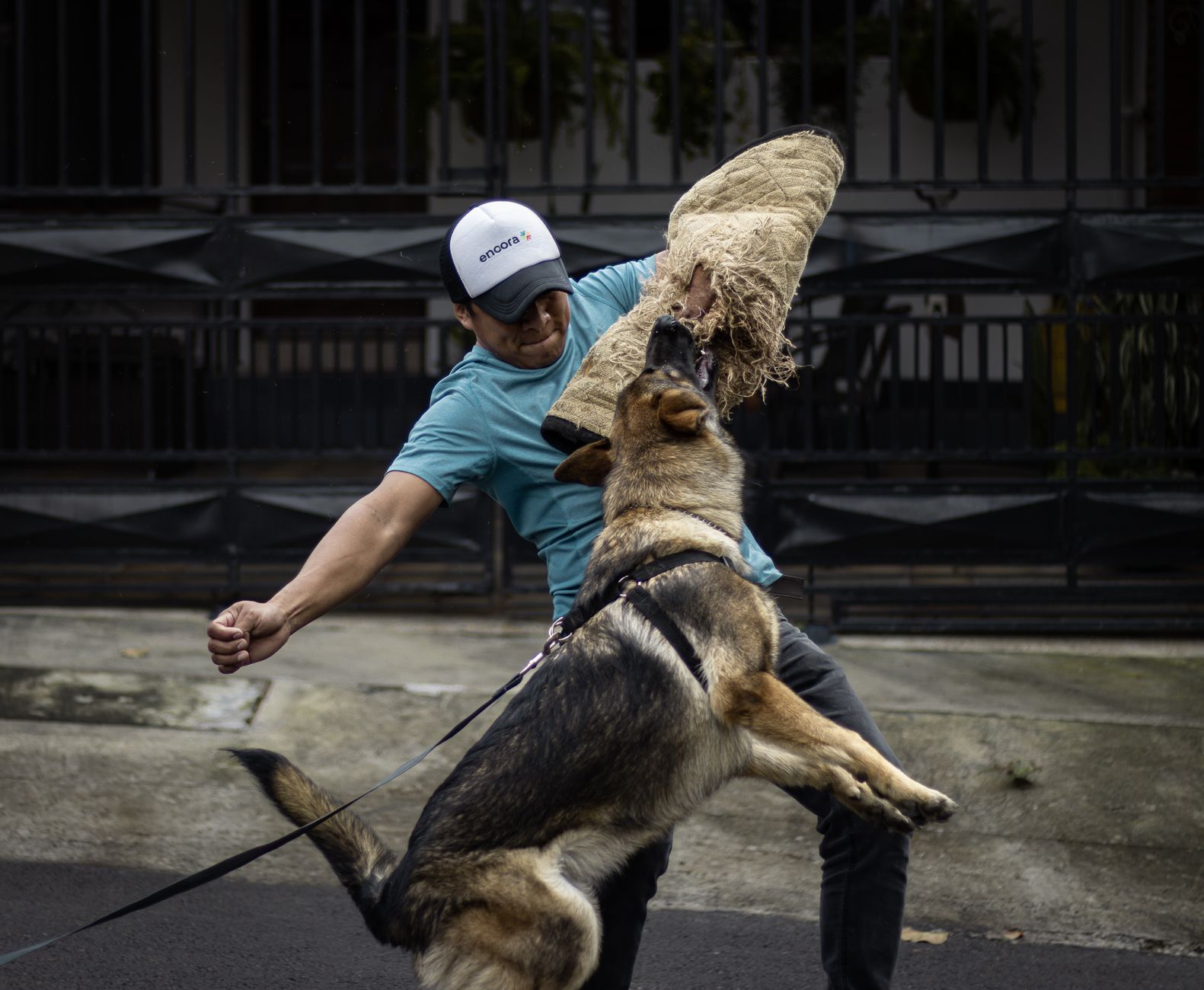
- Training and Temperament: While not directly impacting physical bite force potential, training (such as bite work) and temperament can influence a dog’s willingness and ability to use its bite force.
Factors Influencing Bite Strength in Humans
While humans have evolved complex cognitive abilities, our bite force pales in comparison to many animals. The key factors limiting human bite strength include:
- Jaw Musculature: Human jaw muscles, while capable of chewing and speech, are not as large or powerful as those found in many dog breeds.
- Jaw Structure: The human jaw is designed for a wide range of functions, including speech and intricate food manipulation, which necessitates a different structure than that of a purely predatory animal. Our jaws are also less resistant to dislocation under extreme force.
- Enamel Thickness: While hard, our tooth enamel is not as resistant to fracture as some other animals. This limits the amount of force we can safely apply.
Comparing Bite Force: Dogs vs. Humans
The difference in bite force between dogs and humans is substantial. Here’s a table illustrating the approximate PSI of various dog breeds and the average human:
| Animal | Approximate PSI |
|---|---|
| Average Human | 162 |
| American Pit Bull | 235 |
| German Shepherd | 238 |
| Rottweiler | 328 |
| Kangal | 743 |
This table clearly illustrates the significantly greater bite force that certain dog breeds can exert compared to humans. Note that these are just examples; individual dog bites can vary.
Consequences of Dog Bites
The higher bite force of dogs translates to more severe injuries. Dog bites can cause:
- Puncture wounds: Deep wounds that can introduce bacteria and lead to infection.
- Lacerations: Tearing of the skin and underlying tissues.
- Crushing injuries: Damage to bones, muscles, and nerves due to the immense pressure.
- Avulsions: Removal of skin and tissue.
These injuries can require extensive medical treatment, including surgery, antibiotics, and physical therapy.
Consequences of Human Bites
While significantly weaker, human bites can still be dangerous. The most significant risk with human bites is infection due to the diverse and sometimes antibiotic-resistant bacteria present in the human mouth. Human bites can cause:
- Infections: Bacterial infections, including Staphylococcus and Streptococcus.
- Transmission of diseases: Rare, but possible transmission of bloodborne pathogens like Hepatitis B, Hepatitis C, and HIV, although the risk is generally low.
- Skin breakage and minor wounds: While the bite force is weaker, the teeth can still break the skin.
Prevention is Key: Reducing the Risk of Bites
Regardless of whether the bite is from a dog or a human, prevention is crucial. Responsible pet ownership, proper socialization, and educating children on how to interact with animals are essential for minimizing the risk of dog bites. Good hygiene and avoiding conflict are important to preventing human bites.
Frequently Asked Questions (FAQs)
How does the size of a dog affect its bite force?
Larger dogs generally have stronger bites because they possess larger jaw muscles and bone structures. A Great Dane will almost certainly have a more powerful bite than a Chihuahua, all other factors being equal. However, breed-specific factors can also influence bite force independent of size. A small dog with a specifically bred powerful bite could still out-bite a larger dog of another breed.
Is there a way to accurately measure a dog’s bite force in real-time?
While it’s difficult to measure a dog’s bite force in a real-time, uncontrolled scenario, scientists and researchers use specialized pressure sensors and bite sleeves equipped with strain gauges. These devices record the force exerted when a dog bites down on them. This is typically done in a controlled laboratory setting, not in the field.
Are some dog breeds unfairly stigmatized for their bite force?
Yes, certain breeds, like Pit Bulls, are often unfairly stigmatized due to media portrayals and misconceptions about their aggression. While they possess strong bites, responsible ownership and training are far more critical factors in determining a dog’s behavior than simply its breed.
Are there any legal ramifications for dog bites?
Absolutely. Dog owners are typically liable for injuries caused by their dogs, especially if the dog has a history of aggression. Laws vary by location, but owners may be held responsible for medical bills, lost wages, and even emotional distress caused by a dog bite. “One bite” laws, which allow a dog one free bite before the owner is held liable, are becoming less common.
Is it true that a human bite is “dirtier” than a dog bite?
Yes, this is generally true. The human mouth contains a wider variety of bacteria, including some that are more resistant to antibiotics, making human bites prone to infection. The risk of serious infection is higher with human bites than dog bites, despite the weaker bite force.
What should I do immediately after being bitten by a dog?
First, wash the wound thoroughly with soap and water. Control any bleeding with a clean cloth and seek immediate medical attention, especially if the wound is deep or shows signs of infection. Report the bite to animal control and try to identify the dog and its owner to verify its vaccination status.
Can a dog bite cause nerve damage?
Yes, a dog bite can cause nerve damage, especially if the bite is deep and involves significant tissue damage. Nerve damage can result in numbness, tingling, pain, or weakness in the affected area. Severe nerve damage may require specialized treatment.
What is the risk of rabies from a dog bite?
The risk of rabies from a dog bite in developed countries is relatively low due to widespread vaccination programs. However, if the dog is unvaccinated or its rabies status is unknown, it’s crucial to receive rabies post-exposure prophylaxis (PEP) as soon as possible.
How can I train my dog to prevent biting?
Early socialization and consistent training are crucial. Expose your dog to a variety of people, places, and situations from a young age. Teach basic obedience commands and address any signs of aggression or fearfulness promptly with a professional trainer.
Can a human bite break bones?
While uncommon, a human bite can potentially break small bones, such as those in the fingers or toes, if enough force is applied. However, it’s far less likely than with a dog bite due to the difference in bite force.
What are the signs of infection after a bite?
Signs of infection after a bite include redness, swelling, pain, warmth, pus or drainage, and fever. If you experience any of these symptoms, seek immediate medical attention. Early treatment of infection is crucial to prevent serious complications.
How can I protect myself from dog bites?
Avoid approaching unfamiliar dogs, especially if they are showing signs of aggression (growling, snarling, baring teeth). Teach children how to interact safely with dogs and never leave young children unsupervised with a dog. If a dog approaches you aggressively, avoid running away, stand your ground, avoid eye contact, and protect your face and neck.