

What Eats the Roots of Hostas? Protecting Your Prized Perennials
The demise of a beloved hosta often starts beneath the soil. What eats the roots of hostas? is a question many gardeners face, with answers pointing to various pests and pathogens, most notably voles and nematodes.

Understanding the Threat to Hosta Roots
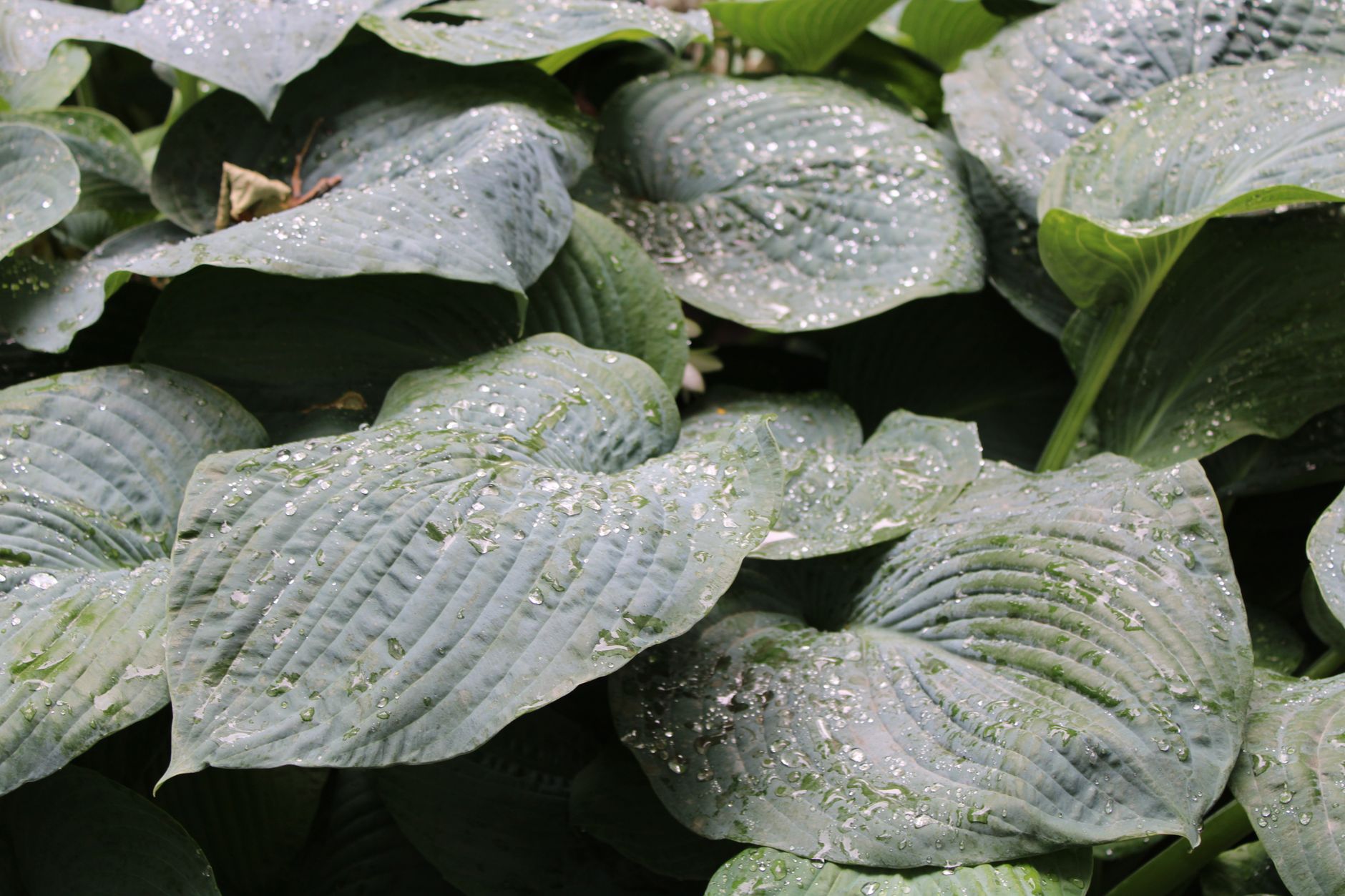
Hostas, prized for their lush foliage and shade tolerance, are a staple in many gardens. However, their succulent roots are a tempting target for a variety of subterranean adversaries. Understanding these threats is the first step in protecting your prized plants.

What colours are fish most attracted to?
Can you put your finger in a trout's mouth?
Is methylene blue anti bacterial?
Does aquarium salt raise pH in aquarium?
Common Culprits: Pests That Feast on Hosta Roots
Several pests are known to feed on hosta roots, causing stunted growth, yellowing leaves, and eventually, plant death. The most common include:
- Voles: These small rodents are notorious for tunneling through gardens and gnawing on roots, often leaving behind a network of underground runways.
- Nematodes: Microscopic roundworms that infest the soil and feed on plant roots, disrupting nutrient uptake.
- Root Weevils: The larvae of these beetles feed on plant roots, weakening the plant.
- Wireworms: These are the larvae of click beetles. While they typically prefer vegetable roots, they can sometimes target hostas, especially in gardens that were previously vegetable plots.
Recognizing the Symptoms of Root Damage
Detecting root damage early is crucial for effective treatment. Look for these telltale signs:
- Stunted growth: Plants appear smaller than usual and may not reach their full potential.
- Yellowing leaves: A sign of nutrient deficiency, often caused by impaired root function.
- Wilting: Even with adequate watering, plants may wilt due to damaged roots’ inability to absorb moisture.
- Loose plants: Plants may be easily pulled from the ground, indicating significant root loss.
- Visible damage: Upon closer inspection, you may find gnawed roots, tiny holes, or the presence of pests themselves.
Effective Control and Prevention Strategies
Once you’ve identified the culprit, you can implement appropriate control measures. Here are some strategies to protect your hostas:
- Vole control:
- Trapping: Using mouse traps baited with peanut butter.
- Repellents: Applying commercial vole repellents to the soil around your hostas.
- Habitat modification: Removing ground cover and dense vegetation that provide shelter for voles.
- Barriers: Install wire mesh barriers around individual plants or garden beds.
- Nematode control:
- Soil solarization: Heating the soil with clear plastic to kill nematodes.
- Beneficial nematodes: Introducing beneficial nematodes that prey on plant-parasitic nematodes.
- Soil amendments: Adding organic matter to improve soil health and suppress nematode populations.
- Crop rotation: Rotating hostas with plants that are resistant to nematodes.
- Root weevil control:
- Handpicking: Collecting adult weevils at night.
- Insecticides: Applying insecticides specifically formulated for root weevils.
- Beneficial nematodes: Using Heterorhabditis bacteriophora nematodes to control larvae.
- Wireworm Control:
- Crop Rotation: Avoid planting hostas in areas that recently hosted crops known to attract wireworms.
- Soil solarization: As mentioned with nematodes, heating the soil can reduce wireworm populations.
- Insecticides: While generally a last resort, insecticides labeled for wireworm control can be used. Always follow label instructions.
Preventing Root Damage: A Proactive Approach
Prevention is always better than cure. Adopt these practices to minimize the risk of root damage:
- Choose resistant varieties: Some hosta varieties are more resistant to pests and diseases than others.
- Improve soil drainage: Well-drained soil is less attractive to many pests.
- Maintain good sanitation: Remove dead leaves and debris that can harbor pests.
- Monitor plants regularly: Inspect your hostas frequently for signs of damage.
What eats the roots of hostas? Is it something else? Other potential causes of decline
While pests are a common cause, other factors can contribute to hosta decline that mimic root damage. These include:
- Poor soil conditions: Compacted or nutrient-deficient soil can weaken plants and make them more susceptible to pests and diseases.
- Improper watering: Overwatering or underwatering can stress plants and damage roots.
- Disease: Root rot and other fungal diseases can attack hosta roots.
- Sun scorch: Hostas in too much sun can experience leaf scorch and overall stress, leading to weakened roots.
| Factor | Symptoms | Prevention/Solution |
|---|---|---|
| Voles | Tunnels, gnawed roots, wilting | Trapping, repellents, habitat modification, barriers |
| Nematodes | Stunted growth, yellowing, root galls | Soil solarization, beneficial nematodes, soil amendments, crop rotation |
| Root Weevils | Notched leaves, root damage | Handpicking, insecticides, beneficial nematodes |
| Wireworms | Damaged roots, holes in leaves (less common) | Crop rotation, soil solarization, insecticides |
| Poor Soil | Stunted growth, nutrient deficiencies | Soil testing, amending with organic matter, improving drainage |
| Improper Watering | Wilting, yellowing, root rot | Adjust watering schedule, ensure proper drainage |
| Disease | Root rot, leaf spots | Fungicides, improved air circulation, proper watering |
| Sun Scorch | Brown or yellow leaf tips/edges | Provide shade, move plants to a shadier location |
Frequently Asked Questions (FAQs)
Is it always easy to tell what eats the roots of hostas?
No, diagnosing the exact cause of root damage can sometimes be challenging. Symptoms can overlap, and multiple factors may be at play. Careful observation, soil examination, and possibly laboratory testing may be necessary for accurate identification. The presence of visible tunnels and/or gnawed roots usually signifies vole damage, while tiny root galls or microscopic worms would point to nematodes.
Are some hosta varieties more susceptible to root damage than others?
Yes, certain hosta varieties may be more prone to root damage due to their root structure, growth habits, or overall vigor. Generally, thicker-rooted varieties tend to be less attractive to pests like voles compared to those with finer, more delicate roots. Researching the specific pest resistance of different cultivars can help you make informed choices.
How can I tell the difference between vole damage and root weevil damage?
Vole damage often involves extensive tunneling and complete severing of roots, leading to a plant that easily lifts from the soil. Root weevil damage is typically characterized by smaller, more localized feeding on roots, and notched edges on the leaves (due to the adult weevils).
Can I use organic methods to control pests that eat hosta roots?
Yes, there are many effective organic methods for controlling pests that eat hosta roots. These include using beneficial nematodes, applying organic repellents, improving soil health, and employing physical barriers. Organic gardening prioritizes soil health and natural pest control.
Will companion planting help prevent root damage to my hostas?
Yes, certain companion plants can help deter pests that attack hosta roots. Plants like garlic, onions, and marigolds are known to repel voles and other garden pests. Companion planting can create a more diverse and resilient garden ecosystem.
How often should I inspect my hostas for signs of root damage?
Regular inspection is crucial for early detection. Aim to inspect your hostas at least once a week, paying close attention to their overall health, leaf color, and growth rate. Early detection allows for more effective intervention.
What is the best time of year to treat for pests that eat hosta roots?
The best time to treat for pests depends on the specific pest and its life cycle. For voles, fall and winter are ideal for trapping and repellent application. For root weevils and nematodes, spring and summer are often the most effective times to apply treatments. Understanding the pest’s life cycle is essential for effective control.
Are there any soil amendments that can help protect hosta roots from pests?
Yes, certain soil amendments can help protect hosta roots. Adding compost, well-rotted manure, or other organic matter can improve soil health and suppress pest populations. Healthy soil promotes healthy plants that are more resistant to pests and diseases.
Can I use nematodes to control voles?
No, nematodes are not effective against voles. Nematodes primarily target insect larvae and other soil-dwelling invertebrates. Voles are rodents and require different control methods, such as trapping or repellents. Using the right control method is crucial for success.
What should I do if I suspect root rot in my hostas?
If you suspect root rot, the first step is to improve drainage around the affected plants. Remove any affected roots and apply a fungicide specifically formulated for root rot. Consider transplanting the hosta to a location with better drainage.
Can I replant a hosta that has suffered root damage?
Yes, if the root damage is not too severe, you can often replant a hosta. Remove any damaged roots, amend the soil with compost, and replant the hosta in a well-drained location. Provide extra care and watering to help the plant recover.
What is the most important thing to remember when trying to protect my hostas from root damage?
The most important thing is to be proactive and vigilant. Regularly inspect your plants, monitor soil conditions, and take prompt action when you notice any signs of trouble. Early detection and intervention are key to preventing significant root damage and preserving the health of your hostas.