

Why Can’t Reptiles Produce Heat? Exploring Ectothermic Strategies
Reptiles are ectothermic or “cold-blooded”, meaning they rely on external sources to regulate their body temperature rather than generating significant internal heat. This article explores the physiological and evolutionary reasons why can’t reptiles produce heat? and thrive despite it.
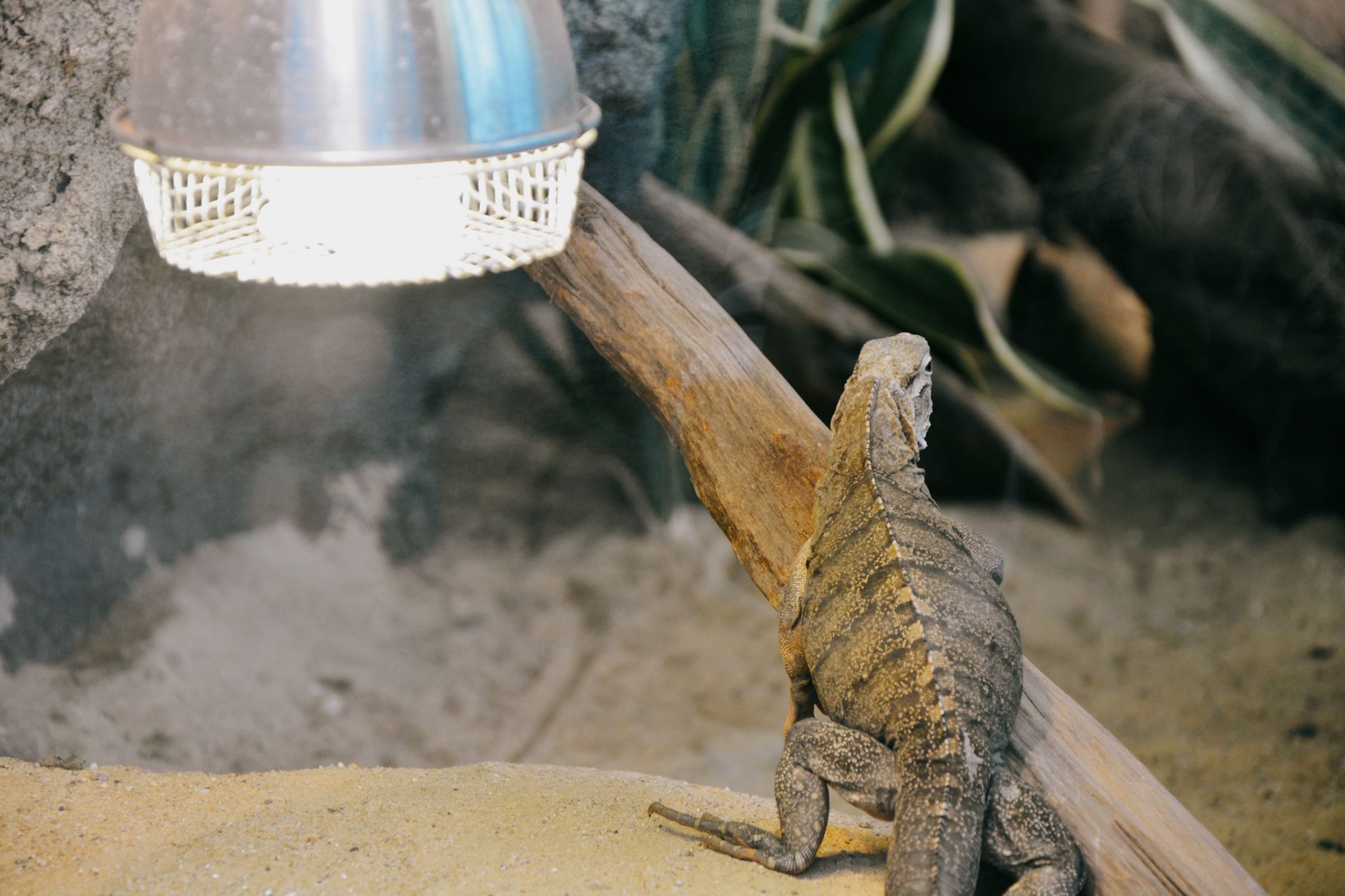
The Ectothermic Lifestyle: An Overview
Reptiles, unlike mammals and birds, don’t produce significant amounts of heat internally through metabolic processes. This characteristic, known as ectothermy, is a fundamental aspect of their physiology and lifestyle. Understanding ectothermy is crucial to comprehending the diversity and success of reptiles across various environments.

What colours are fish most attracted to?
Can you put your finger in a trout's mouth?
Is methylene blue anti bacterial?
Does aquarium salt raise pH in aquarium?
Metabolic Rate and Heat Generation

One primary reason why can’t reptiles produce heat? is their relatively low metabolic rate compared to endotherms (warm-blooded animals). Metabolic rate refers to the speed at which an organism converts food into energy. Mammals and birds have high metabolic rates, which generate a considerable amount of heat as a byproduct. Reptiles, with their lower metabolic demands, simply don’t produce enough heat to maintain a stable, high body temperature internally.
Physiological Adaptations
Reptiles possess specific physiological adaptations that allow them to thrive as ectotherms. These adaptations are designed to maximize heat absorption from the environment and minimize heat loss.
- Basking: Reptiles frequently bask in the sun to absorb solar radiation, raising their body temperature.
- Behavioral Thermoregulation: They actively seek out warm or cool environments to maintain their preferred body temperature range.
- Circulatory System Adjustments: Some reptiles can alter blood flow to different parts of their body to control heat exchange with the environment. Dark coloration, for example, helps reptiles to absorb heat more quickly.
- Habitat Selection: Reptiles select habitats where they can successfully thermoregulate.
Evolutionary Advantages and Disadvantages
The ectothermic strategy presents both advantages and disadvantages. One major advantage is energy efficiency. Because reptiles don’t need to expend energy to generate heat, they require significantly less food than similarly sized mammals or birds. This is particularly advantageous in environments where food is scarce.
| Feature | Ectotherms (Reptiles) | Endotherms (Mammals/Birds) |
|---|---|---|
| Body Temperature Regulation | External sources (sun, substrate) | Internal metabolic processes |
| Metabolic Rate | Low | High |
| Food Requirements | Low | High |
| Activity Level | Dependent on environmental temperature | More consistent activity |
| Environmental Tolerance | Limited by temperature | Wider range of tolerance |
However, ectothermy also has its limitations. Reptiles are heavily reliant on external temperatures, meaning their activity levels are often restricted by weather conditions. They are typically less active in cold or very hot environments, which can limit their foraging and reproductive opportunities.
Common Misconceptions
A common misconception is that ectotherms are “cold-blooded” in the sense that their blood is actually cold. In reality, reptiles can achieve high body temperatures by basking in the sun or seeking out warm microclimates. Their body temperature simply fluctuates more than that of endotherms and is directly tied to the environment. Furthermore, ectothermy doesn’t mean an animal is inherently sluggish. Many reptiles, such as snakes and lizards, can be remarkably fast and agile when they reach their optimal body temperature.
The Future of Reptilian Research
Ongoing research into reptilian physiology and behavior continues to reveal fascinating insights into their adaptations to ectothermy. Scientists are studying how reptiles cope with extreme temperatures, how their circulatory systems regulate heat exchange, and how their metabolic rates vary across different species and environments. This research is providing a deeper understanding of why can’t reptiles produce heat? and offers valuable perspectives on the evolution of thermoregulation in vertebrates.
Frequently Asked Questions (FAQs)
Why are reptiles called “cold-blooded”?
The term “cold-blooded” is somewhat misleading. Reptiles are ectothermic, meaning they rely on external sources of heat to regulate their body temperature. Their blood temperature varies with the environment, unlike endotherms like mammals and birds who maintain a constant internal temperature.
How do reptiles stay warm when it’s cold outside?
Reptiles employ various behavioral and physiological strategies to stay warm in cold conditions. They might bask in the sun, seek shelter in burrows or under rocks, or even enter a state of dormancy called brumation, which is similar to hibernation in mammals.
Can reptiles overheat in hot weather?
Yes, reptiles are susceptible to overheating in excessively hot weather. To prevent this, they seek shade, burrow underground, or become active only during cooler times of the day. Some reptiles can also evaporate water through their skin or mouth to cool down.
What is the ideal body temperature for a reptile?
The ideal body temperature varies depending on the species of reptile. Each species has a preferred optimal temperature zone (POTZ) within which they can function most efficiently. Maintaining this temperature is crucial for digestion, movement, and reproduction.
Do all reptiles bask in the sun?
While basking is a common behavior among many reptiles, not all species do it. Some reptiles, particularly those that are nocturnal or live in shaded environments, may rely on other sources of heat, such as contact with warm surfaces.
Why are reptiles more common in warm climates?
Reptiles are more common in warm climates because ectothermy is most effective in environments where external heat sources are readily available. Cold climates present a greater challenge for reptiles to maintain their body temperature, limiting their distribution.
How does a reptile’s skin help with thermoregulation?
A reptile’s skin plays a crucial role in thermoregulation. Some reptiles have dark-colored skin to absorb heat more efficiently, while others have reflective scales to reduce heat absorption. Changes in blood flow to the skin can also help regulate heat exchange.
What is brumation?
Brumation is a period of dormancy in reptiles that is similar to hibernation in mammals. During brumation, a reptile’s metabolic rate slows down, and they become inactive to conserve energy during cold weather.
Do reptiles sweat like humans to cool down?
No, reptiles generally do not have sweat glands like humans. Instead, some reptiles use evaporative cooling through their mouth or skin to dissipate heat. Panting is also another method that some reptiles utilize to regulate their body temperature.
How does a reptile’s diet affect its thermoregulation?
A reptile’s diet indirectly affects its thermoregulation. Digestion requires energy, and some reptiles will bask after a meal to elevate their body temperature and facilitate digestion. Different types of food can also affect the metabolic rate and the amount of heat produced.
Are there any reptiles that can generate their own heat?
While reptiles are primarily ectothermic, some research suggests that certain species, such as some pythons during incubation, can generate a small amount of metabolic heat. However, this heat production is not sufficient to maintain a consistent high body temperature independent of the environment.
How has reptile thermoregulation changed over time?
The evolution of reptile thermoregulation has involved a range of physiological and behavioral adaptations. Early reptiles likely relied heavily on environmental heat sources, but over time, different lineages have evolved different strategies for coping with varying temperature conditions, including specialized circulatory systems and behavioral thermoregulation techniques.