
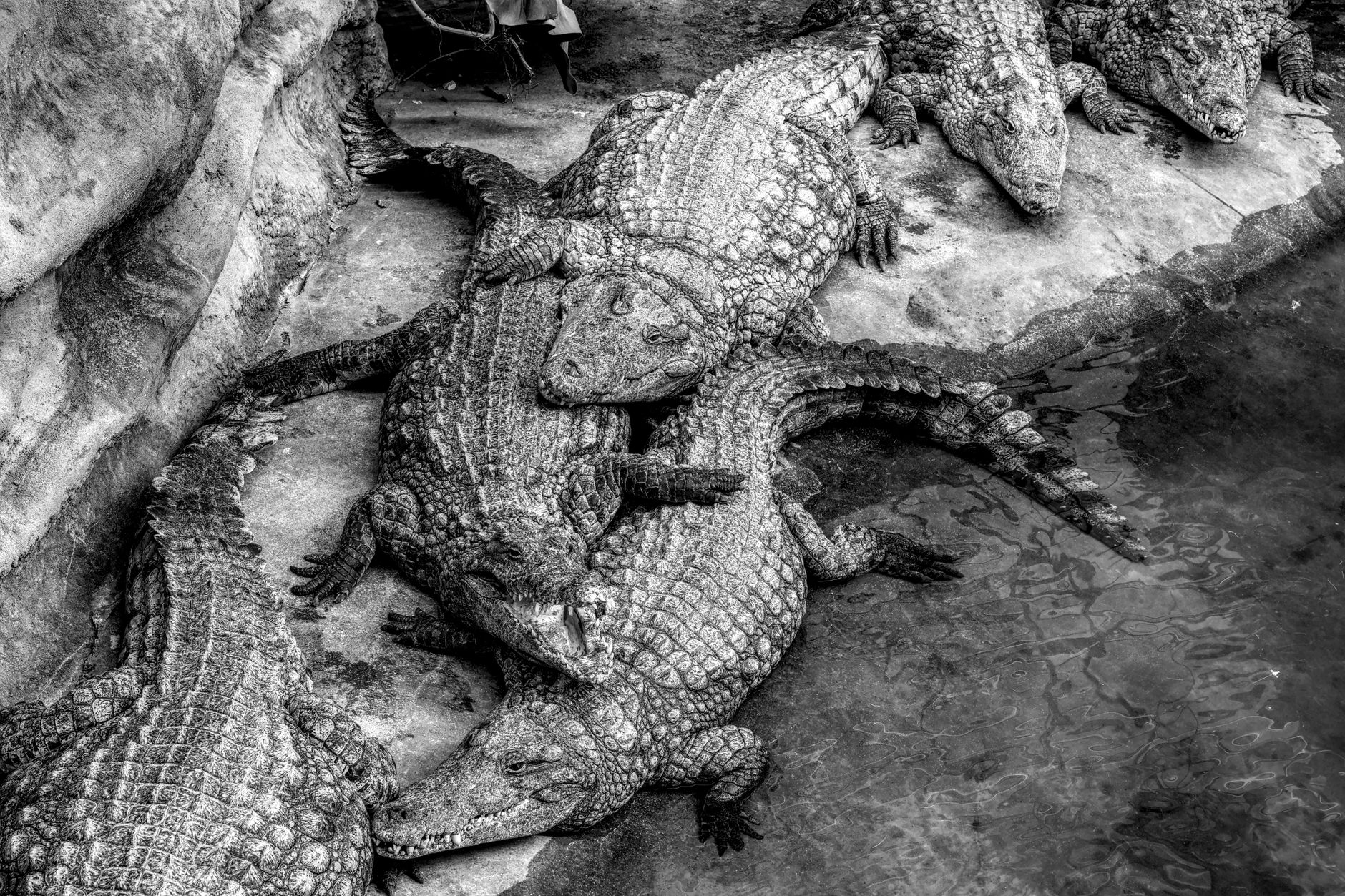
Why Are There No Crocodiles in New Zealand? The Definitive Answer
New Zealand’s unique ecosystem lacks native crocodile populations primarily due to its geographic isolation and consistently cool temperatures, which are unsuitable for the ectothermic crocodiles. These environmental factors, acting in concert, have prevented crocodile colonization and survival in the region.

A Land Apart: The Geographic Isolation of New Zealand
New Zealand’s story is one of separation. Its origins lie in Gondwana, a supercontinent that began to break apart millions of years ago. New Zealand, specifically, separated long before the evolution of modern crocodiles. This ancient isolation meant that many terrestrial species, including the ancestors of crocodiles, never had the chance to naturally migrate to the islands. This geographical barrier is a fundamental reason why are there no crocodiles in New Zealand?
- Early separation from other landmasses limited the initial fauna present.
- Vast oceanic distances prevented subsequent natural colonization.
What colours are fish most attracted to?
Can you put your finger in a trout's mouth?
Is methylene blue anti bacterial?
Does aquarium salt raise pH in aquarium?
Temperature as a Limiting Factor

Crocodiles are ectothermic, often referred to as cold-blooded, meaning they rely on external sources of heat to regulate their body temperature. New Zealand’s climate, characterized by cool summers and mild winters, simply doesn’t provide the consistent warmth crocodiles need to thrive. They require sustained periods of high temperatures for essential processes like:
- Digestion
- Reproduction
- Immune function
New Zealand’s temperatures rarely, if ever, reach the required thresholds for successful crocodile populations. Consider the table below for a rough comparison.
| Feature | Crocodile Habitat (Typical) | New Zealand (Typical) |
|---|---|---|
| Average Temperature | 25-35°C | 10-20°C |
| Sunlight Hours | High | Moderate |
The Fossil Record: A Glimpse into the Past
While there are no living crocodiles in New Zealand, the fossil record tells a more complex story. Fossils of crocodile relatives, like mekosuchines, have been discovered in New Zealand dating back millions of years. These extinct crocodiles were likely adapted to slightly cooler climates than modern crocodiles. However, they eventually went extinct, likely due to a combination of factors including:
- Climate change (cooling trend)
- Competition with other species
- Lack of suitable prey
This demonstrates that even crocodile relatives faced significant challenges in New Zealand’s environment. The extinction of these ancient crocodylians further solidifies understanding of why are there no crocodiles in New Zealand today.
Human Introduction: A Non-Starter
Despite the absence of native crocodiles, there have been occasional instances of crocodiles being found in New Zealand, invariably as accidental or deliberate introductions. However, none of these introductions have led to established populations. The reasons are multifaceted:
- Small number of individuals introduced
- Unsuitability of the environment (as discussed earlier)
- High likelihood of capture or death due to the novelty of their presence
The harsh reality remains that even with human intervention, the New Zealand environment remains fundamentally unsuitable for crocodile survival and propagation.
Ecosystem Considerations
The absence of crocodiles has shaped New Zealand’s unique ecosystems. The ecological niche typically occupied by crocodiles in other parts of the world is filled by other predators, such as:
- Large eels
- Various bird species
- Marine predators (sharks, seals, etc.)
Introducing crocodiles would likely have devastating consequences for these existing predator populations and the broader ecosystem. New Zealand’s existing fauna have adapted to a crocodile-free environment, making it highly vulnerable to invasive species occupying a similar niche. This also highlights the dangers of introducing non-native species into delicate ecosystems.
Global Climate Change and the Future
While New Zealand’s climate is currently unsuitable for crocodiles, global climate change is causing temperatures to rise worldwide. It begs the question: could crocodiles eventually establish themselves in New Zealand? While possible, the prospect is unlikely in the foreseeable future. New Zealand’s climate, even with warming trends, is still unlikely to consistently reach the high temperatures required for sustained crocodile populations. Additionally, other factors such as habitat availability and competition with existing species would continue to pose significant challenges.
Frequently Asked Questions
Could crocodiles survive in New Zealand zoos?
Yes, crocodiles can survive in New Zealand zoos. Zoos provide controlled environments that can mimic the tropical conditions that crocodiles require. This includes controlled temperatures, appropriate food, and veterinary care. However, this is drastically different from survival in the wild.
Were there ever crocodiles in New Zealand?
Yes, but not modern crocodiles. Fossil evidence indicates that extinct crocodile relatives, such as mekosuchines, existed in New Zealand millions of years ago. However, these species were adapted to different environmental conditions and eventually went extinct.
What would happen if crocodiles were introduced to New Zealand?
The introduction of crocodiles to New Zealand could have devastating ecological consequences. They could prey on native species, disrupt existing food chains, and potentially drive some species to extinction. The impact would be significant and largely negative.
Are there any similar reptiles in New Zealand?
New Zealand is home to a diverse range of native reptiles, primarily lizards (geckos and skinks). These reptiles have adapted to the cooler climate and fill different ecological niches than crocodiles.
Why are crocodiles found in Australia but not New Zealand?
Australia’s climate is significantly warmer and more tropical than New Zealand’s, providing suitable conditions for crocodiles. Furthermore, Australia is geographically closer to regions with native crocodile populations, making natural colonization possible.
Would climate change make New Zealand suitable for crocodiles?
While climate change is causing temperatures to rise, it is unlikely to make New Zealand consistently warm enough for sustainable crocodile populations in the foreseeable future. Even with warming trends, other factors like habitat availability and competition would remain limiting.
Is it illegal to import crocodiles into New Zealand?
Yes, the importation of crocodiles into New Zealand is strictly regulated and generally prohibited due to biosecurity risks and the potential for ecological damage.
What is the role of crocodiles in their native ecosystems?
Crocodiles are apex predators that play a crucial role in regulating prey populations and maintaining ecosystem balance. They help control populations of fish, birds, and mammals, preventing overgrazing and ensuring biodiversity.
What eats crocodiles in the wild?
Young crocodiles are vulnerable to a variety of predators, including large birds, fish, mammals, and even other crocodiles. Adult crocodiles have fewer natural predators but can be preyed upon by larger crocodiles, sharks, and occasionally large cats.
How long can crocodiles live?
Crocodiles are long-lived reptiles, with some species living over 70 years in the wild. Some individuals in captivity have even lived for over a century.
Do crocodiles lay eggs?
Yes, crocodiles are oviparous, meaning they reproduce by laying eggs. The female crocodile typically lays a clutch of eggs in a nest, which she guards until they hatch.
What are the main differences between crocodiles and alligators?
The most obvious difference is the shape of their snouts. Crocodiles have narrow, V-shaped snouts, while alligators have broader, U-shaped snouts. Additionally, crocodiles have teeth that are visible when their mouths are closed, while alligators do not. These differences are primarily due to dietary and habitat adaptations. Ultimately, the geographical isolation and climate constraints explain Why are there no crocodiles in New Zealand?