

Do Lions Avoid Elephants? A Complex Dance of Predator and Prey
Lions generally avoid confronting adult elephants due to their size and formidable defenses; however, desperation, opportunity, and specific environmental conditions can shift the dynamic, making them targets for lion prides.

The Uneasy Coexistence of Lions and Elephants
The African savanna is a land of giants and apex predators, where the interplay between lions (Panthera leo) and elephants (Loxodonta africana) is a fascinating study in predator-prey dynamics. Do lions avoid elephants? While the immediate answer might seem like a resounding “yes” due to the elephant’s immense size and power, the reality is far more nuanced. Understanding this relationship requires considering factors such as age, health, herd size, lion pride dynamics, and the availability of other prey.
What colours are fish most attracted to?
Can you put your finger in a trout's mouth?
Is methylene blue anti bacterial?
Does aquarium salt raise pH in aquarium?
Elephant Strength and Defense

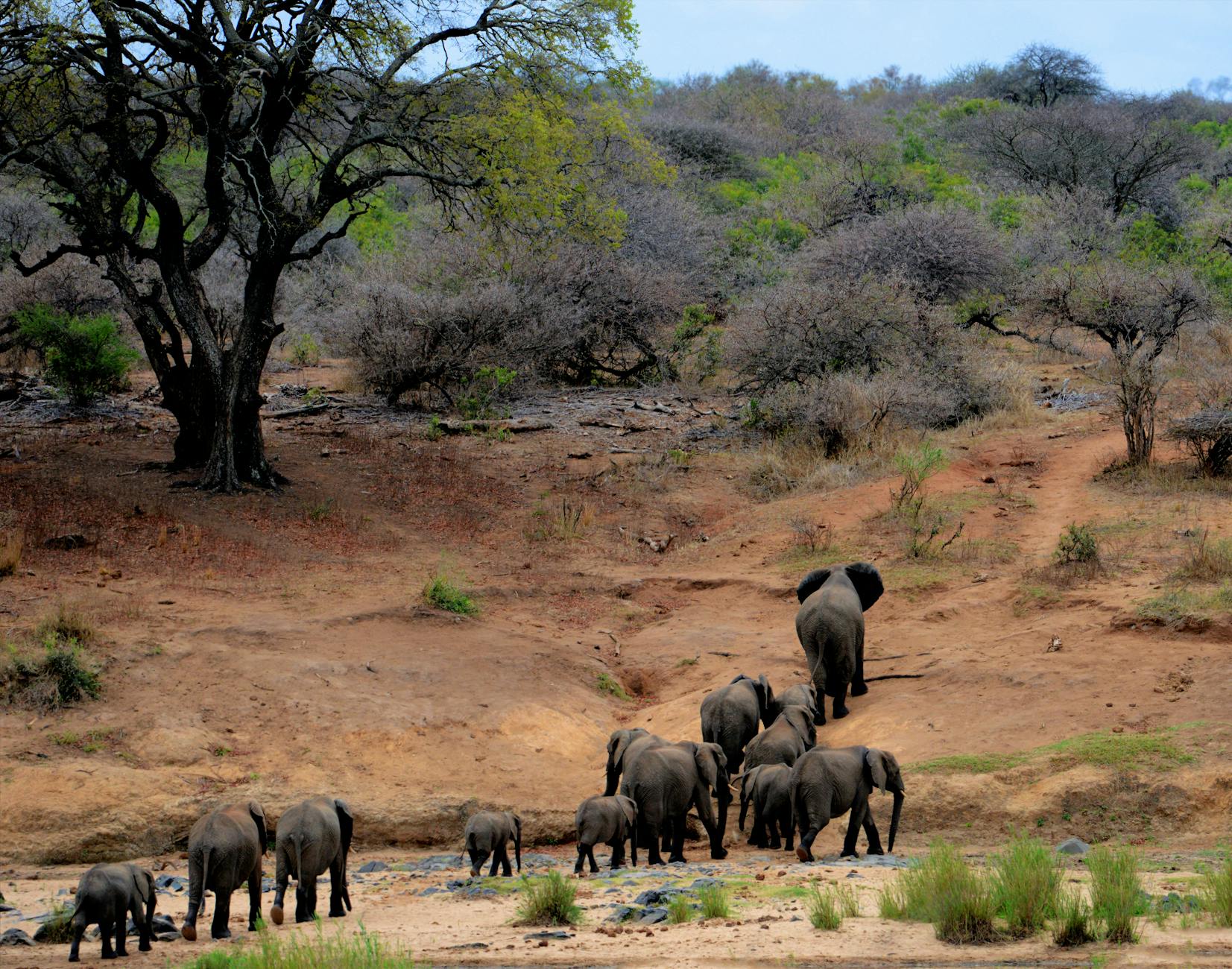
Elephants are the largest land animals on Earth, and their sheer size presents a significant deterrent to most predators. A fully grown African bush elephant can weigh up to six tons, possessing thick skin, powerful tusks, and a robust trunk. These features offer substantial protection against attacks. More importantly, elephants are social creatures, living in matriarchal herds that actively defend their young and vulnerable members. A coordinated defense from a herd of angry elephants can easily deter even the most determined lion pride.
Lion Predation Strategies
Lions are formidable hunters, but their primary strategy revolves around targeting vulnerable prey. This often means focusing on animals that are young, old, sick, or separated from their herd. While adult elephants are generally too risky to attack, lion prides may attempt to prey on elephant calves, particularly if other food sources are scarce. A successful elephant hunt requires the coordination and strength of the entire pride, and even then, the outcome is far from guaranteed. Such attacks are often risky, leading to injuries, or even deaths, for the lions involved.
Environmental Factors and Prey Availability
The availability of alternative prey significantly influences the likelihood of lions attacking elephants. In areas where other ungulates, such as zebras, wildebeest, and antelopes, are abundant, lions are less likely to target elephants. However, during times of drought or when prey populations decline, lions may become more desperate and willing to take greater risks, including confronting elephants.
The Role of Experience and Pride Dynamics
The experience of individual lions and the composition of the pride also play a role. Older, more experienced lions may be more adept at identifying weaknesses in elephant defenses or exploiting opportunities that arise. Larger prides can also bring down larger prey. The presence of multiple lions increases their chances of success and their ability to withstand the counter-attacks of the targeted elephants. The social structure and hunting strategies within a pride are critical for tackling such a challenging hunt.
Evidence of Lion Predation on Elephants
While rare, there are documented instances of lions successfully preying on elephants, especially young ones. These events are more likely to occur in specific areas, such as Botswana’s Savuti region, where lions have adapted to hunt elephants due to unique environmental conditions and limited alternative prey. Studies of lion behavior in these areas have revealed specialized hunting techniques, often involving ambushes and relentless attacks on the elephant calves, aiming to separate them from their protective herd.
Conclusion: A Cautious Relationship
In conclusion, do lions avoid elephants? The answer is generally yes, adult elephants due to the risks involved. However, lions are opportunistic predators, and under certain circumstances, they will attempt to prey on elephants, particularly young or vulnerable individuals. The relationship between these two iconic species is a dynamic interplay of risk and reward, influenced by factors such as age, health, herd size, pride dynamics, and the availability of other prey.
Frequently Asked Questions (FAQs)
Is it common for lions to hunt adult elephants?
No, it is not common. Adult elephants are incredibly difficult and dangerous prey. Lions typically target smaller, weaker animals such as zebras, wildebeest, and antelopes. Attacking an adult elephant poses a significant risk of injury or death for the lions involved.
Do lions ever target baby elephants?
Yes, lion prides will sometimes attempt to hunt elephant calves. The calves are more vulnerable and represent a more realistic target for a pride of lions. However, even hunting a calf is a challenging endeavor, as the mother and other members of the herd will fiercely defend the young one.
What makes elephants so difficult for lions to kill?
Elephants are challenging to kill due to their sheer size, thick skin, and powerful defenses. Their tusks can inflict serious wounds, and their trunks can knock lions off their feet. Additionally, elephants live in closely knit herds that will aggressively defend their members.
Are there specific lion populations that specialize in hunting elephants?
Yes, there are some lion populations, particularly in regions like Botswana’s Savuti, where lions have adapted to hunt elephants due to the scarcity of other prey. These lions have developed specialized hunting techniques to overcome the elephant’s defenses.
How do elephant herds protect themselves from lions?
Elephant herds employ several strategies to protect themselves from lions. They form a defensive circle around the young, using their size and tusks to ward off attackers. They also communicate through vocalizations and physical displays to coordinate their defense.
What is the role of the matriarch in protecting the herd from lions?
The matriarch plays a crucial role in protecting the herd. She is typically the oldest and most experienced female in the herd and leads the defense against predators. Her knowledge of the environment and her ability to assess threats are invaluable in ensuring the herd’s safety.
Do lions and elephants ever coexist peacefully?
Yes, lions and elephants often coexist peacefully in the same areas, as long as the lions have access to sufficient alternative prey and the elephants don’t feel threatened. They generally ignore each other unless a specific situation arises that triggers conflict.
What happens when lions and elephants clash?
When lions and elephants clash, the outcome can be violent. If lions attack an elephant calf, the mother and other herd members will fiercely defend the young one, potentially injuring or killing some of the lions. If lions successfully kill an elephant, it provides a large amount of food for the pride.
How does drought affect the relationship between lions and elephants?
Droughts can intensify the conflict between lions and elephants. When water and food become scarce, lions may be more desperate to hunt larger prey, including elephants, and elephants may be forced to travel further to find resources, making them more vulnerable to attack.
Is there any evidence that elephants remember or learn from lion attacks?
Yes, there is evidence that elephants remember and learn from lion attacks. Elephants are highly intelligent animals with excellent memories. They can remember specific locations where they have encountered lions and may avoid those areas in the future.
How does human activity impact the interaction between lions and elephants?
Human activity, such as habitat loss and poaching, can negatively impact the interaction between lions and elephants. Habitat loss can reduce the availability of prey for lions, leading them to target elephants more frequently. Poaching can disrupt elephant social structures and make them more vulnerable to attack.
Are there conservation efforts aimed at minimizing conflict between lions and elephants?
Yes, various conservation efforts aim to minimize conflict between lions and elephants. These efforts include protecting and restoring their habitat, managing water resources, promoting community-based conservation programs, and educating people about the importance of coexistence. Ultimately, ensuring both species thrive requires proactive and sustainable conservation strategies.