

Why Are There No Bears in Texas? The Unbearable Truth
While Texas once hosted a thriving bear population, the primary reason why there are no bears in Texas is habitat loss and overhunting, leading to their near-total extirpation. A small, reintroduced population of black bears in the Big Bend region represents the only natural bear presence today.

A Brief History of Bears in Texas
Texas, with its diverse landscapes ranging from dense forests to arid deserts, was historically home to several bear species. The most prominent was the American black bear (Ursus americanus). Grizzly bears (Ursus arctos horribilis) also roamed parts of the state, particularly in the western mountains. However, their presence declined sharply with European settlement and expansion.
The narrative of bears in Texas is a cautionary tale of human-wildlife conflict. As settlers moved westward, they cleared forests for agriculture and livestock grazing, drastically reducing the bears’ natural habitat. This deforestation not only decreased food availability but also forced bears into closer proximity with humans, leading to increased instances of livestock depredation.
What colours are fish most attracted to?
Can you put your finger in a trout's mouth?
Is methylene blue anti bacterial?
Does aquarium salt raise pH in aquarium?
The Impact of Human Settlement

- Habitat Loss: The conversion of forests and grasslands into farmland and ranchland was a major contributor to the bear population decline.
- Hunting and Trapping: Bears were hunted for their meat, fur, and perceived threat to livestock. Unregulated hunting practices further decimated their numbers.
- Conflict with Livestock: Bears were often viewed as pests and targeted for preying on cattle and sheep.
The Near Extirpation
By the early 20th century, bears had been effectively eliminated from most of Texas. The grizzly bear was the first to disappear, followed by a severe decline in the black bear population. Only a few isolated populations managed to survive in the remote, mountainous regions of West Texas, primarily in Big Bend National Park. This area served as a refuge, protecting the last remaining bears from complete extirpation.
The Black Bear Comeback
Efforts to reintroduce and protect black bears in the Big Bend region have met with some success. These bears, often migrating from Mexico, have slowly begun to repopulate the area. While the population remains relatively small, it represents a significant step towards restoring a native species to the Texas landscape. The ongoing presence of these bears is a testament to the resilience of wildlife and the potential for conservation efforts to succeed.
Current Status and Conservation Efforts
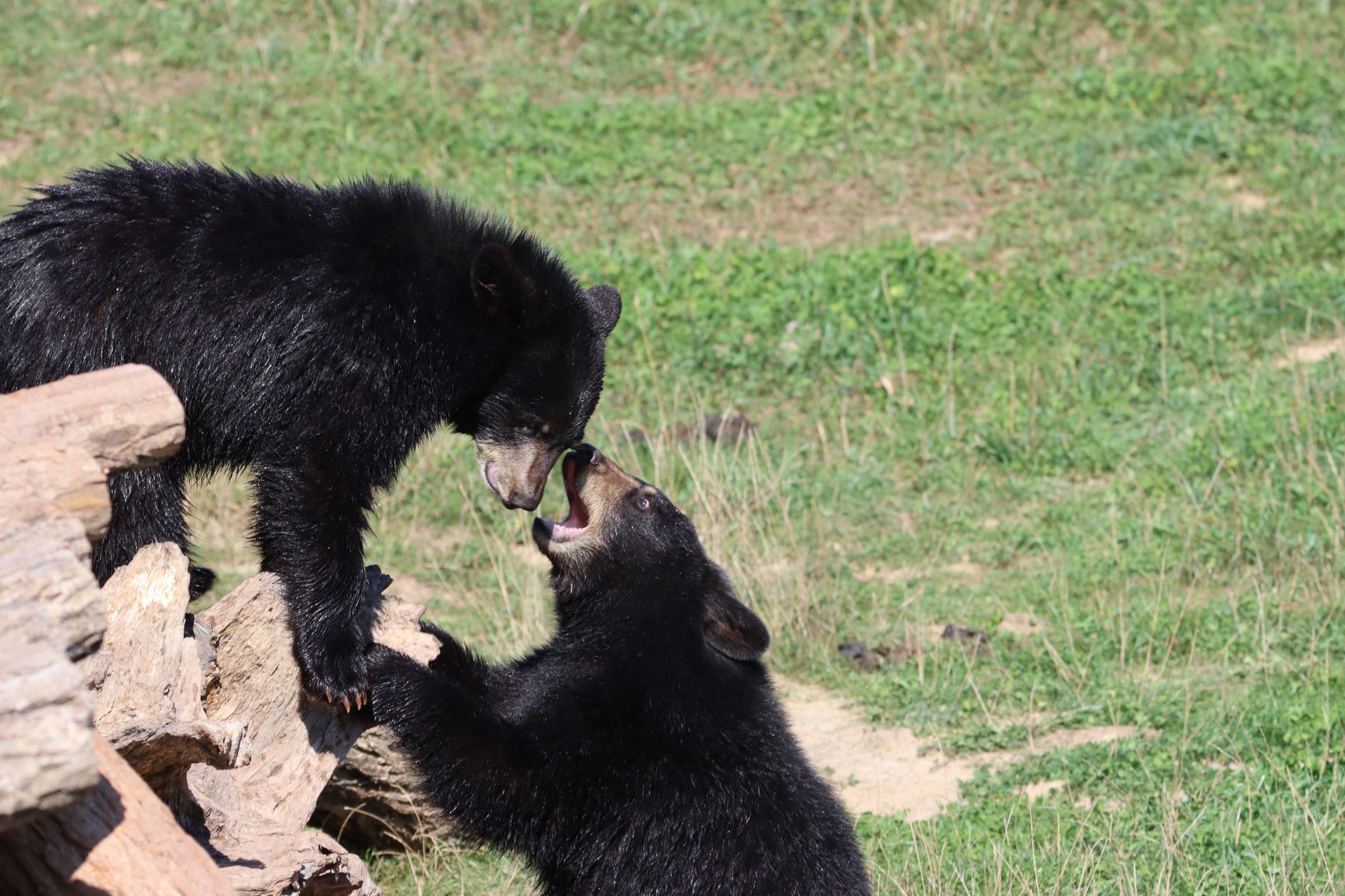
Today, the American black bear is the only bear species found in Texas. The majority of these bears reside in the Trans-Pecos region of West Texas. The Texas Parks and Wildlife Department (TPWD) monitors bear populations, conducts research, and implements conservation strategies to ensure their long-term survival.
- Population Monitoring: TPWD uses various methods to track bear populations, including camera traps and DNA analysis.
- Habitat Management: Efforts are focused on maintaining and restoring suitable bear habitat.
- Public Education: Educating the public about bear behavior and safety is crucial for minimizing human-bear conflicts.
Future Prospects
The future of bears in Texas depends on continued conservation efforts and public support. Maintaining suitable habitat, reducing human-wildlife conflict, and promoting responsible hunting practices are essential for ensuring that bears have a place in the Texas landscape for generations to come. While why are there no bears in Texas a prevalent sentiment, the slow repopulation offers hope.
Understanding Bear Behavior
- Bears are generally shy and avoid humans.
- They are opportunistic feeders and will eat a variety of foods, including plants, insects, and occasionally, small animals.
- Proper food storage and waste management are essential for preventing bears from becoming habituated to human food sources.
- If you encounter a bear, remain calm, avoid direct eye contact, and slowly back away.
| Species | Historical Range | Current Range | Status |
|---|---|---|---|
| Grizzly Bear | Western Mountains | Extirpated | Extinct |
| American Black Bear | Statewide | Trans-Pecos Region (small pop.) | Recovering |
Frequently Asked Questions (FAQs)
Why did bears disappear from most of Texas?
The primary reason why are there no bears in Texas today is habitat destruction combined with overhunting. As Texas was settled, forests were cleared for agriculture and livestock grazing, reducing the bear’s natural food sources and shelter. Additionally, unregulated hunting decimated their numbers.
Are there any grizzly bears left in Texas?
No, grizzly bears are considered extirpated from Texas. They were last seen in the early 20th century and have not been confirmed in the state since.
What kind of bears are currently found in Texas?
The only bear species found in Texas today is the American black bear. They are primarily located in the Trans-Pecos region of West Texas, especially around Big Bend National Park.
Are black bears dangerous to humans?
While black bears are powerful animals, attacks on humans are rare. Most bears are shy and will avoid contact with people if given the opportunity. Taking precautions such as storing food properly and making noise while hiking can further reduce the risk of encounters.
What should I do if I encounter a black bear while hiking in Texas?
If you encounter a black bear, remain calm and avoid direct eye contact. Slowly back away while speaking in a calm, firm voice. Do not run, as this may trigger the bear’s predatory instincts. Make yourself appear larger by raising your arms or opening your jacket. If the bear approaches, use bear spray if you have it.
What is the Texas Parks and Wildlife Department doing to protect bears?
The Texas Parks and Wildlife Department (TPWD) monitors bear populations, manages their habitat, and educates the public about bear safety. These efforts are crucial for ensuring the long-term survival of bears in Texas.
Where is the best place to see bears in Texas?
The best place to see bears in Texas is in the Trans-Pecos region of West Texas, particularly around Big Bend National Park. However, bear sightings are still relatively rare, even in these areas.
What do black bears in Texas eat?
Black bears are opportunistic omnivores. Their diet consists of a variety of foods, including berries, nuts, fruits, insects, plants, and occasionally small animals. They are adaptable to different food sources depending on availability.
How are bears migrating from Mexico affecting the Texas population?
- Bears migrating from Mexico contribute to the genetic diversity and population growth of bears in Texas. These migrations help to re-establish bear populations in areas where they were previously absent.
Are there any plans to reintroduce grizzly bears to Texas?
Currently, there are no plans to reintroduce grizzly bears to Texas. The focus remains on conserving and managing the existing black bear population. Reintroducing grizzly bears would likely face significant challenges due to habitat limitations and potential human-wildlife conflict.
What are the biggest threats to black bears in Texas today?
The biggest threats to black bears in Texas include habitat loss, human-caused mortality (vehicle collisions and illegal hunting), and habitat fragmentation. Addressing these threats is essential for ensuring the continued recovery of the bear population.
How can I help protect bears in Texas?
You can help protect bears in Texas by supporting conservation efforts, practicing responsible outdoor recreation, avoiding feeding bears, and reporting any bear sightings to the Texas Parks and Wildlife Department. By taking these steps, you can contribute to the long-term survival of bears in Texas.