

What is Poisonous for Hedgehogs?
Several seemingly harmless substances in gardens and homes can be deadly to hedgehogs. This article will detail what is poisonous for hedgehogs?, covering common garden chemicals, foods, and other hazards, and explaining how to protect these vulnerable creatures.
Introduction: The Vulnerability of Hedgehogs
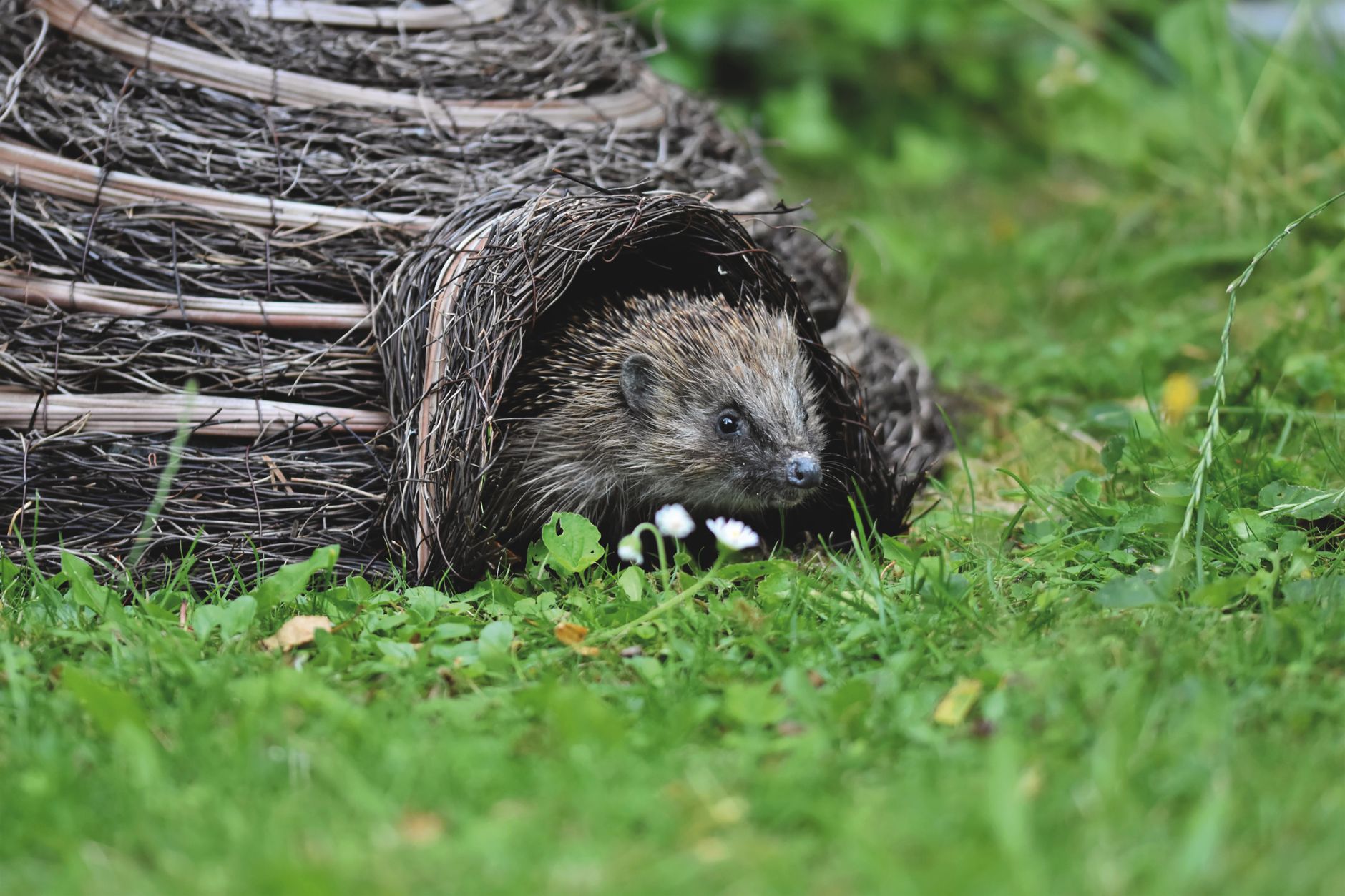
Hedgehogs, those charming and increasingly rare visitors to our gardens, face numerous threats. Habitat loss, road traffic, and predators all contribute to their declining numbers. However, one often overlooked danger is poisoning. Many substances commonly found in our homes and gardens can be severely harmful, even fatal, to these little creatures. Understanding what is poisonous for hedgehogs? and taking preventative measures is crucial for their survival.

What colours are fish most attracted to?
Can you put your finger in a trout's mouth?
Is methylene blue anti bacterial?
Does aquarium salt raise pH in aquarium?
Common Garden Poisons

Our gardens, intended as havens for wildlife, can inadvertently become minefields. Many products designed to protect plants and control pests pose a significant risk to hedgehogs.
- Slug Pellets: Perhaps the most notorious offender, slug pellets containing metaldehyde are highly toxic. Hedgehogs consume slugs, either directly or by eating poisoned slugs, leading to neurological damage, seizures, and death. Alternatives like copper tape, nematodes, or beer traps are much safer for hedgehogs.
- Pesticides and Herbicides: While direct poisoning is less common, hedgehogs can ingest pesticides and herbicides by consuming contaminated insects or plants. The accumulation of these chemicals in their system can weaken their immune system, making them more susceptible to diseases and other environmental stressors. Always opt for organic gardening methods where possible.
- Rodenticides: Used to control rats and mice, rodenticides pose a serious threat to hedgehogs. They work by interfering with blood clotting, leading to internal bleeding. Hedgehogs can be poisoned either by directly consuming the bait or by eating a poisoned rodent. The impact on hedgehogs can be devastating.
- Fertilizers: While generally less toxic than other chemicals, some fertilizers can still cause digestive upset and skin irritation if ingested. Store fertilizers securely and avoid spreading them in areas where hedgehogs are likely to forage.
Toxic Foods
While well-meaning, offering the wrong foods can also be detrimental to hedgehog health.
- Cow’s Milk: Hedgehogs are lactose intolerant. Feeding them cow’s milk can cause severe diarrhea, dehydration, and even death. If you want to offer a drink, provide shallow dishes of water.
- Bread: While often given as a treat, bread offers little nutritional value and can fill hedgehogs up, preventing them from eating nutritious foods.
- Avocado: Persin, a fungicidal toxin present in avocados, can be poisonous to hedgehogs. Avoid leaving any discarded avocado remains in areas accessible to them.
- Grapes and Raisins: While the exact mechanism is unknown, grapes and raisins can cause kidney failure in hedgehogs.
Other Potential Hazards
Beyond garden chemicals and foods, other seemingly innocuous items can pose a threat.
- Garden Netting: Hedgehogs can easily become entangled in garden netting, especially fine mesh varieties. This can lead to starvation, injury, and even death. Always secure netting properly and check it regularly.
- Deep Ponds and Pools: Hedgehogs are surprisingly good swimmers, but they can drown if they can’t escape deep ponds or pools. Provide ramps or shallow areas to allow them to climb out.
- Litter: Discarded food containers, plastic bags, and other litter can pose entanglement and ingestion hazards. Properly dispose of all waste.
- Glue Traps: These traps designed to catch rodents are indiscriminate and can trap hedgehogs, causing significant suffering and eventual death. Avoid using glue traps entirely.
Protecting Hedgehogs: A Call to Action
Protecting hedgehogs from poisoning requires a multifaceted approach. It is vital to understand what is poisonous for hedgehogs?, make conscious choices about garden and household products, and take proactive measures to create a safe environment for these vulnerable creatures.
- Choose Pet-Safe Products: When selecting garden chemicals and rodenticides, always opt for pet-safe alternatives or avoid using them altogether.
- Provide Safe Food and Water: Offer appropriate food, such as hedgehog-specific food or cat food (not fish-based), and fresh water in shallow dishes.
- Create Safe Access: Ensure hedgehogs can easily access your garden through gaps in fences or under gates.
- Be Vigilant: Regularly check your garden for potential hazards and take steps to eliminate them.
Table: Common Poisons and Their Effects on Hedgehogs
| Poison | Source | Effects | Safe Alternatives |
|---|---|---|---|
| Metaldehyde | Slug Pellets | Neurological damage, seizures, death | Copper tape, nematodes, beer traps |
| Rodenticides | Rat/Mouse Poison | Internal bleeding, death | Trapping, preventing access to food sources |
| Cow’s Milk | Dairy Products | Diarrhea, dehydration, death | Water |
| Garden Netting | Gardens | Entanglement, starvation, injury, death | Secure netting tightly, use larger mesh sizes |
| Antifreeze | Cars | Kidney Failure, Death (Even small amounts) | Immediately clean spills, avoid leaving it uncovered |
Frequently Asked Questions (FAQs)
What should I do if I think a hedgehog has been poisoned?
If you suspect a hedgehog has been poisoned, immediately contact a local wildlife rescue organization or veterinarian. Symptoms can include stumbling, disorientation, seizures, and vomiting. The faster you act, the better the chance of saving the hedgehog.
Is it safe to use weed killer in my garden if I have hedgehogs?
It is generally advisable to avoid using weed killer if you have hedgehogs in your garden. Even if the weed killer is not directly toxic to hedgehogs, it can kill off the insects and other invertebrates that they rely on for food. Opt for manual weeding or use natural alternatives.
Can hedgehogs get poisoned by eating earthworms?
Yes, hedgehogs can be poisoned by eating earthworms that have been exposed to pesticides or herbicides. Earthworms absorb these chemicals from the soil, and when a hedgehog consumes them, the toxins are transferred to the hedgehog.
What are the signs of rodenticide poisoning in hedgehogs?
The signs of rodenticide poisoning in hedgehogs can include lethargy, weakness, pale gums, bleeding from the nose or mouth, and difficulty breathing. These symptoms can develop several days after exposure. Immediate veterinary attention is crucial.
Are essential oils poisonous to hedgehogs?
Many essential oils are toxic to hedgehogs. These oils can be absorbed through the skin or inhaled, causing respiratory irritation, neurological damage, and liver problems. Avoid using essential oils around hedgehogs.
What kind of food should I leave out for hedgehogs?
The best food to leave out for hedgehogs is specifically formulated hedgehog food. You can also offer meaty cat or dog food (not fish-based), mealworms (in moderation), and fresh water. Avoid cow’s milk, bread, and sugary treats.
Can hedgehogs eat dog biscuits?
Dry dog biscuits can be offered to hedgehogs in moderation. Make sure they are not too large or hard, as they could pose a choking hazard. Wet dog food is generally a better option as it is easier to digest.
Is it safe to compost in my garden if I have hedgehogs?
Composting is generally safe for hedgehogs, but it is important to take precautions. Avoid adding meat, dairy, or oily foods to your compost pile, as these can attract rodents. Also, be careful when turning the compost pile, as hedgehogs may nest inside.
How can I prevent hedgehogs from falling into my swimming pool?
The best way to prevent hedgehogs from falling into your swimming pool is to cover it when not in use. You can also install a ramp or floating device to allow hedgehogs to climb out if they do fall in.
Are slug pellets containing ferric phosphate safe for hedgehogs?
Slug pellets containing ferric phosphate are considered less toxic to hedgehogs than those containing metaldehyde. However, they can still pose a risk if ingested in large quantities, so it is best to use them sparingly and only when necessary. Consider other alternatives, such as copper tape.
What plants are poisonous to hedgehogs?
While hedgehogs don’t usually eat plants, some plants, like daffodils, foxglove, and lily of the valley, are poisonous and could cause illness if ingested. Keep these plants out of reach.
How can I raise awareness about hedgehog poisoning in my community?
You can raise awareness about hedgehog poisoning by sharing information with your neighbors, posting flyers in your community, and contacting local media outlets. Educating others about the dangers of pesticides, toxic foods, and other hazards is crucial for protecting these vulnerable creatures.