
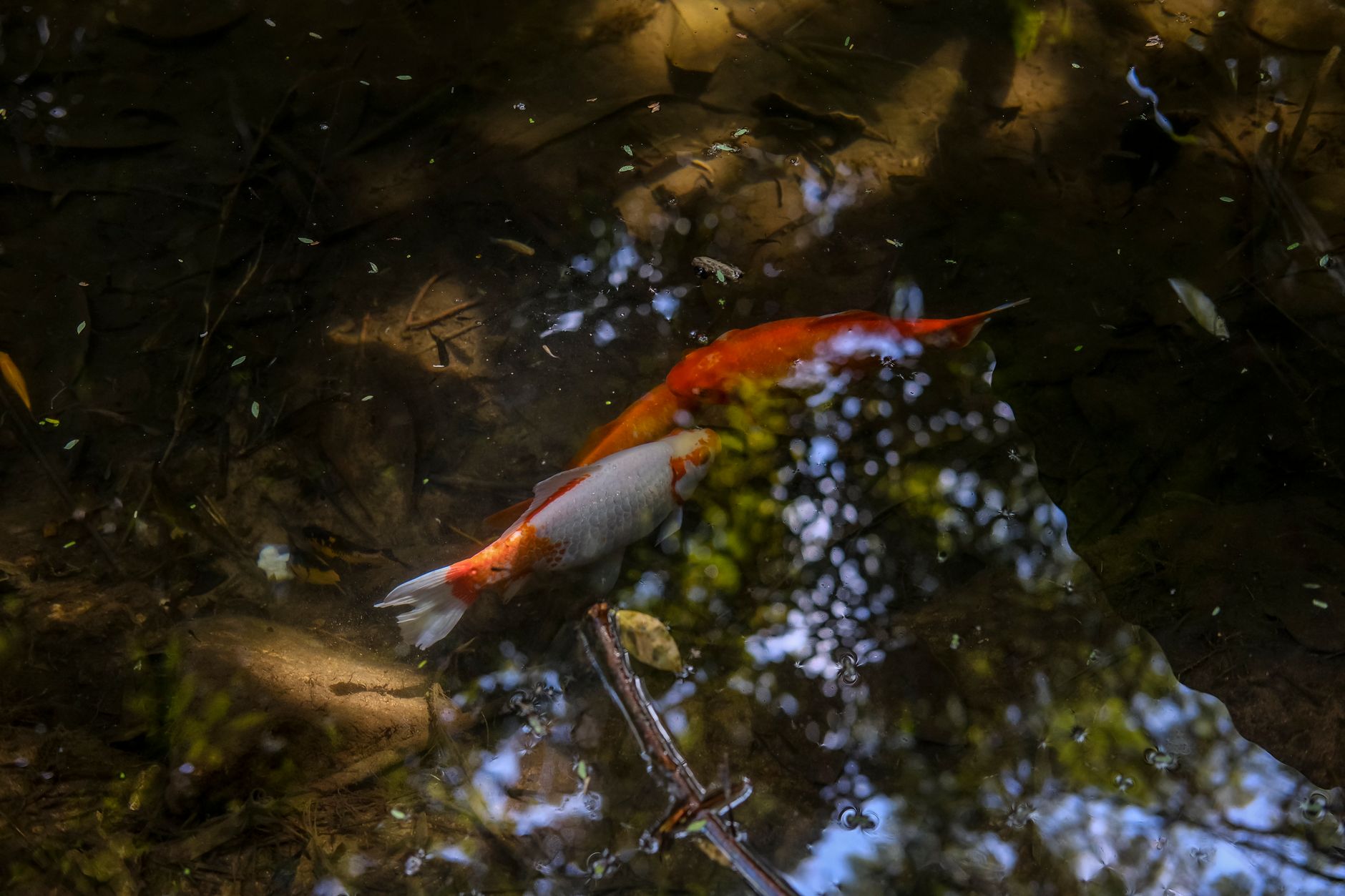
Why Are My Koi Fish Not Very Active? Understanding Koi Lethargy
Is your prized koi pond looking less vibrant than usual? Many factors can contribute to decreased activity levels in koi, but it primarily boils down to water quality, temperature swings, disease, and inadequate nutrition. Let’s dive deep into the potential causes and what you can do to bring back the playful energy to your aquatic friends.

Introduction: More Than Just Lazy Fish
Koi, renowned for their beauty and graceful movements, are typically active swimmers. When these magnificent fish exhibit lethargy or a noticeable decrease in activity, it signals a potential underlying issue that demands attention. Understanding the reasons why are my koi fish not very active? is crucial for responsible koi keeping and ensuring the health and longevity of your scaled companions. Neglecting these signs can lead to serious health problems and even death. This article will explore the various factors contributing to koi inactivity, providing you with the knowledge to diagnose and address these concerns effectively.

How intelligent are fish?
Are fish heads good for the garden?
Can fish hear water?
What is cotton rot in fish?
Decoding the Sluggish Swim: Potential Causes

Several factors can contribute to inactivity in koi fish. Accurately identifying the cause is the first step to rectifying the issue. Here are some of the most common culprits:
- Poor Water Quality: This is the number one reason for inactive koi. High levels of ammonia, nitrites, and nitrates, as well as improper pH levels, can stress and weaken your fish.
- Temperature Fluctuations: Koi are cold-blooded, and sudden or extreme temperature changes can shock their system, leading to reduced activity.
- Disease and Parasites: Bacterial infections, fungal diseases, and parasitic infestations can all sap a koi’s energy.
- Oxygen Depletion: Low dissolved oxygen levels in the pond can suffocate fish, leading to lethargy.
- Inadequate Nutrition: A diet lacking essential nutrients can weaken a koi’s immune system and reduce its energy levels.
- Overcrowding: Too many fish in a small pond creates competition for resources and contributes to poor water quality, stressing the koi.
- Age: Older koi may naturally be less active than younger ones.
Water Quality: The Foundation of Koi Health
Maintaining optimal water quality is paramount to the well-being of your koi. Testing your water regularly is non-negotiable.
- Ammonia: A toxic byproduct of fish waste. Should be at zero.
- Nitrite: Another toxic byproduct, converted from ammonia by beneficial bacteria. Should also be at zero.
- Nitrate: Less toxic than ammonia and nitrite, but high levels can still stress fish. Aim for below 20 ppm.
- pH: A measure of acidity or alkalinity. Koi thrive in a pH range of 7.0 to 8.5.
| Parameter | Ideal Range | Action if Outside Range |
|---|---|---|
| Ammonia (NH3) | 0 ppm | Water change, improve filtration |
| Nitrite (NO2) | 0 ppm | Water change, improve biofiltration |
| Nitrate (NO3) | < 20 ppm | Water change, add plants |
| pH | 7.0 – 8.5 | Adjust with appropriate chemicals (carefully!) |
Regular partial water changes (10-20% weekly) are essential to maintain good water quality. A robust filtration system, including mechanical, biological, and chemical components, is also critical.
Temperature and Seasonal Changes
Koi activity levels naturally fluctuate with the seasons. In colder months, they may become less active and even enter a state of semi-hibernation. However, sudden temperature drops or fluctuations can stress them. Consider these strategies:
- Pond Depth: A deeper pond provides a more stable temperature environment.
- Pond Heater: In extremely cold climates, a pond heater can prevent the water from freezing completely and maintain a more consistent temperature.
- Shade: Providing shade during the hottest part of the day can prevent the water from overheating.
Disease and Parasite Control
If poor water quality and temperature fluctuations aren’t the cause, disease and parasites could be why are my koi fish not very active? Examine your fish closely for signs of illness, such as:
- White spots: Indicates Ich (a parasitic infection).
- Frayed fins: Can be a sign of bacterial fin rot.
- Ulcers or sores: Suggest bacterial infections.
- Excessive mucus: Indicates stress or parasitic infection.
- Clamped fins: A general sign of illness.
- Erratic swimming: Possible swim bladder disorder or parasite infection.
Consult a qualified aquatic veterinarian for diagnosis and treatment. Early intervention is key to a successful recovery.
Diet and Nutrition: Fueling Activity
A well-balanced diet is crucial for koi health and activity levels. Use high-quality koi food that contains the necessary vitamins, minerals, and proteins.
- Protein: Essential for growth and repair.
- Carbohydrates: Provide energy.
- Fats: Necessary for vitamin absorption.
- Vitamins and Minerals: Support immune function and overall health.
Feed your koi several small meals throughout the day rather than one large meal. Adjust the amount of food based on the water temperature and the fish’s activity level. Avoid overfeeding, as this can contribute to poor water quality. In the winter, reduce feeding significantly or stop entirely when water temperatures drop below 50°F (10°C).
Overcrowding and Pond Dynamics
An overcrowded pond contributes to poor water quality, increased stress, and competition for resources. A general guideline is to allow at least 50 gallons of water per inch of fish. Consider rehoming some of your koi if your pond is overcrowded. Also, ensure there is adequate aeration to maintain sufficient dissolved oxygen levels. A pond pump, waterfall, or air stone can help improve oxygenation.
Addressing Lethargy: A Step-by-Step Approach
When dealing with inactive koi, follow these steps:
- Test your water: Check ammonia, nitrite, nitrate, and pH levels.
- Observe your fish: Look for any signs of disease or parasites.
- Adjust water parameters: Correct any imbalances in water chemistry.
- Increase aeration: Ensure adequate oxygen levels.
- Adjust feeding: Provide a balanced diet and avoid overfeeding.
- Consult a veterinarian: If the problem persists, seek professional help.
Frequently Asked Questions (FAQs)
Why are my koi fish not very active and staying near the bottom of the pond?
Koi staying at the bottom of the pond is often a sign of poor water quality or low oxygen levels. They may be seeking refuge in slightly better conditions at the bottom, but you need to test and rectify the water chemistry quickly. Also check your aeration system is working well.
Why are my koi fish not very active only after a recent water change?
A sudden and drastic water change can actually shock your koi, especially if the new water differs significantly in temperature or pH from the existing pond water. Always condition the water to remove chlorine and chloramine and match the temperature as closely as possible. Gradual water changes are best.
What is the ideal water temperature for koi fish activity?
Koi are most active and thrive in water temperatures between 65°F (18°C) and 75°F (24°C). Below this range, their metabolism slows down, leading to decreased activity.
How do I know if my koi fish have parasites?
Common signs of parasites include flashing (rubbing against objects), excessive mucus, visible parasites on the skin or fins, and lethargy. A microscopic examination of a skin scrape is the best way to confirm a diagnosis.
What type of food is best for increasing koi fish activity?
Choose a high-quality koi food that is rich in protein, vitamins, and minerals. Spring and summer blends tend to have higher protein content to support growth and activity. Consider adding supplements to boost their immune systems.
My koi seem fine in the morning but are less active in the afternoon. Why?
This could be due to increased water temperature as the day progresses, especially in summer. Overheating can stress koi. Make sure there’s shade and consider increasing aeration during the hottest parts of the day.
Can stress cause my koi fish to be inactive?
Yes, stress is a significant factor that can lead to inactivity in koi. Stress can be caused by poor water quality, overcrowding, predators, or sudden changes in their environment.
Why are my baby koi less active than my adult koi?
Baby koi (fry) are often more sensitive to water quality changes and environmental stressors than adult koi. Ensure the water parameters are ideal for young fish and provide a safe and sheltered environment. Also be sure they are getting food of the appropriate size.
How often should I be testing my pond water?
You should test your pond water at least once a week, and more frequently during periods of rapid temperature changes or after adding new fish.
What are some natural ways to improve koi fish activity?
Adding aquatic plants can help improve water quality and provide natural shade and hiding places, reducing stress and promoting activity. Ensure that they’re not a choking hazard for smaller koi.
My koi fish are inactive, but they are still eating. Is this normal?
Even inactive koi might still eat if they’re only mildly stressed or ill. However, it’s still a cause for concern. Investigate potential water quality issues or other underlying problems. A reduction in feeding is generally a sign of more severe issues.
Could my koi fish be inactive because of a bully fish?
Yes, aggressive fish can stress and intimidate other koi, causing them to become withdrawn and inactive. Observe your fish closely to identify any bullies and consider separating them.