

How Long Do Lobsters Scream When You Boil Them? Unveiling the Truth
Lobsters do not actually scream when boiled. This misconception stems from air escaping their shells during the cooking process; they do not possess vocal cords and their nervous systems are not complex enough to experience pain as we understand it.

The Myth of the Lobster Scream
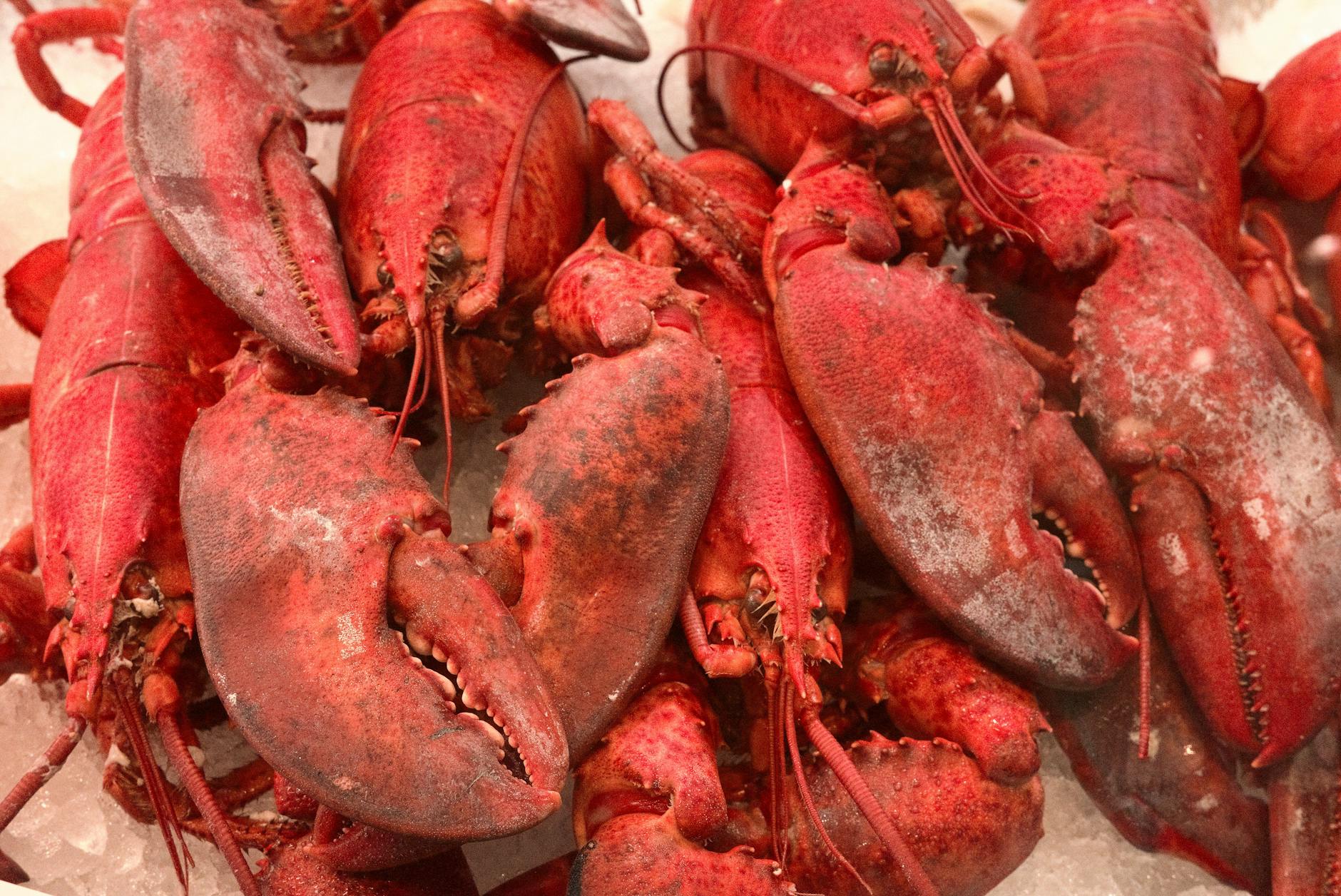
The image of a lobster, claws flailing, emitting a piercing shriek as it’s plunged into boiling water is a powerful and unsettling one. This image fuels the ethical debate surrounding the cooking of these crustaceans. However, the reality is far more nuanced and less dramatic. The sound associated with cooking lobsters is not a scream of pain. It’s important to understand the scientific basis of what’s actually happening. Understanding this truth helps us make more informed ethical decisions about food.
Is distilled water good for goldfish?
What colours are fish most attracted to?
Can you put your finger in a trout's mouth?
Is methylene blue anti bacterial?
The Biology of Lobster “Screams”

Lobsters don’t have vocal cords. The sound you hear is air and steam escaping from the lobster’s shell as it is heated. This process is similar to the hiss of steam escaping from a pressure cooker. The lobster’s exoskeleton isn’t airtight, and the rapid heating causes the air trapped within to expand and be forced out.
Consider these facts:
- Lobsters lack the complex neurological structures needed to process pain in the same way that mammals do.
- Their nervous system is decentralized, meaning they don’t have a central brain to interpret pain signals.
- The “scream” is purely a mechanical phenomenon, not a vocalization of distress.
Understanding Lobster Pain Perception
While lobsters may not scream from pain, the question of whether they feel pain at all is still debated. Research suggests they can detect noxious stimuli and exhibit avoidance behaviors. However, these behaviors don’t necessarily equate to the subjective experience of pain.
- Some studies show that lobsters will avoid situations that they have previously associated with negative stimuli.
- Other research indicates that their response to injury is more akin to a reflex than a conscious experience of pain.
- The debate is ongoing, and the absence of definitive proof of pain doesn’t automatically justify inhumane treatment.
Ethical Considerations When Cooking Lobsters
Even if lobsters don’t experience pain in the same way humans do, it’s still important to treat them with respect and minimize any potential suffering. Several humane cooking methods are recommended:
- Spiking the brain: This involves inserting a knife into the lobster’s head to sever the cerebral ganglia. This is considered the most humane method when done correctly.
- Splitting the lobster: Similar to spiking, this method involves quickly splitting the lobster in half lengthwise to destroy the nervous system.
- Electric stunning: While less common for home cooks, this method involves using an electrical current to render the lobster unconscious before cooking.
Disentangling the Misinformation
The myth of the lobster “scream” has persisted for a long time, often fueled by emotional arguments and misinformation. It’s crucial to rely on scientific evidence and understand the biological facts before drawing conclusions. By understanding the biology and potential for distress, we can all make better informed decisions.
Alternative Cooking Methods
Regardless of how long do lobsters scream when you boil them (they don’t, as discussed!), boiling isn’t the only cooking method. Grilling, steaming, and roasting are all viable options that can result in equally delicious lobster. Each method impacts taste and texture differently, offering a varied culinary experience. Experimenting with these different methods also demonstrates respect by minimizing any unnecessary potential suffering.
Frequently Asked Questions (FAQs)
What exactly is the “screaming” sound, if not a scream?
The sound is caused by steam and air escaping from the lobster’s shell as it’s heated in the boiling water. The exoskeleton isn’t airtight, and the rapid temperature increase forces the air out through small openings.
Do lobsters have brains?
Lobsters have a decentralized nervous system with ganglia (clusters of nerve cells) located throughout their bodies. They don’t have a central brain like mammals do. This difference in neurological structure impacts their ability to process information and experience pain.
Can lobsters feel pain?
The question of whether lobsters feel pain is a complex and debated topic. While they can detect noxious stimuli and exhibit avoidance behaviors, it’s unclear whether they experience pain in the same subjective way that mammals do.
Is it more humane to freeze a lobster before cooking it?
Freezing lobsters before cooking is not generally considered a humane method. It can take a long time for the lobster to die in freezing temperatures, and the process can be stressful.
What’s the most humane way to kill a lobster?
The most humane methods, when performed correctly, are spiking the brain or splitting the lobster lengthwise. These methods aim to quickly destroy the nervous system and minimize any potential suffering.
Does boiling water cook a lobster faster than steaming?
Generally, boiling water cooks a lobster faster than steaming. However, steaming is often preferred for its ability to retain more of the lobster’s natural flavors and moisture.
Does the size of the lobster affect cooking time?
Yes, the size of the lobster significantly affects cooking time. Larger lobsters require longer cooking times to ensure they are cooked through.
Is it safe to eat a lobster that died before cooking?
Eating a lobster that died before cooking is not recommended. Dead lobsters decompose quickly, and toxins can build up, making them unsafe to eat.
Do lobsters have blood?
Lobsters have hemolymph, a bluish fluid that serves as their blood. It contains hemocyanin, a copper-containing protein that carries oxygen.
Do lobsters have a long lifespan?
Lobsters can live for a very long time, with some estimates suggesting they can live for over 100 years. Their growth continues throughout their lives, with larger lobsters being potentially quite old.
Does claw size indicate age?
While claw size can be an indicator of age, it’s not always reliable. Other factors, such as genetics and environmental conditions, can also influence claw size.
How long do you cook a lobster per pound?
A general guideline is to cook a lobster for 8-10 minutes per pound. However, it’s essential to check for doneness to ensure the lobster is properly cooked. You can check for doneness by inserting a fork into the tail; the meat should be opaque and firm.