

What Fish is Closest to Steak? The Deep Dive
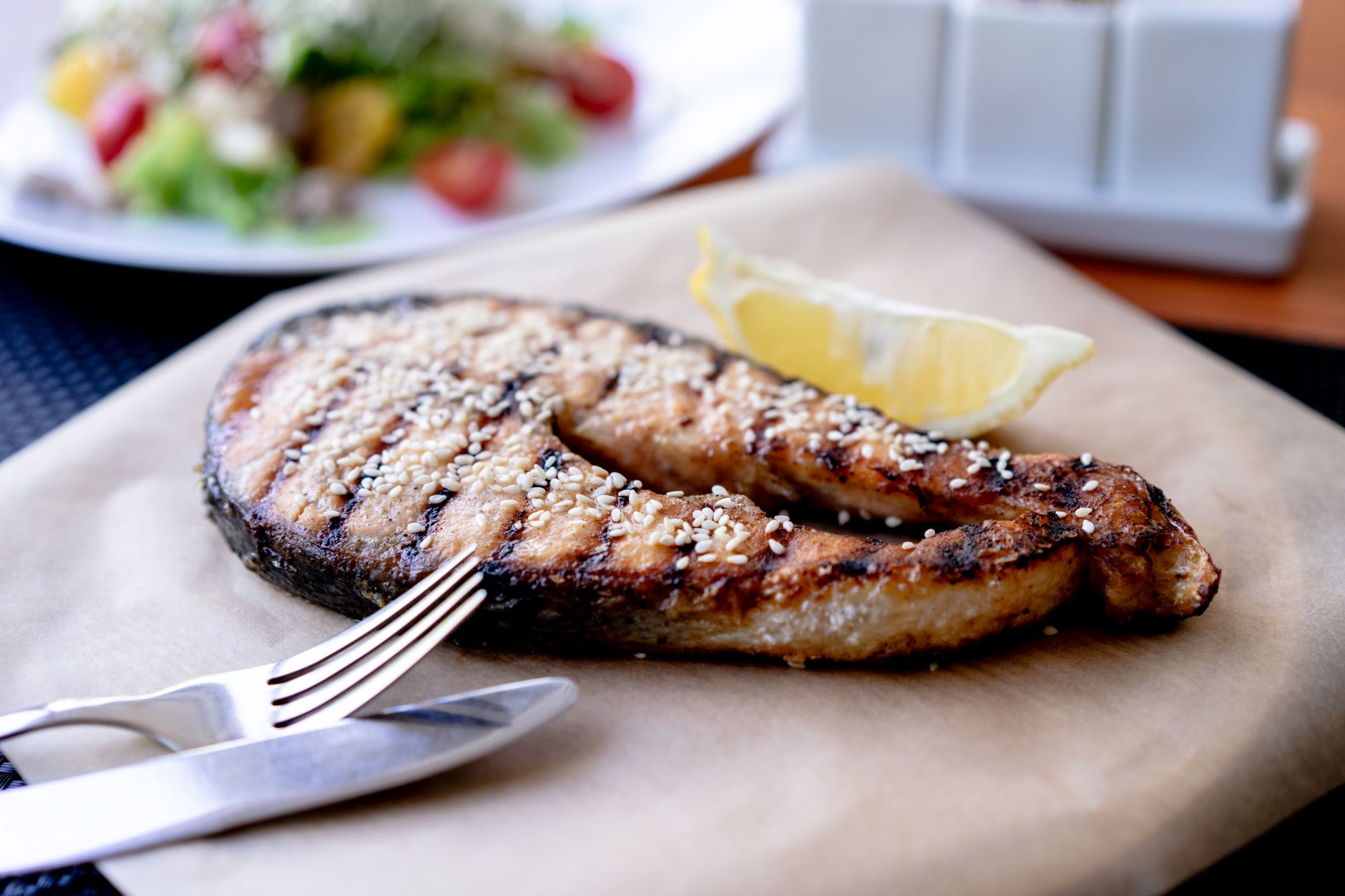
The fish that most closely resembles steak in terms of texture and flavor is generally considered to be the swordfish. Its firm, meaty texture and mild flavor allow it to be prepared in ways similar to steak, making it a surprisingly versatile and satisfying option.

Introduction: Beyond the Fish Stick
For many, the thought of seafood conjures up images of flaky white fish, light and delicate flavors. But what fish is closest to steak? A surprisingly valid question! The answer lies in understanding that not all fish are created equal. Some possess a firmness and richness that rivals beef, making them excellent alternatives for those looking to expand their culinary horizons or simply reduce their red meat consumption. This article will explore the qualities that define a “steak-like” fish, and definitively answer the question of which species reigns supreme.
Are fish heads good for the garden?
Can fish hear water?
What is cotton rot in fish?
What colours are fish most attracted to?
The Qualities of a Steak-Like Fish

Identifying a fish that resembles steak requires examining several key characteristics:
- Texture: The ideal “steak-like” fish should have a firm, dense texture that holds its shape well when cooked. It shouldn’t flake apart easily like cod or haddock.
- Flavor: While no fish will taste exactly like beef, a mild, slightly meaty flavor is preferable. Strong, “fishy” flavors detract from the steak-like experience.
- Fat Content: A higher fat content contributes to a richer flavor and a more tender, juicy final product. Lean fish tend to dry out more easily when cooked at higher temperatures, as steaks often are.
- Versatility: The ability to be grilled, pan-seared, or broiled without falling apart is essential. “Steak-like” fish should also pair well with common steak sauces and seasonings.
Swordfish: The Reigning Champion
Among the various fish species, swordfish stands out as the closest contender to steak. Its qualities align perfectly with the criteria outlined above:
- Texture: Swordfish boasts a remarkably firm and dense texture. Its muscular body allows it to maintain its shape during cooking, preventing it from flaking apart.
- Flavor: Swordfish has a relatively mild and subtly sweet flavor that doesn’t overpower other ingredients. This allows it to be seasoned and sauced in ways similar to steak.
- Fat Content: Swordfish is relatively high in fat compared to many other fish, contributing to its richness and preventing it from drying out during cooking.
- Versatility: Swordfish is incredibly versatile and can be grilled, pan-seared, or broiled to perfection. It also stands up well to bold flavors and sauces.
Other Contenders: Honorable Mentions
While swordfish is the clear frontrunner, other fish exhibit some steak-like characteristics:
- Tuna (especially Yellowfin or Bigeye): Tuna steaks are popular for a reason. They have a firm texture and a rich, almost meaty flavor, especially when seared rare. However, they can be more prone to drying out than swordfish.
- Mahi-Mahi: Mahi-Mahi offers a firm texture and a mild, slightly sweet flavor. While not as fatty as swordfish or tuna, it can still be a good option when cooked carefully.
- Monkfish: Often referred to as “poor man’s lobster,” monkfish has a dense, meaty texture that can be surprisingly steak-like. However, its flavor is more distinctive and briny.
Cooking Techniques for Steak-Like Fish
To truly capture the steak-like experience, consider these cooking techniques:
- High Heat: Use high heat when grilling or pan-searing to create a beautiful sear on the outside while keeping the inside moist.
- Simple Seasoning: Start with simple seasonings like salt, pepper, and garlic powder to allow the natural flavor of the fish to shine.
- Resting: Just like steak, allow the fish to rest for a few minutes after cooking to allow the juices to redistribute, resulting in a more tender and flavorful final product.
- Pairings: Consider pairing your fish with steak-like sides like roasted vegetables, mashed potatoes, or a creamy sauce.
Nutritional Benefits of “Steak-Like” Fish
Choosing a fish like swordfish over steak offers several nutritional advantages:
- Lower in Saturated Fat: Fish is generally lower in saturated fat than beef, making it a heart-healthier option.
- Rich in Omega-3 Fatty Acids: “Steak-like” fish are excellent sources of omega-3 fatty acids, which are beneficial for brain health and reducing inflammation.
- High in Protein: Fish is a complete protein source, providing all the essential amino acids your body needs.
Common Mistakes When Cooking Steak-Like Fish
Avoiding these common mistakes will help you achieve perfectly cooked, steak-like fish:
- Overcooking: Overcooking is the biggest culprit. Fish continues to cook after being removed from the heat, so pull it off the grill or pan when it’s slightly underdone.
- Using Low-Quality Fish: Start with the freshest, highest-quality fish you can find. This will make a huge difference in the final flavor and texture.
- Skipping the Seasoning: Don’t be afraid to season your fish generously. Salt and pepper are essential, but feel free to experiment with other flavors.
Sustainability Considerations
When choosing “steak-like” fish, it’s important to consider sustainability. Look for fish that is certified sustainable by organizations like the Marine Stewardship Council (MSC) or the Monterey Bay Aquarium’s Seafood Watch. Avoid buying fish that are overfished or caught using destructive fishing methods.
Frequently Asked Questions (FAQs)
Is swordfish safe to eat?
Swordfish can contain higher levels of mercury than some other fish species. Pregnant women and young children should limit their consumption. Consult with your doctor for personalized advice.
What does swordfish taste like?
Swordfish has a mild, slightly sweet flavor that is often described as being similar to chicken or pork. It’s not overly “fishy” and readily absorbs the flavors of seasonings and sauces.
How do I know when swordfish is cooked through?
Swordfish is cooked when it reaches an internal temperature of 145°F (63°C). The flesh should be opaque and firm to the touch. Avoid overcooking, as it will become dry and tough.
Can I grill swordfish?
Yes, swordfish is excellent grilled. Brush the grill grates with oil to prevent sticking and cook over medium-high heat for 4-5 minutes per side, or until done.
What sauces go well with swordfish?
Swordfish pairs well with a variety of sauces, including lemon butter sauce, chimichurri sauce, and teriyaki sauce. Consider sauces you’d typically enjoy with steak.
Is tuna healthier than swordfish?
Both tuna and swordfish are healthy choices, but their nutritional profiles differ slightly. Tuna is often higher in omega-3 fatty acids, while swordfish may be slightly lower in calories.
How do I prevent fish from sticking to the grill?
Ensure your grill grates are clean and well-oiled. You can also use a fish basket or grill mat to prevent sticking.
What is the best way to store fresh fish?
Store fresh fish in the coldest part of your refrigerator (ideally on ice) and use it within 1-2 days.
Can I freeze swordfish?
Yes, you can freeze swordfish for up to 3 months. Wrap it tightly in plastic wrap and then place it in a freezer bag to prevent freezer burn.
What are the signs of spoiled fish?
Signs of spoiled fish include a strong, unpleasant odor, a slimy texture, and dull or sunken eyes. Discard any fish that exhibits these signs.
What’s the best way to thaw frozen swordfish?
The safest and best way to thaw frozen swordfish is in the refrigerator overnight. You can also thaw it in cold water, but be sure to use it immediately after thawing.
What fish is closest to steak for someone who dislikes fishy flavors?
If you dislike fishy flavors, swordfish is still the best option because of its mild flavor and meaty texture. However, consider trying monkfish prepared in a pan with butter and garlic for a less fishy, yet still “steak-like” experience.