

Why Are House Cats So Small Compared to Tigers? The Science of Feline Size
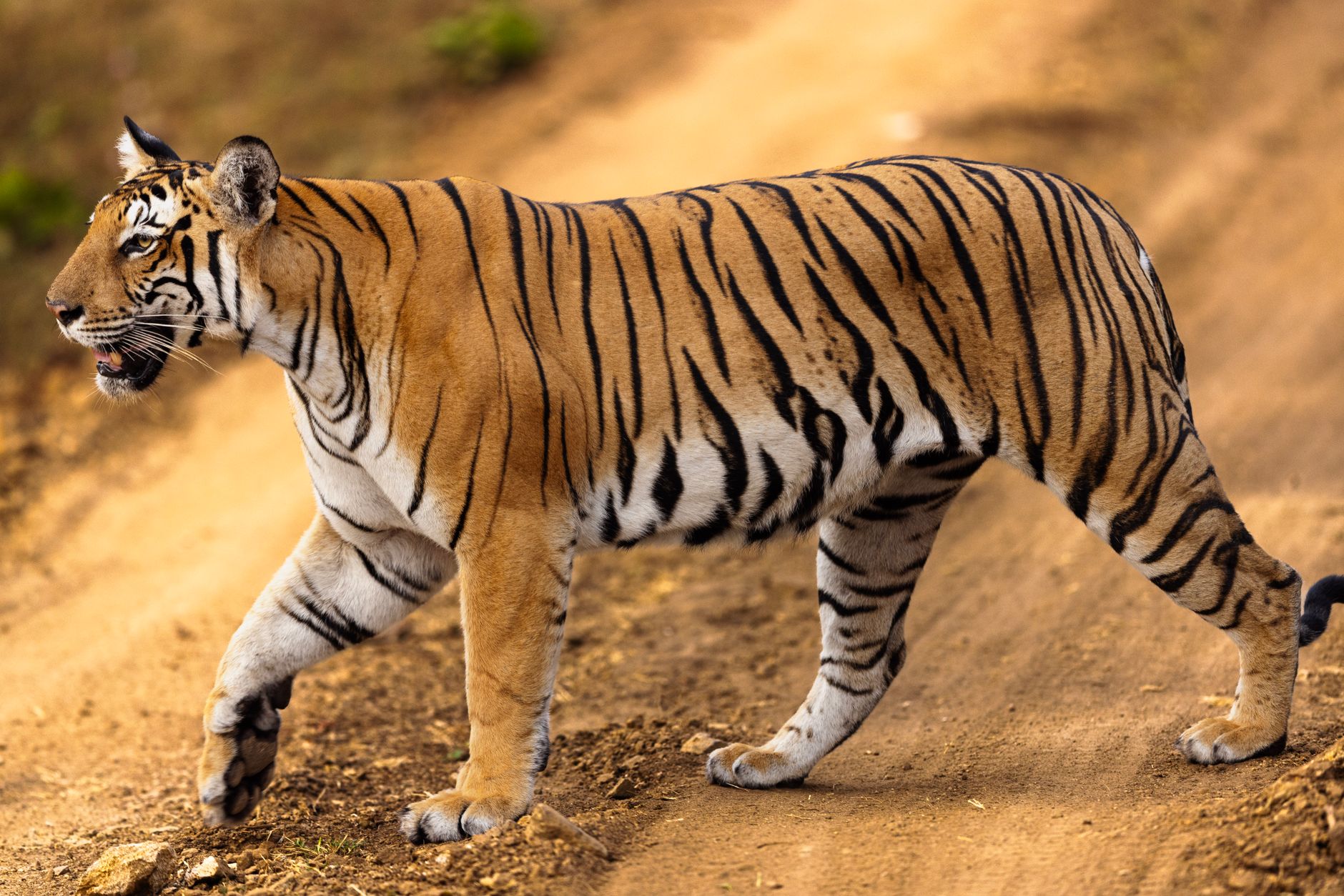
The difference in size between a domestic house cat and a tiger boils down to evolutionary pressures and selective breeding: Why are house cats so small compared to tigers? Because tigers evolved as apex predators requiring immense size and power, while house cats adapted to a smaller scale, surviving on smaller prey and, eventually, benefiting from co-existence with humans.
The Tale of Two Felines: A Deep Dive into Size Disparity
From the cuddly companion curled up on your sofa to the majestic apex predator prowling the jungle, the cat family (Felidae) exhibits remarkable diversity. But the sheer size difference between a domestic house cat (Felis catus) and a tiger (Panthera tigris) is particularly striking. This difference isn’t arbitrary; it’s the result of millions of years of evolution, natural selection, and, in the case of the house cat, selective breeding by humans.

What colours are fish most attracted to?
Can you put your finger in a trout's mouth?
Is methylene blue anti bacterial?
Does aquarium salt raise pH in aquarium?
Evolutionary Pressures: Survival of the Biggest (or Smallest)
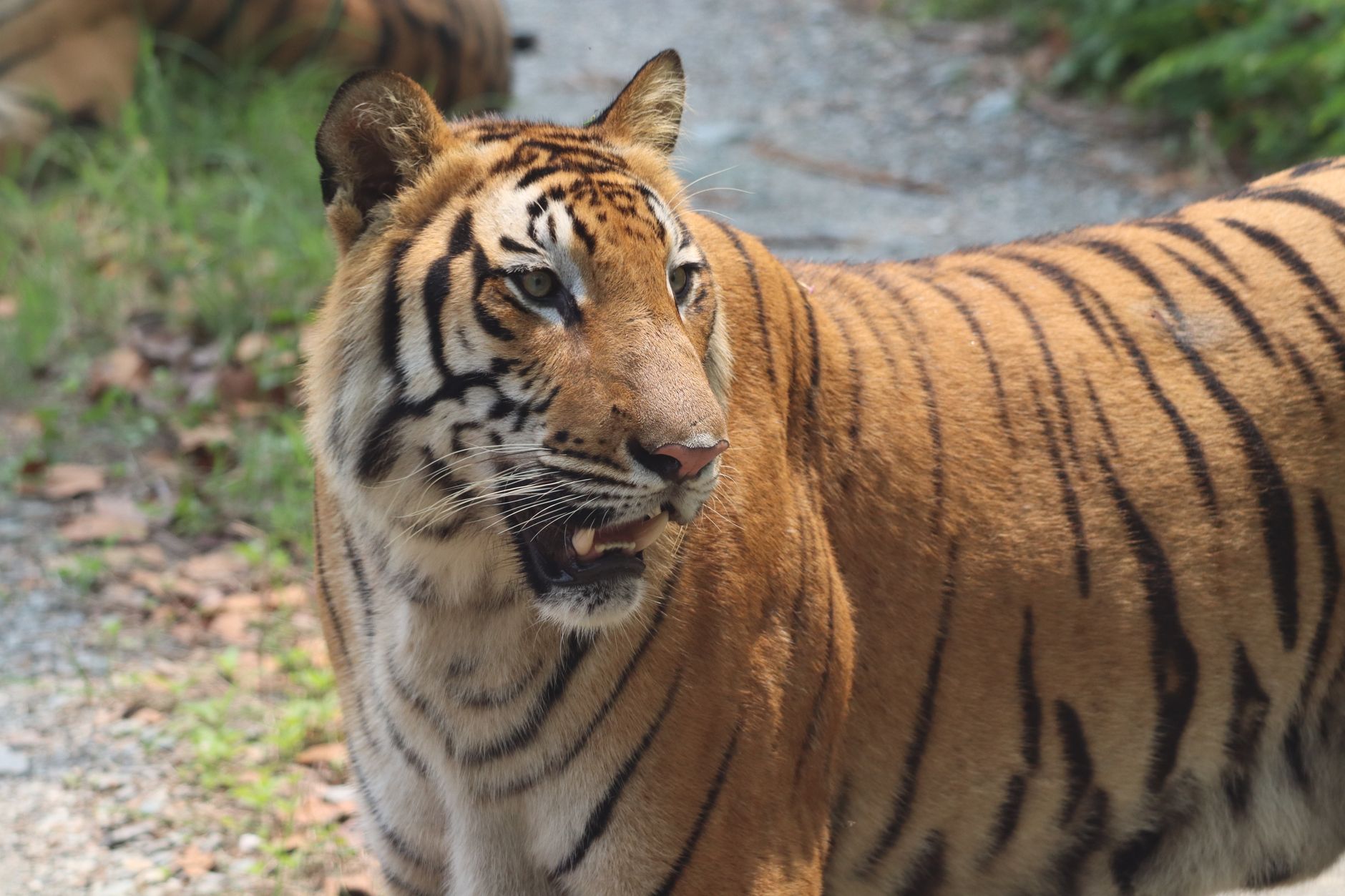
The primary driver of size difference is evolutionary pressure. Tigers, as apex predators, require significant size and strength to:
- Successfully hunt large prey like deer, wild pigs, and even buffalo.
- Defend their territory against other tigers and potential rivals.
- Successfully raise and protect their cubs.
Larger size confers an advantage in these scenarios. Natural selection favored larger individuals, leading to the evolution of the massive tiger we know today.
In contrast, early wild cats, the ancestors of today’s house cats, likely thrived on smaller prey such as rodents, birds, and insects. They didn’t need the size and power of a tiger. Smaller size also allowed them to:
- Be more agile and maneuverable, vital for hunting smaller prey.
- Consume less food, an advantage in environments where food resources were scarce.
- Hide more easily from larger predators.
Thus, natural selection favored smaller, more adaptable cats in specific ecological niches.
Domestication and Selective Breeding
The domestication of cats marked another turning point. Around 10,000 years ago, wild cats began associating with human settlements, likely drawn by the abundance of rodents attracted to stored grains. Humans, in turn, likely tolerated or even encouraged the presence of these cats, recognizing their value as pest control agents.
Over time, humans began to selectively breed cats for certain traits, such as:
- Docility and friendliness: Easier to manage and interact with.
- Appearance: Different coat colors, patterns, and body shapes.
- Hunting ability: Some cats were preferred for their skill in catching rodents.
While size wasn’t always the primary focus of selective breeding, domestic cats were generally kept at a manageable size, contrasting sharply with their much larger, wild counterparts. This is Why are house cats so small compared to tigers?. It’s partly because humans didn’t need them to be big and powerful hunters, as they had other ways to hunt for food.
Genetics and Growth Factors
Genetics play a crucial role in determining an animal’s size. Specific genes control the production of growth hormones and growth factors that regulate bone and muscle development. Differences in these genes between tigers and house cats lead to significant differences in their growth patterns and final adult size.
The gene encoding myostatin also plays a crucial role. Myostatin is a protein that inhibits muscle growth. Variations in the myostatin gene can affect muscle mass, potentially contributing to the size difference between tigers and house cats. Researchers continue to investigate the specific genetic mechanisms that contribute to feline size variation.
Diet and Nutrition
While genetics and evolutionary pressures are primary drivers, diet and nutrition also play a role. Tigers, as obligate carnivores, consume a diet rich in protein and fat, which is essential for their growth and development. They require a large quantity of meat to maintain their massive size.
House cats, while also obligate carnivores, consume smaller meals and may rely on commercially produced cat food. The quality and quantity of their diet can affect their growth rate and overall size. Malnutrition during kittenhood can stunt growth and lead to a smaller adult size.
Comparing Key Characteristics
| Feature | Tiger (Panthera tigris) | House Cat (Felis catus) |
|---|---|---|
| Habitat | Forests, grasslands, swamps | Domesticated; lives in homes, farms, and urban environments |
| Diet | Large prey animals (deer, wild pigs, buffalo) | Small prey animals (rodents, birds), commercially produced food |
| Social Structure | Solitary | Variable; can be solitary or live in groups |
| Average Weight | 200-660 pounds (90-300 kg) | 8-10 pounds (3.6-4.5 kg) |
| Average Length | 6-10 feet (1.8-3 meters) | 1.5-2 feet (0.45-0.6 meters) |
| Evolutionary Role | Apex Predator | Domesticated Companion; Pest Control |
Frequently Asked Questions
Why did house cats evolve to be smaller than their wild ancestors?
House cats didn’t necessarily evolve to be smaller, but rather adapted to a different ecological niche. Early wild cats likely thrived on smaller prey, making a large size unnecessary. Domestication and selective breeding further solidified this size difference, as humans preferred manageable and docile cats.
Are there any house cat breeds that are close in size to tigers?
No, there are no house cat breeds that approach the size of tigers. The largest domestic cat breeds, such as the Maine Coon and the Norwegian Forest Cat, can weigh up to 20 pounds, but they are still significantly smaller than even the smallest tiger subspecies.
Is it possible for a house cat to grow as big as a small dog?
Yes, some of the larger house cat breeds, particularly the Maine Coon, can reach a size comparable to that of a small dog breed, like a Chihuahua. However, this is still a far cry from the size of a tiger. The size difference remains significant, further proving Why are house cats so small compared to tigers?
Do environmental factors play a role in the size of house cats?
Yes, environmental factors such as diet and access to resources can influence the size of house cats. Malnutrition during kittenhood can stunt growth, while a plentiful and nutritious diet can support optimal growth.
Are there any genetic similarities between house cats and tigers despite their size difference?
Yes, despite the size difference, house cats and tigers share a significant portion of their DNA. They both belong to the same family (Felidae) and share a common ancestor. This genetic similarity explains why they exhibit many similar behaviors and physical traits.
What are the advantages of being a small cat compared to a large cat?
Smaller cats have advantages such as: increased agility, ability to hunt in tighter spaces, and lower food requirements. These advantages are particularly beneficial for surviving in diverse environments and exploiting smaller prey resources.
How does domestication affect the genetics of cat size?
Domestication leads to genetic changes through selective breeding. Humans often choose individuals with desirable traits, like docility and manageable size, which results in a shift in the genetic makeup of the population, favoring smaller size over time.
Do bigger cats generally live longer than smaller cats?
There’s no definitive rule linking cat size and longevity. Lifespan is complex, influenced by breed, diet, lifestyle, and access to veterinary care. Larger breeds might face different health challenges than smaller ones, impacting their lifespan.
Is it possible to breed a house cat to be the size of a tiger through genetic engineering?
While theoretically possible, breeding a house cat to tiger size via genetic engineering is highly impractical and ethically questionable. The genetic modifications required would be extensive, with unpredictable consequences for the animal’s health and well-being.
Do tigers and house cats have similar hunting strategies despite their size difference?
Yes, both tigers and house cats employ similar hunting strategies, such as stalking, ambush, and using their sharp claws and teeth to subdue prey. However, the scale and target of their hunts differ significantly due to their size.
What is the smallest wild cat species, and how does it compare to a house cat?
The smallest wild cat is the rusty-spotted cat (Prionailurus rubiginosus), which is about half the size of a typical house cat. It weighs only 2-3.5 pounds and is found in India and Sri Lanka.
Why are some house cats much larger than others?
Variation in house cat size arises from a combination of factors, including breed, genetics, diet, and overall health. Certain breeds, like Maine Coons, are naturally larger. Also, some individual cats possess genes that promote more significant growth.
This extensive exploration reveals that Why are house cats so small compared to tigers? is due to a multifaceted interplay of evolutionary pressures, domestication, genetics, and diet. Understanding these factors provides valuable insight into the remarkable diversity within the cat family and the distinct adaptations that have shaped these fascinating creatures.