
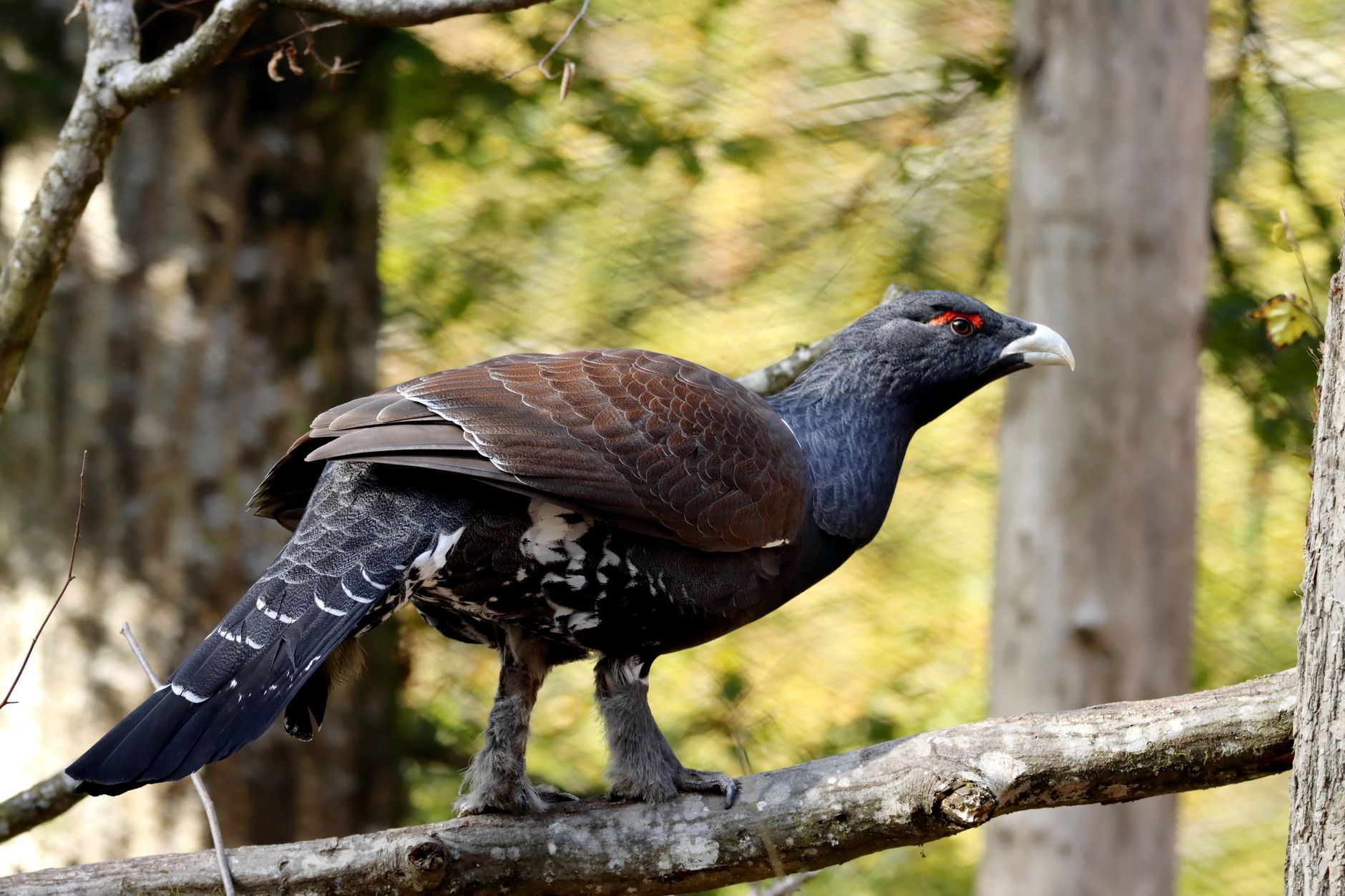
Where Do Grouse Sleep at Night? Unveiling Their Nocturnal Habits
Grouse, elusive birds of upland habitats, don’t typically build nests for sleeping. Instead, they seek shelter and warmth in natural depressions on the ground, under snow cover in winter, or among dense vegetation, providing crucial protection from predators and the elements. Therefore, where do grouse sleep at night? – in sheltered spots close to their feeding grounds.

Understanding Grouse Sleeping Behavior
Grouse are ground-dwelling birds, and their sleeping habits reflect this lifestyle. Unlike many birds that roost in trees, grouse primarily seek shelter on the ground, adapting their strategies to the specific season and environmental conditions. Their survival depends heavily on their ability to find suitable cover to avoid predators and conserve energy, especially during harsh winters.

Is distilled water good for goldfish?
What colours are fish most attracted to?
Can you put your finger in a trout's mouth?
Is methylene blue anti bacterial?
The Importance of Cover

Cover is paramount for grouse survival during the night. It offers protection from a variety of threats:
- Predators: Owls, foxes, coyotes, and other nocturnal predators pose a significant risk to grouse. Dense vegetation or snow cover provides concealment, reducing the likelihood of detection.
- Weather: Grouse are susceptible to hypothermia in cold weather. Sheltered spots offer insulation and protection from wind and snow, helping them conserve vital energy.
- Disturbance: Providing an undisturbed location allows the grouse to maintain a relaxed state and lowers their stress levels which improves their chances of survival.
Summer Sleeping Habits
During the warmer months, grouse are less concerned with thermal regulation. Instead, they prioritize concealment and avoiding insects. You will often find grouse:
- Under the cover of low-lying shrubs: Offering shade and some protection from rain.
- Amongst tall grasses: Providing camouflage.
- In slight depressions in the ground: Helping them to stay out of sight.
Winter Sleeping Habits: Snow Roosting
Winter presents unique challenges for grouse. The most fascinating adaptation is their ability to snow roost. Grouse will dive into the snow, creating a small cavity where they can insulate themselves from the frigid temperatures.
- Insulation: Snow acts as a natural insulator, trapping the grouse’s body heat.
- Predator Protection: The snow roost offers excellent concealment, making it difficult for predators to locate the grouse.
- Energy Conservation: By reducing heat loss, snow roosting helps grouse conserve energy during the winter months.
Factors Influencing Grouse Sleeping Site Selection
Several factors determine where do grouse sleep at night
- Season: Summer requires cooling and camouflage, while winter requires insulation.
- Habitat: Available cover varies depending on the habitat. Dense forests provide more cover than open fields.
- Weather: Grouse will seek more sheltered spots during windy or snowy conditions.
- Predator Pressure: Areas with high predator activity may lead grouse to choose more concealed locations.
Common Mistakes to Avoid in Grouse Habitat Management
- Removing Too Much Cover: Over-clearing forests or grasslands can eliminate crucial sleeping habitat for grouse.
- Ignoring Winter Cover: Focusing solely on summer habitat neglects the importance of snow roosting areas.
- Failing to Control Predators: High predator populations can negatively impact grouse survival, especially during the vulnerable nighttime hours.
- Disrupting Nesting Areas: Grouse need secure nesting sites as well as sleeping areas. Be careful of land management activities during breeding season.
Table Comparing Summer and Winter Grouse Sleeping Habits
| Feature | Summer | Winter |
|---|---|---|
| Primary Goal | Camouflage, insect avoidance | Insulation, predator protection |
| Typical Locations | Under shrubs, among grasses, in ground depressions | Snow roosts, dense conifer stands |
| Temperature Concern | Overheating | Hypothermia |
| Predator Threat | Significant, but often less severe than winter | High, especially during periods of low snow cover |
| Common Challenges | Staying cool, avoiding insects, finding suitable dry location | Extreme cold, limited food availability, maintaining snow roost integrity |
Frequently Asked Questions
What is snow roosting and why is it important for grouse?
Snow roosting is a behavior where do grouse sleep at night by diving into the snow to create a small, insulated cavity. This is crucial for survival in winter as the snow provides excellent insulation against frigid temperatures and protection from predators.
Are grouse active at night?
Generally, grouse are not active at night. They are diurnal, meaning they are most active during the day, primarily foraging for food. At night, they are trying to conserve energy and avoid predators.
Do different species of grouse have different sleeping habits?
Yes, there can be some variations. While most grouse species share the general ground-sleeping behavior, specific preferences for cover and snow roosting habits can vary depending on species and local environmental conditions.
How do grouse choose their sleeping locations?
Grouse choose sleeping locations based on a combination of factors, including the availability of cover, protection from wind and snow, and proximity to food sources. They also consider the risk of predation.
What is the ideal habitat for grouse to sleep in?
The ideal habitat offers a variety of cover types, including dense shrubs, tall grasses, and coniferous trees. In winter, areas with sufficient snow depth for snow roosting are essential. A combination of habitats is often best.
How do grouse protect themselves from predators while sleeping?
Grouse rely on camouflage and concealment to avoid predators. Their mottled plumage blends in with their surroundings, and they often choose sleeping locations in dense vegetation or snow roosts that provide cover.
Do grouse sleep alone or in groups?
Grouse can sleep alone or in small groups, depending on the season and species. During winter, it is not uncommon for multiple grouse to share a single snow roost for added warmth.
How often do grouse change their sleeping locations?
Grouse may change their sleeping locations daily or remain in the same spot for several days, depending on factors such as weather conditions and predator activity. If disturbed, they will likely move.
Can habitat management impact grouse sleeping habits?
Yes, habitat management practices can significantly impact grouse sleeping habits. Proper management that maintains adequate cover and protects snow roosting areas is crucial for their survival.
What is the biggest threat to grouse while they are sleeping?
The biggest threat to grouse while they are sleeping is predation. Owls, foxes, coyotes, and other nocturnal predators are a constant danger, especially in areas with limited cover.
What role does snow depth play in grouse survival in winter?
Snow depth is critical for grouse survival in winter. Sufficient snow allows them to create snow roosts, which provide essential insulation and protection from predators.
Can human disturbance impact grouse sleeping behavior?
Yes, human disturbance can negatively impact grouse sleeping behavior. Excessive noise or activity near their sleeping locations can cause stress and disrupt their ability to conserve energy, leading to an increased risk of predation. Therefore, it is important to minimize disturbance in areas where grouse are known to be present.