

Why are Elephants Illegally Hunted? Unveiling the Tragedy Behind Elephant Poaching
Elephants are primarily illegally hunted for their ivory tusks, which are in high demand in some markets for carving and ornamental purposes, driving a devastating cycle of poaching and threatening elephant populations. This illegal activity fuels organized crime and devastates ecosystems.
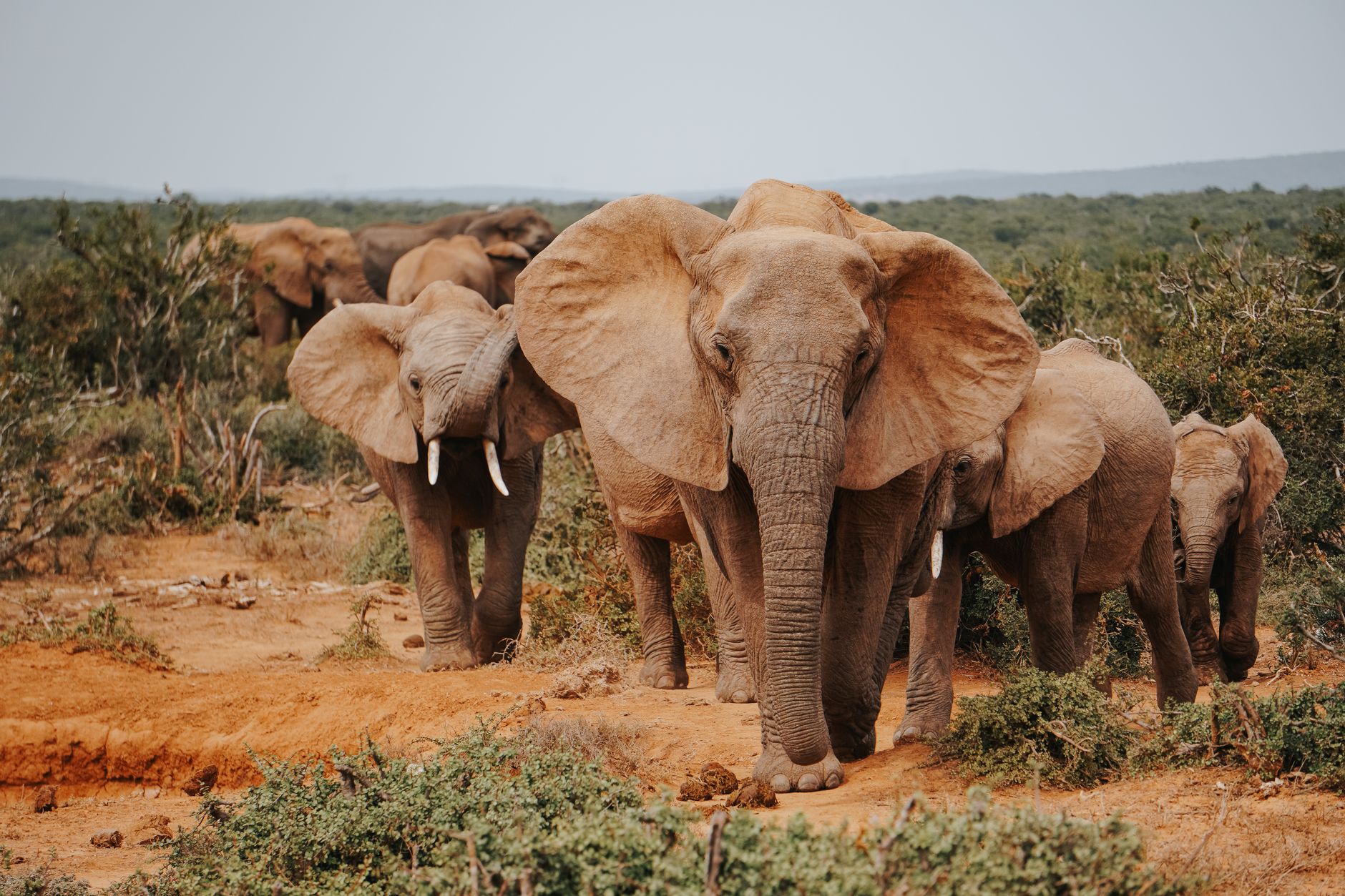
The Devastating Reality of Elephant Poaching
Elephants, the gentle giants of the savanna, are facing an existential threat: illegal hunting. Why are elephants illegally hunted? The answer is complex, but ultimately boils down to one primary driver: demand for ivory. This demand, coupled with factors like poverty, corruption, and weak law enforcement, creates a perfect storm for poaching.

What colours are fish most attracted to?
Can you put your finger in a trout's mouth?
Is methylene blue anti bacterial?
Does aquarium salt raise pH in aquarium?
The Allure of Ivory: Fueling the Demand

Ivory, the hard, white material from elephant tusks, has been prized for centuries for its beauty and versatility. Historically, it has been used to create:
- Religious objects
- Musical instruments
- Billiard balls
- Ornaments
- Personal adornments (jewelry, combs)
Although international trade in ivory has been banned or restricted for decades, a significant black market persists, particularly in parts of Asia. This persistent demand keeps prices high and incentivizes poachers to risk their lives and face prosecution.
The Poaching Process: A Brutal Reality
Elephant poaching is a brutal and often highly organized activity. The process typically involves:
- Locating elephants: Poachers may use tracking skills, local informants, or even aerial surveillance to locate herds.
- Killing the elephants: Elephants are often killed using high-powered rifles, poison, or snares. The method depends on the poachers’ resources and the risk they are willing to take.
- Removing the tusks: Once the elephant is dead, the tusks are removed, often using axes or chainsaws. This is a dangerous and messy process.
- Transporting the ivory: The tusks are then smuggled out of the area, often through complex networks involving corrupt officials and intermediaries.
The sheer brutality of the process and the scale of elephant deaths are deeply disturbing.
The Role of Poverty and Lack of Opportunity
Why are elephants illegally hunted? Often, it is because communities living near elephant habitats face severe poverty and limited economic opportunities. Poaching can be seen as a desperate way to earn a living, even though it carries significant risks. Lack of education, access to healthcare, and alternative income sources further exacerbates the problem. Addressing these underlying socio-economic factors is crucial for long-term conservation efforts.
Corruption and Weak Governance: Enabling the Crime
Corruption within governments and law enforcement agencies plays a significant role in facilitating elephant poaching. Bribes paid to officials can allow poachers to operate with impunity, smuggle ivory across borders, and avoid prosecution. Weak governance and a lack of resources for conservation efforts further contribute to the problem. Strengthening law enforcement, combating corruption, and promoting good governance are essential steps in combating poaching.
The Devastating Impact on Elephant Populations
The illegal hunting of elephants has had a devastating impact on elephant populations across Africa and Asia. Numbers have plummeted in recent decades, and some populations are on the brink of extinction. The loss of elephants also has cascading effects on ecosystems, as elephants play a vital role in shaping landscapes, dispersing seeds, and maintaining biodiversity.
Conservation Efforts: A Ray of Hope
Despite the challenges, significant efforts are underway to combat elephant poaching and protect elephant populations. These efforts include:
- Strengthening law enforcement: Training and equipping anti-poaching units, increasing patrols, and improving intelligence gathering.
- Combating corruption: Implementing anti-corruption measures and holding corrupt officials accountable.
- Reducing demand for ivory: Raising awareness about the impacts of poaching, promoting alternative materials, and enforcing trade bans.
- Supporting community conservation: Working with local communities to develop sustainable livelihoods and protect elephants.
- Translocation: Moving elephant populations to safer reserves.
What Happens to Orphaned Elephants?
The orphaned elephant crisis is a tragic side effect of rampant poaching. Once their parents are killed for ivory, young elephants are left to fend for themselves, often succumbing to hunger, dehydration, or predation. Some are fortunate enough to be rescued and taken to specialized sanctuaries where they receive intensive care, including hand-feeding, medical attention, and socialization with other elephants. These sanctuaries work to rehabilitate the orphans, with the ultimate goal of reintroducing them into the wild whenever possible, though success varies based on trauma and age of rescue.
Technological Advancements in Elephant Conservation
Technology is playing an increasingly vital role in the fight against elephant poaching. Drones equipped with thermal imaging cameras can detect poachers at night, allowing rangers to intercept them before they can harm elephants. GPS tracking devices attached to elephants provide valuable data on their movements and allow conservationists to monitor their behavior and identify potential threats. Acoustic monitoring systems can detect the sound of gunshots or vehicle traffic in protected areas, alerting rangers to potential poaching activity. Furthermore, DNA analysis of seized ivory can help to trace its origin and identify poaching hotspots.
The Global Response to Elephant Poaching
Elephant poaching is not just a local problem; it’s a global issue that requires a coordinated international response. The Convention on International Trade in Endangered Species of Wild Fauna and Flora (CITES) plays a critical role in regulating the international trade in ivory and other wildlife products. International organizations like the World Wildlife Fund (WWF) and the International Elephant Foundation (IEF) are working to support conservation efforts on the ground and raise awareness about the impacts of poaching. Governments around the world are also taking steps to combat poaching, including strengthening law enforcement, enacting stricter penalties for poachers, and working to reduce demand for ivory in their countries.
Frequently Asked Questions About Elephant Poaching
Why is ivory so valuable?
Ivory’s value is driven by its aesthetic appeal, cultural significance, and relative scarcity. It is easily carved, retaining detail well, making it ideal for intricate sculptures, jewelry, and decorative items. Although many countries have banned the ivory trade, the sustained demand, particularly in certain Asian markets, keeps prices inflated and incentivizes illegal poaching. This high demand is the main reason why elephants are illegally hunted.
What are the main destinations for illegally trafficked ivory?
Historically, China has been the largest consumer market for ivory, driving a significant portion of the illegal trade. Other prominent destinations include Vietnam, Thailand, and the Philippines. Demand in these regions, fueled by traditional beliefs and luxury consumption, continues to pose a serious threat to elephant populations. Increased enforcement and public awareness campaigns are crucial to curb demand in these regions.
How are elephants killed by poachers?
Elephants are killed using a variety of methods, depending on the poachers’ resources and risk tolerance. These methods include using high-powered rifles, poisoning water sources or food, and setting snares. Often, multiple elephants are killed indiscriminately, leaving orphaned calves and disrupting herd dynamics. The brutal nature of these killings highlights the inhumane aspect of the illegal ivory trade.
How does poaching affect elephant populations and their habitats?
Poaching dramatically reduces elephant populations, leading to genetic bottlenecks and disrupting social structures within herds. The loss of elephants also impacts ecosystems. Elephants play a crucial role in seed dispersal, creating habitats for other species, and maintaining biodiversity. Their absence drastically alters the landscape, impacting the entire ecosystem.
What is CITES and how does it regulate the ivory trade?
The Convention on International Trade in Endangered Species (CITES) is an international agreement that regulates the trade of endangered and threatened species, including elephants and their ivory. CITES has imposed various measures, including trade bans and strict regulations, to control the ivory trade and protect elephant populations. However, illegal trade still persists due to loopholes and weak enforcement in some areas.
What is being done to combat elephant poaching on the ground?
On-the-ground efforts to combat elephant poaching include training and equipping anti-poaching units, increasing patrols in protected areas, and utilizing technology such as drones and tracking devices. Community-based conservation programs are also crucial, empowering local communities to protect elephants and their habitats. These combined strategies aim to deter poachers and protect elephants from harm.
How can I help protect elephants from poaching?
You can help protect elephants by supporting organizations that are working to combat poaching, raising awareness about the issue, and avoiding purchasing ivory products. Educating yourself and others about the devastating impacts of the ivory trade is essential. Supporting responsible tourism and sustainable practices can also contribute to elephant conservation.
What role do local communities play in elephant conservation?
Local communities play a vital role in elephant conservation. When communities benefit from the presence of elephants through tourism, employment, and other economic opportunities, they are more likely to support conservation efforts. Involving communities in conservation planning and management is essential for ensuring the long-term survival of elephants.
What is the connection between organized crime and elephant poaching?
Elephant poaching is often linked to organized crime networks, which are involved in the illegal trafficking of ivory, weapons, and other illicit goods. These networks operate across borders, exploiting weak governance and corruption to profit from the illegal wildlife trade. Combating organized crime is essential for disrupting the supply chain and reducing the incentives for poaching.
Is there a legal ivory trade, and how does it impact illegal poaching?
Some countries have legal domestic ivory markets or have sought to sell stockpiled ivory under CITES-approved schemes. However, the existence of legal markets can provide a cover for illegal trade, making it more difficult to distinguish between legal and illegally obtained ivory. Many conservationists argue that all ivory trade should be banned to eliminate the incentive for poaching.
What is the ivory burn, and why is it done?
An ivory burn involves destroying confiscated ivory stockpiles to send a strong message against poaching and the illegal ivory trade. It demonstrates a country’s commitment to protecting elephants and eradicating demand for ivory. Ivory burns are often symbolic events attended by government officials, conservationists, and the public.
What are some alternative solutions to ivory for creating decorative items and art?
Many sustainable and ethical alternatives to ivory exist, including bone, horn, tagua nut (vegetable ivory), and various synthetic materials. Promoting the use of these alternatives can help reduce demand for ivory and protect elephants from poaching. Supporting artisans and businesses that use these materials can contribute to a more sustainable and ethical market. Why are elephants illegally hunted? Because humans desire their tusks. Choosing alternatives will help us remove this economic incentive and thus save our elephants.