
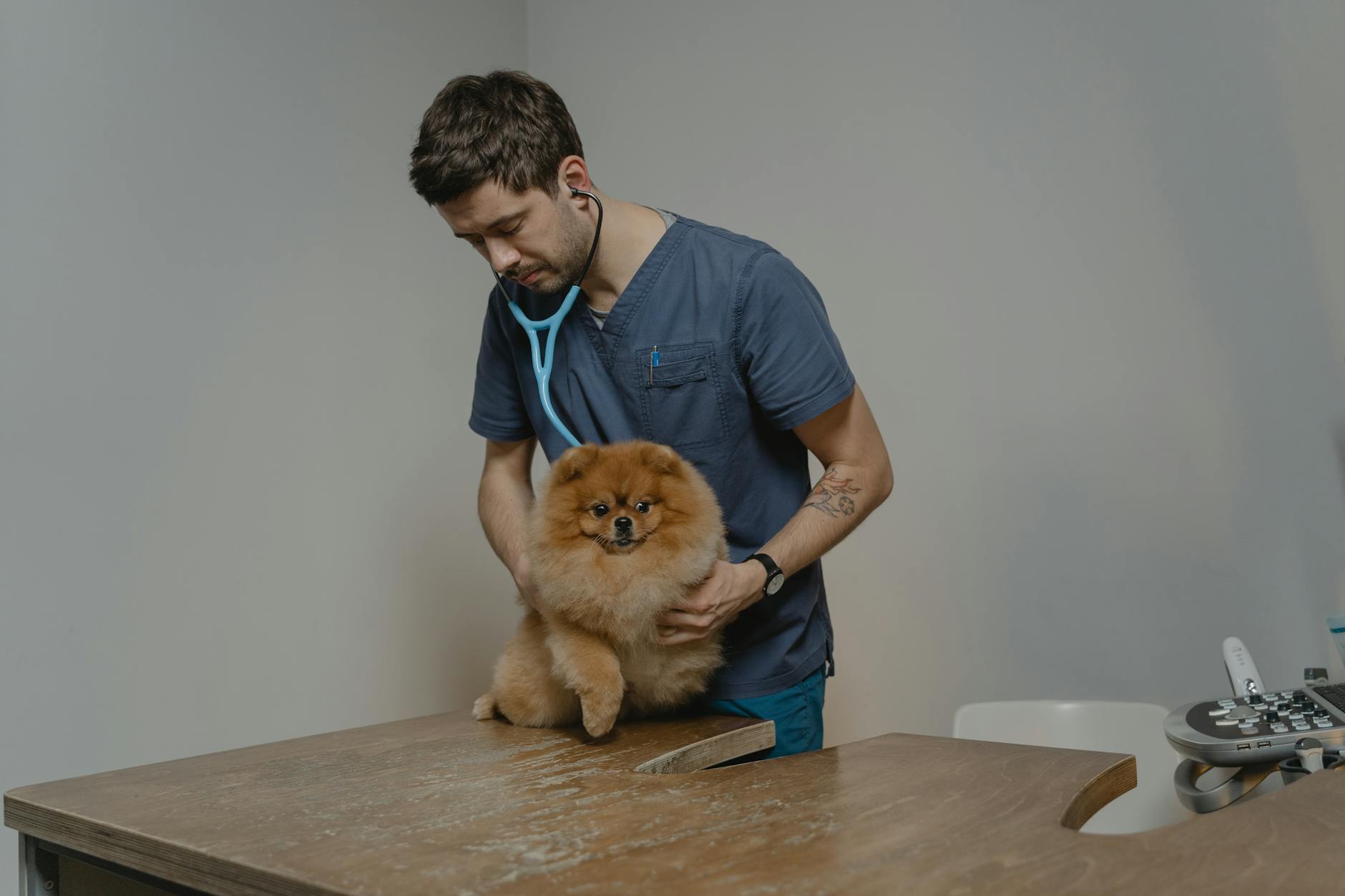
Can I Give My Dog Dewormer If He Doesn’t Have Worms?
Giving dewormer medication to your dog without knowing if they have worms is generally not recommended and can even be harmful. It’s far more prudent to identify if worms are present before treating, ensuring your dog receives the appropriate care.
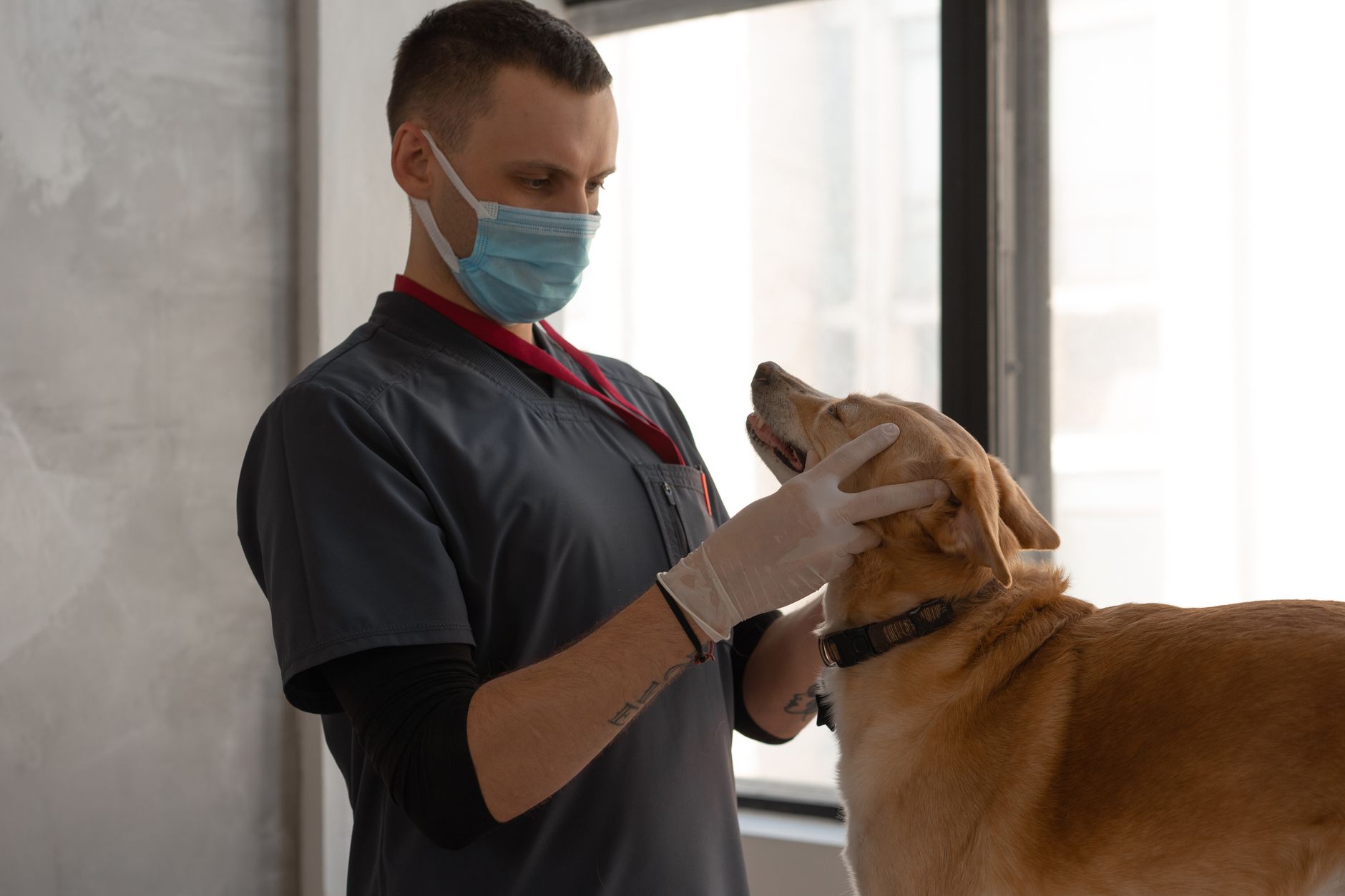
Introduction: The Deworming Dilemma
The question of whether to administer dewormer to a dog preventatively, or only when worms are confirmed, is a common one among pet owners. We all want the best for our furry friends, and the thought of them suffering from parasites is understandably unsettling. However, approaching deworming without a clear understanding of the risks and benefits can do more harm than good. This article explores the complexities of this issue, providing you with the information you need to make informed decisions about your dog’s health.
Who wins a hyena or wild dog?
What is the best turtle to have as a pet in Australia?
How long does it take molly fish to give birth?
Understanding Intestinal Worms in Dogs
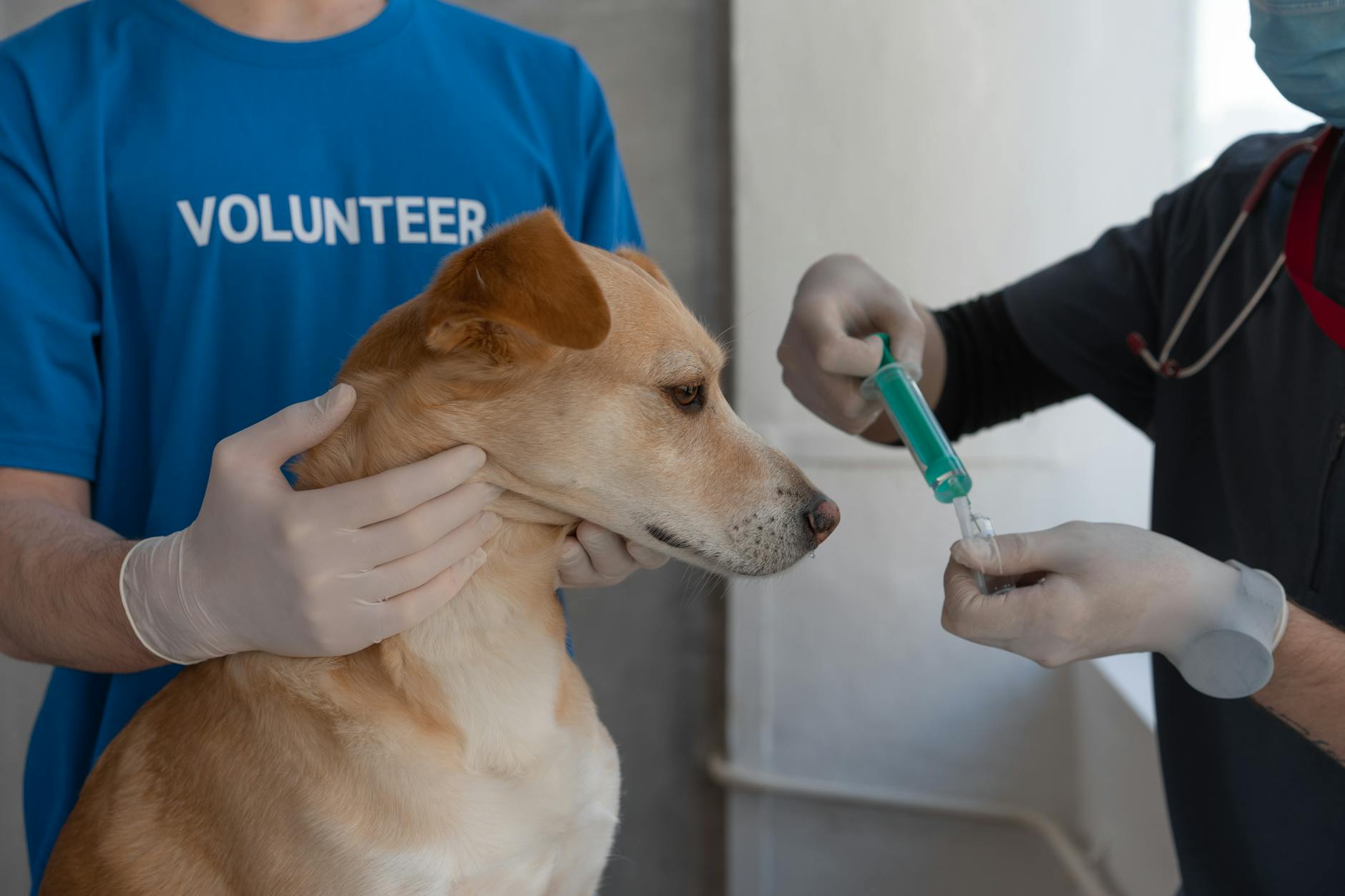
Intestinal parasites are a common ailment affecting dogs of all ages and breeds. These parasites live in the digestive tract, stealing nutrients from your dog’s food and potentially causing a range of health problems. Common types of intestinal worms in dogs include:
- Roundworms
- Hookworms
- Whipworms
- Tapeworms
Dogs can contract these worms in various ways, including:
- Ingesting contaminated soil or feces
- Eating infected prey animals
- Nursing from an infected mother
- Through skin penetration (hookworms)
- Via fleas (tapeworms)
Regular deworming used to be a common practice, but modern veterinary medicine emphasizes a more targeted approach.
The Potential Risks of Unnecessary Deworming
While dewormers are effective at eliminating worms, they are not without potential side effects. Administering dewormer to a dog that doesn’t have worms exposes them to these risks unnecessarily. Here are some of the potential downsides:
- Drug Resistance: Overuse of dewormers can contribute to the development of drug-resistant worms, making future treatments less effective.
- Adverse Reactions: Dewormers can cause side effects such as vomiting, diarrhea, loss of appetite, and lethargy. In rare cases, more severe reactions are possible.
- Disruption of Gut Microbiome: Dewormers can negatively impact the healthy bacteria in your dog’s gut, potentially leading to digestive issues.
- Cost: Unnecessary deworming adds to your veterinary expenses.
Diagnosing Worm Infestations in Dogs
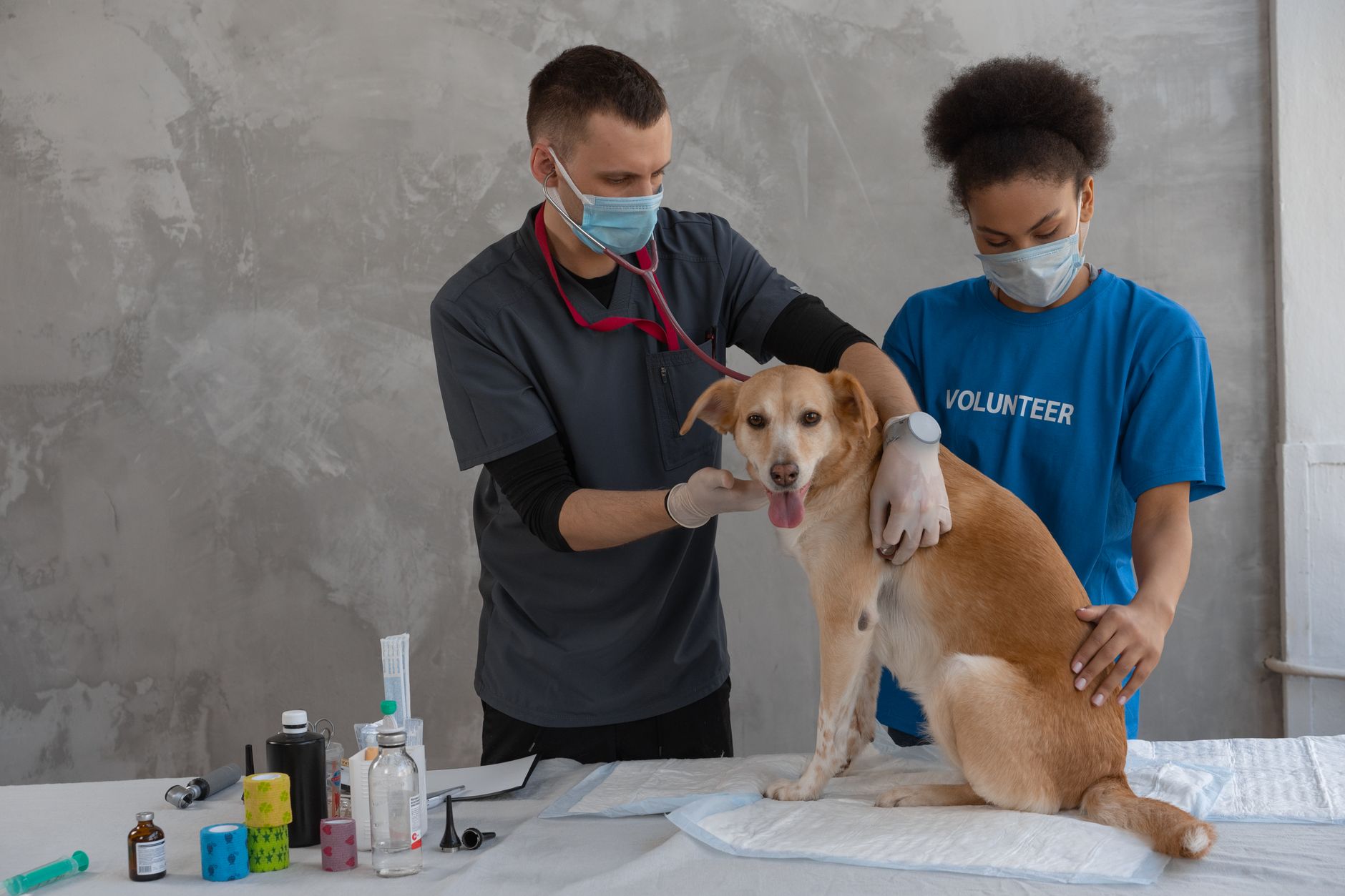
The best way to determine if your dog needs deworming is to have a fecal exam performed by your veterinarian. This involves collecting a small sample of your dog’s stool and sending it to a laboratory for analysis. The lab will look for worm eggs under a microscope, allowing for accurate diagnosis.
There are a few at-home tests available but professional testing by a veterinarian is more reliable.
Symptoms of worm infestation in dogs can include:
- Diarrhea
- Vomiting
- Weight loss
- Pot-bellied appearance
- Dull coat
- Lethargy
- Coughing (in some cases)
- Visible worms in stool or around the anus
However, some dogs with worms may not show any obvious symptoms. This is why regular fecal exams are so important.
A Targeted Approach to Deworming
Instead of routinely deworming all dogs, a more targeted approach is recommended. This involves:
- Regular Fecal Exams: Have your dog’s stool tested at least once or twice a year, or more frequently if they are at high risk of infection (e.g., puppies, dogs that spend a lot of time outdoors).
- Deworm Only When Necessary: If the fecal exam reveals the presence of worms, your veterinarian will prescribe the appropriate dewormer based on the type of worm identified.
- Preventative Measures: Take steps to prevent worm infestations, such as practicing good hygiene (cleaning up after your dog), controlling fleas, and preventing your dog from eating potentially contaminated substances.
When Preventative Deworming Might Be Considered
There are some situations where preventative deworming might be considered, such as:
- Puppies: Puppies are particularly vulnerable to worm infestations and are often dewormed preventatively according to a veterinarian-recommended schedule.
- Pregnant or Nursing Dogs: Deworming pregnant or nursing dogs can help prevent the transmission of worms to their puppies.
- High-Risk Environments: Dogs living in areas with a high prevalence of worms or those that frequently visit dog parks or other communal areas may benefit from preventative deworming, but this should always be discussed with your veterinarian.
In these cases, using a heartworm preventative that also covers some intestinal worms is often a better approach than standalone dewormers, as it provides broader protection.
The Role of Heartworm Preventatives
Many heartworm preventatives also offer protection against certain intestinal worms, such as roundworms and hookworms. If your dog is on a monthly heartworm preventative, they may already be receiving some level of protection against these parasites. Consult with your veterinarian to determine if your dog’s heartworm preventative provides adequate protection against intestinal worms, or if additional deworming is necessary.
Alternatives to Chemical Dewormers?
Some pet owners explore natural or herbal remedies for deworming their dogs. While some of these remedies may have some efficacy, they are generally not as effective as conventional dewormers and may not be safe for all dogs. It’s crucial to consult with your veterinarian before using any alternative deworming methods. Many “natural” dewormers lack scientific evidence to support their claims and may even interact negatively with other medications your dog is taking.
Conclusion: Partnering with Your Veterinarian
Ultimately, the decision of whether or not to deworm your dog, and how often, should be made in consultation with your veterinarian. They can assess your dog’s individual risk factors, perform fecal exams, and recommend the most appropriate deworming protocol. Remember, can I give my dog dewormer if he doesn’t have worms? is a question best answered by understanding the risks and consulting your vet for a targeted approach to parasite control. Your vet can provide the best guidance for protecting your dog’s health.
Frequently Asked Questions (FAQs)
Can I give my dog dewormer if he doesn’t have worms and what are the risks involved?
Giving a dog dewormer when they don’t actually have worms is generally discouraged because dewormers are medications that can have side effects. Unnecessary use may also contribute to the development of drug-resistant worms, making future treatments less effective if your dog ever does need deworming.
How often should I have my dog tested for worms?
Most veterinarians recommend fecal exams at least once or twice a year for adult dogs. Puppies and dogs with higher risk factors (e.g., frequent outdoor exposure, history of worm infestations) may need more frequent testing, as directed by your vet.
What are the common side effects of deworming medication?
Common side effects of dewormers can include vomiting, diarrhea, lethargy, and loss of appetite. These side effects are usually mild and self-limiting, but if your dog experiences severe or persistent side effects, contact your veterinarian immediately.
Are there any over-the-counter dewormers that are safe and effective for dogs?
While some over-the-counter dewormers are available, they are generally not as effective or safe as prescription dewormers prescribed by a veterinarian. Over-the-counter options may not target all types of worms, and they may not be formulated correctly for your dog’s weight and age. Always consult with your veterinarian before using any dewormer, even if it is available over the counter.
If my dog is on a heartworm preventative, do they still need to be dewormed separately?
Many heartworm preventatives offer some protection against intestinal worms, but not all of them cover all types of worms. Consult with your veterinarian to determine if your dog’s heartworm preventative provides adequate protection against intestinal worms, or if additional deworming is necessary.
What are some preventative measures I can take to protect my dog from worms?
Preventative measures include practicing good hygiene (cleaning up after your dog), controlling fleas, preventing your dog from eating potentially contaminated substances (e.g., feces, dead animals), and regular fecal exams. Keeping your dog on a heartworm preventative that also covers some intestinal worms is another key step.
My dog ate poop. Should I give him a dewormer?
Eating poop (coprophagy) increases the risk of worm infestation. You should contact your veterinarian to discuss this situation. They may recommend a fecal exam to check for worms and determine if deworming is necessary. Don’t automatically assume a dewormer is needed – testing is crucial.
What are the best ways to collect a fecal sample from my dog for testing?
Collect a fresh stool sample in a clean, airtight container. Ideally, the sample should be less than 12 hours old. Store the sample in the refrigerator until you can take it to your veterinarian. Be sure to bring it to your vet within 24 hours for optimal results.
Can I give my dog dewormer as a precautionary measure before traveling to a new area?
It’s best to consult with your veterinarian before administering any medication, including dewormer, before traveling. They can assess the risks in the new area and advise on the most appropriate preventative measures. In most cases, a fecal exam after returning from the trip is a more prudent approach.
My puppy has worms. What is the best course of action?
Puppies are highly susceptible to worm infestations and often require multiple deworming treatments. Consult with your veterinarian immediately to establish a deworming schedule and ensure your puppy receives the appropriate care. Follow your vet’s advice closely.
How long does it take for a dewormer to work in dogs?
Dewormers typically start working within a few hours, but it may take several days for all the worms to be eliminated from your dog’s system. The specific time frame depends on the type of dewormer used and the severity of the infestation.
Is there a natural way to deworm my dog?
While some natural remedies are promoted for deworming, their effectiveness and safety are often questionable. It’s best to consult with your veterinarian before using any natural deworming methods. Many lack scientific support and could be harmful to your dog. Your vet can offer the safest and most effective treatment options.