

Why Are Dolphins So Aggressive? Unveiling the Truth Behind Their Reputations
Dolphins, often perceived as friendly and playful, can exhibit surprising aggression. The reasons why are dolphins so aggressive stem from complex social dynamics, competition for resources, and innate predatory behaviors crucial for survival.

Introduction: Beyond the Smile – A Deeper Look at Dolphin Behavior
Dolphins, with their perpetual smiles and playful antics, have captured the human imagination for centuries. However, this image often obscures a more complex reality. While undeniably intelligent and capable of extraordinary feats of cooperation, dolphins are also apex predators driven by powerful instincts. Understanding why are dolphins so aggressive requires moving beyond anthropomorphic projections and delving into their intricate social structures, competitive drives, and the harsh realities of their marine environment. This article will explore the multifaceted reasons behind their occasional displays of aggression, challenging common misconceptions and providing a more nuanced perspective on these fascinating creatures.

What colours are fish most attracted to?
Can you put your finger in a trout's mouth?
Is methylene blue anti bacterial?
Does aquarium salt raise pH in aquarium?
Understanding Dolphin Aggression: A Matter of Survival
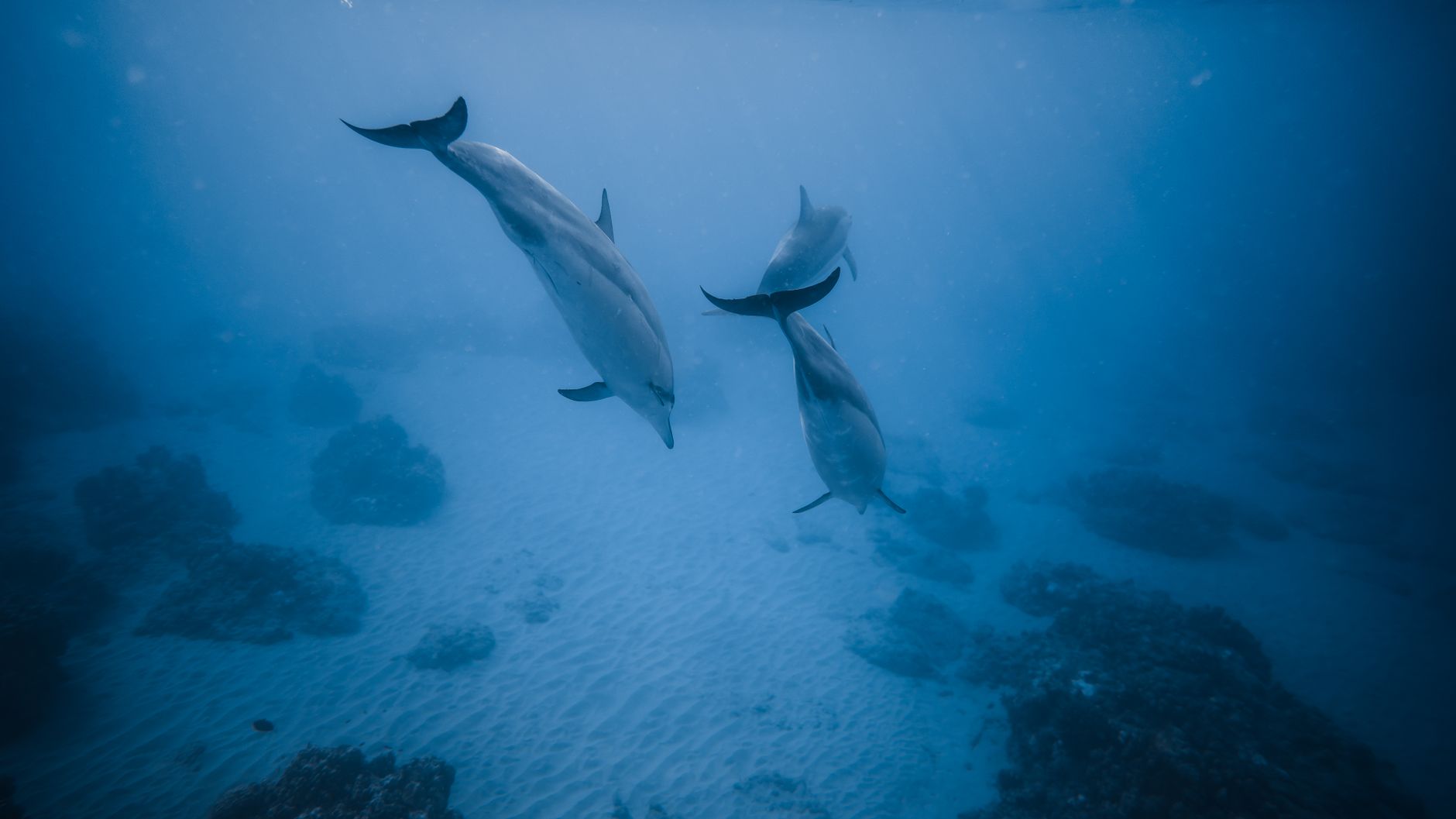
Aggression in dolphins isn’t simply random violence; it’s a vital component of their survival strategy. It manifests in various forms, each serving a distinct purpose within their social and ecological context. This understanding is key to answering why are dolphins so aggressive.
Types of Aggression Exhibited by Dolphins:
- Intrasexual Aggression (Male-Male): A common occurrence, particularly among males competing for access to females. This can involve chasing, ramming, biting, and even prolonged battles resulting in serious injuries.
- Infanticide: Sadly, infanticide has been observed in several dolphin species. Males may kill the offspring of rival males to bring females into estrus and increase their own reproductive opportunities.
- Interspecies Aggression: Dolphins have been known to attack and even kill other marine animals, including porpoises, sharks, and even sea turtles. The reasons for this are not fully understood, but possibilities include eliminating competition for resources, honing hunting skills, or even a form of play gone awry.
- Aggression Towards Humans: While rare, dolphin attacks on humans can occur, particularly in captive environments where the animals may feel stressed or threatened. Wild dolphins may also exhibit aggression if they feel their territory is being encroached upon or if they are being harassed.
Factors Contributing to Dolphin Aggression:
- Competition for Resources: Dolphins live in a competitive environment. Access to food, mates, and safe territory are all limited, leading to conflict.
- Social Hierarchy: Dolphin societies are structured with complex hierarchies. Aggression is used to establish and maintain dominance within these hierarchies.
- Mating Strategies: Competition for mating opportunities is a major driver of aggression, particularly among males.
- Stress and Captivity: Confined spaces and artificial environments can lead to increased stress levels, which can manifest as aggression.
Differentiating Playful Behavior from Aggression:
It’s crucial to distinguish between playful interactions and genuine aggression. Dolphins are highly intelligent and social animals, and they engage in a variety of playful behaviors, including chasing, mock fighting, and using objects as toys. However, these interactions are usually characterized by:
- Reciprocity: All individuals participate willingly.
- Absence of Injury: Playful interactions rarely result in injuries.
- Body Language: Playful dolphins exhibit relaxed body language and vocalizations different from those associated with aggression.
Misinterpreting playful behavior as aggression, or vice versa, can lead to misunderstandings about dolphin behavior and conservation efforts.
The Role of Intelligence in Dolphin Aggression:
Dolphins possess remarkable intelligence, and this likely plays a significant role in their aggressive behavior. Their cognitive abilities allow them to:
- Strategize and Plan: They can devise strategies to outcompete rivals for resources and mating opportunities.
- Recognize Individuals: They can identify and remember individual dolphins, allowing them to form complex social relationships and target their aggression effectively.
- Learn and Adapt: They can learn from past experiences and adapt their behavior accordingly.
This intelligence, combined with their physical capabilities, makes them formidable predators and competitors.
Conservation Implications:
Understanding why are dolphins so aggressive has important implications for conservation efforts.
- Managing Human-Dolphin Interactions: Recognizing the potential for aggression can help humans avoid risky situations and minimize the risk of conflict.
- Addressing Captivity Issues: Providing dolphins in captivity with more stimulating environments and reducing stress levels can help reduce aggression.
- Protecting Dolphin Habitats: Conserving marine ecosystems and ensuring adequate food supplies can reduce competition and conflict among dolphins.
By gaining a deeper understanding of the factors contributing to dolphin aggression, we can work to promote peaceful coexistence and ensure the long-term survival of these magnificent creatures.
Frequently Asked Questions
Why are male dolphins more aggressive than female dolphins?
Male dolphins typically exhibit more aggression than females primarily due to competition for mating opportunities. The struggle to establish dominance and secure access to females often involves intense physical confrontations and displays of power.
Do dolphins ever attack humans unprovoked?
While rare, dolphins can attack humans. Such attacks are usually related to feelings of threat or stress, especially when humans encroach on their territory or try to interact in ways that dolphins perceive as hostile. In captive environments, frustration can also lead to aggression.
Is there a specific dolphin species known to be particularly aggressive?
The bottlenose dolphin is often cited as one of the more aggressive dolphin species, particularly towards porpoises. However, aggression is a complex behavior that varies among individuals and populations within any species.
Why do dolphins sometimes kill porpoises?
The reasons are unclear, but theories include competition for resources, misidentification of porpoises as rivals, or even a form of play gone wrong. Some researchers believe it’s related to the elimination of competition for food or habitat.
How does captivity contribute to dolphin aggression?
Captivity can significantly increase dolphin aggression due to stress, confinement, and artificial social groupings. Limited space and lack of natural stimuli can lead to frustration and heightened aggression.
What should I do if a dolphin approaches me aggressively in the wild?
The best course of action is to slowly and calmly move away, avoiding direct eye contact. Avoid making sudden movements or loud noises that could further provoke the dolphin.
Are there specific times of year when dolphins are more aggressive?
Dolphins may exhibit increased aggression during mating season as competition for mates intensifies. Resource scarcity or changes in environmental conditions can also influence their behavior.
How do dolphins communicate their aggression?
Dolphins use a variety of signals, including vocalizations, body language (such as jaw claps and tail slaps), and physical attacks, to communicate aggression. Understanding these signals is crucial for interpreting their behavior.
Does dolphin aggression differ between populations?
Yes, aggression levels can vary depending on the population due to differences in habitat, social structure, and resource availability. Some populations may be more prone to conflict than others.
Are dolphins ever aggressive towards other dolphin species?
Yes, dolphins can be aggressive towards other dolphin species, often due to competition for resources or territory. Sometimes it’s related to conflicts over the same food source.
What is the role of testosterone in dolphin aggression?
Testosterone likely plays a role in male dolphin aggression, as it’s associated with increased dominance and competitive behavior. Higher testosterone levels may make male dolphins more likely to engage in aggressive encounters.
How can we reduce dolphin aggression towards humans?
Educating the public about dolphin behavior, avoiding harassment, and maintaining a safe distance are all important steps. Responsible ecotourism practices and conservation efforts can help minimize human-dolphin conflict.