
How Pythons Protect Themselves: A Masterclass in Survival
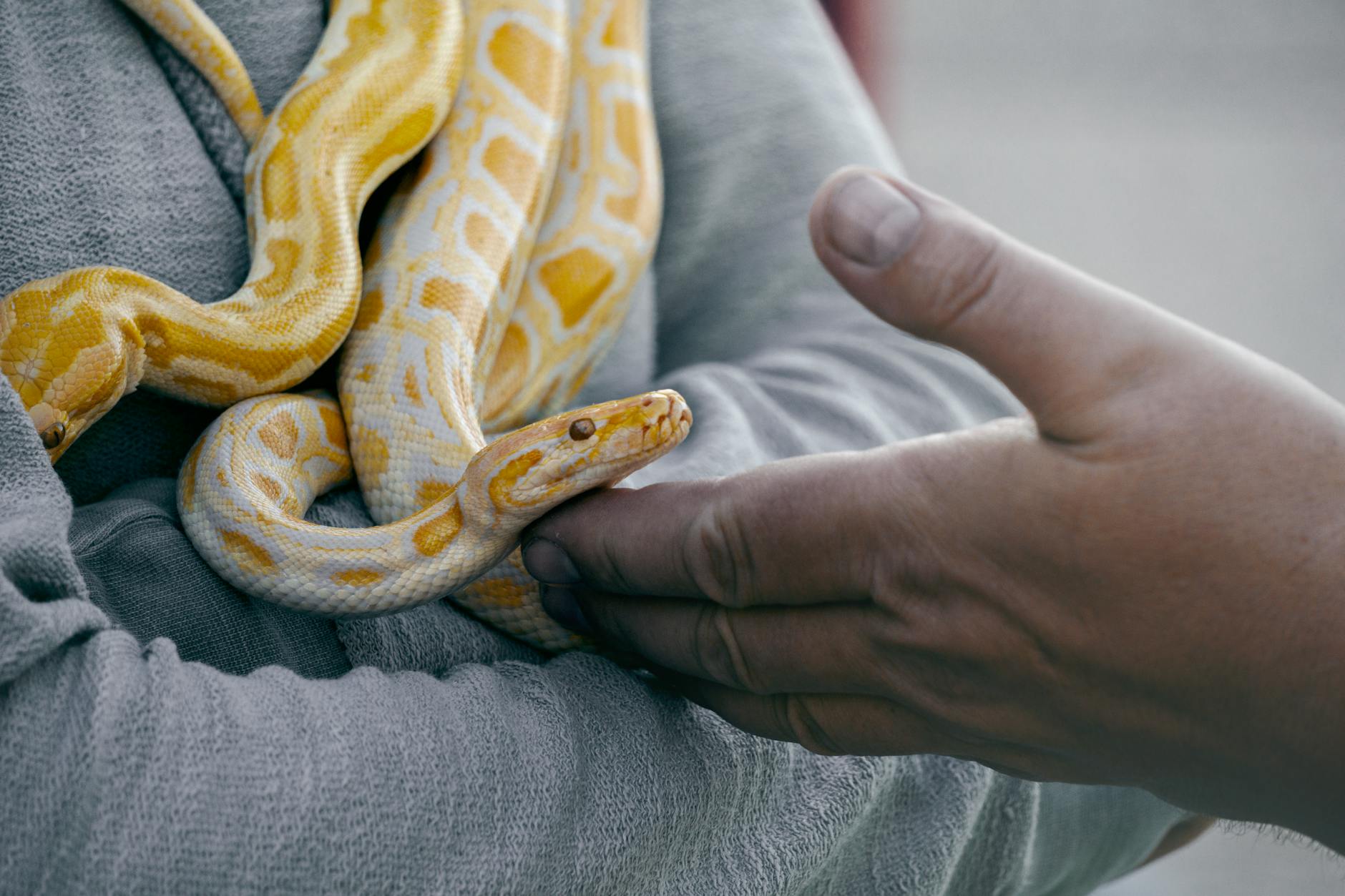
Pythons protect themselves through a multifaceted approach including camouflage, powerful muscles for constriction, a painful bite, and in some species, psychological tactics. How does a python protect itself? Through a captivating combination of physical prowess and opportunistic strategies.
Introduction: The Silent Guardians of the Reptilian World
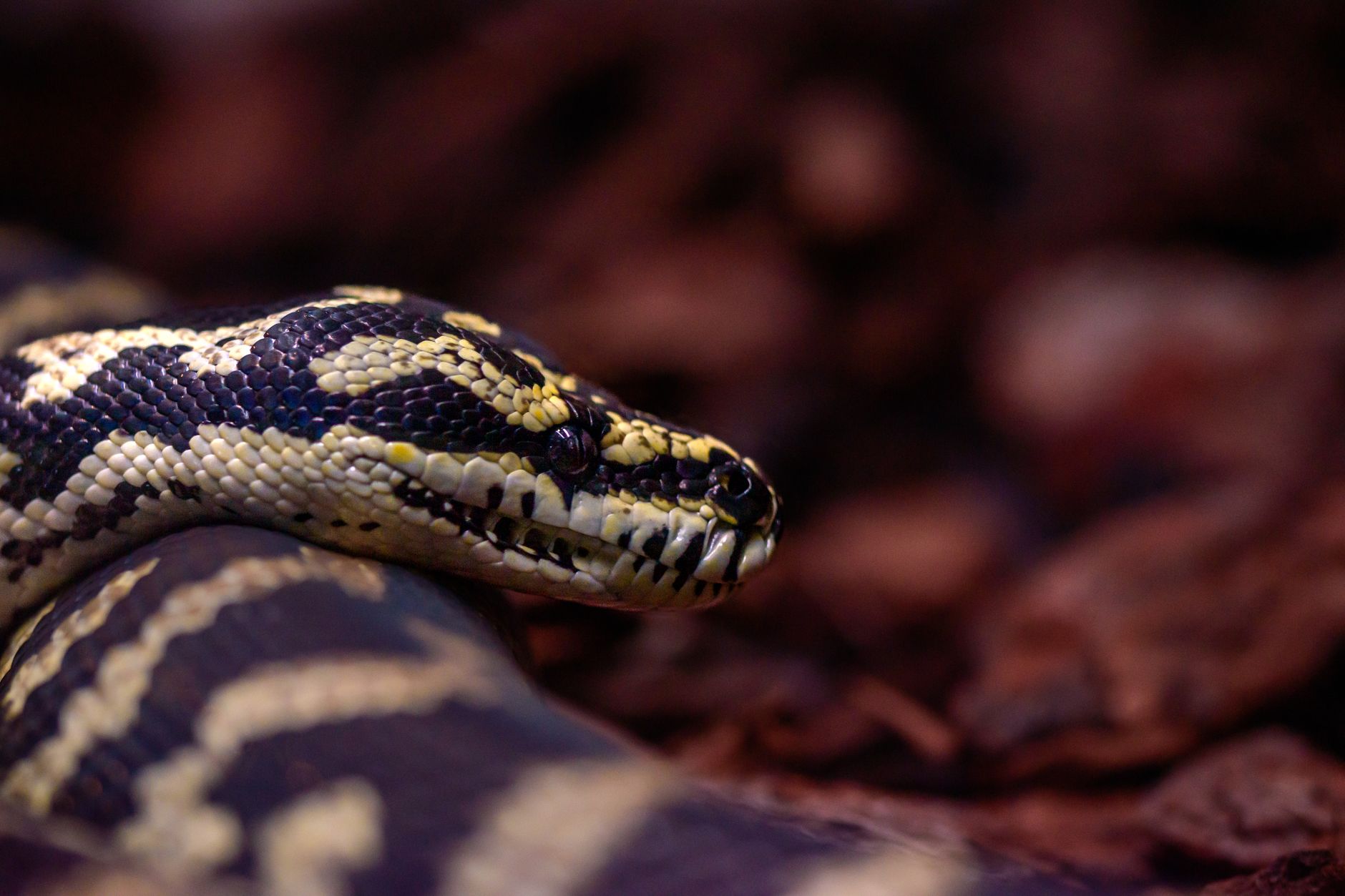
Pythons, renowned for their impressive size and non-venomous hunting style, are masters of survival. Their defense mechanisms are a testament to millions of years of evolution. While they lack venom, a common misconception fuels fear, their methods of self-preservation are surprisingly diverse and effective. This article will explore the various ways in which these magnificent creatures protect themselves from predators and other threats. From camouflage to brute strength, we delve into the arsenal that allows pythons to thrive in diverse ecosystems across the globe.
Is distilled water good for goldfish?
What colours are fish most attracted to?
Can you put your finger in a trout's mouth?
Is methylene blue anti bacterial?
Camouflage: The Art of Invisibility

One of the primary defense mechanisms for pythons is their incredible camouflage. Many species have patterns that blend seamlessly with their surroundings, allowing them to evade detection from both predators and prey.
- Coloration: Pythons utilize a range of colors, from greens and browns in forest environments to yellows and tans in arid landscapes, to mimic the vegetation and terrain around them.
- Patterns: Intricate patterns, such as blotches, stripes, and diamonds, further break up their outline, making them incredibly difficult to spot.
- Habitat Specificity: A python’s coloration is directly linked to its natural habitat. For example, the green tree python blends effortlessly into the foliage of rainforest canopies.
Constriction: A Deadly Embrace
Pythons are renowned for their constriction abilities, a powerful defense mechanism when cornered or challenged. This is often a last-resort defense.
- Muscular Strength: They possess incredibly strong muscles that allow them to squeeze their prey with immense force, cutting off circulation and leading to suffocation.
- Speed and Precision: The speed with which a python can coil around a threat is often underestimated. They are quick to react and efficiently apply pressure.
- Not Just for Hunting: While used primarily for subduing prey, constriction can also be used to deter larger predators, giving the python a chance to escape.
The Python Bite: More Than Just a Nuisance
While pythons are non-venomous, their bite can still be a formidable defense.
- Sharp Teeth: Pythons possess rows of sharp, backward-curving teeth that grip tightly onto their target. These teeth aren’t designed for tearing but for securing a firm hold.
- Powerful Jaws: The strength of their jaws ensures a painful and debilitating bite.
- Warning Signals: A python will often bite as a warning signal, hoping to deter a threat without having to engage in a full-blown confrontation.
Defensive Postures and Psychological Tactics
Beyond physical means, some pythons employ psychological tactics to deter predators.
- Hissing: A loud hiss can startle potential threats, giving the python time to escape.
- Body Inflation: Some species inflate their bodies to appear larger and more intimidating.
- Mock Strikes: Pythons may feign attacks to deter potential predators, making them think twice before approaching.
- Musk Secretion: Certain species secrete a foul-smelling musk as a defense mechanism, deterring predators with its unpleasant odor.
Avoiding Confrontation: The Best Defense
A key aspect of how does a python protect itself is avoidance. Pythons are inherently shy creatures and prefer to avoid confrontation whenever possible.
- Nocturnal Behavior: Many species are nocturnal, reducing their chances of encountering predators during the day.
- Staying Hidden: Pythons spend a significant amount of time hidden in burrows, under rocks, or among dense vegetation, minimizing their exposure to threats.
- Opportunistic Feeding: By preying on smaller animals, pythons avoid the risks associated with hunting larger, more dangerous prey.
How Does a Python Protect Itself: Vulnerability during Molting
Molting is a crucial but vulnerable time for pythons. During this process, their skin becomes more delicate, and their vision is temporarily impaired.
- Seeking Shelter: Pythons seek out secluded and safe locations to shed their skin, minimizing their risk of predation.
- Reduced Activity: They often become less active during molting, conserving energy and avoiding unnecessary movement.
- Increased Aggression: During this period, they may become more aggressive to defend themselves if threatened.
Python Defenses: Comparison
| Defense Mechanism | Description | Effectiveness |
|---|---|---|
| Camouflage | Blending with the environment through coloration and patterns. | Highly effective for avoiding detection. |
| Constriction | Squeezing prey or predators with powerful muscles. | Effective against smaller to medium-sized threats. |
| Biting | Using sharp teeth and strong jaws for a painful grip. | Effective as a warning and deterrent. |
| Defensive Postures | Hissing, body inflation, and mock strikes to intimidate threats. | Can deter less determined predators. |
| Avoiding Confrontation | Hiding, nocturnal behavior, and opportunistic feeding to minimize risk. | Highly effective for long-term survival. |
Frequently Asked Questions
What are the primary predators of pythons?
Pythons, despite their size and strength, are vulnerable to several predators. Common predators include large birds of prey (eagles, hawks), mammalian carnivores (leopards, crocodiles, alligators), and even other snakes, particularly king cobras. Juvenile pythons are especially vulnerable.
Do pythons actively hunt humans?
No, pythons do not actively hunt humans. They are opportunistic hunters that primarily prey on small to medium-sized animals. While attacks on humans are rare, they can occur, typically as a defensive response if the python feels threatened or is accidentally stepped on.
How does the size of a python affect its defense mechanisms?
Larger pythons are generally more confident in their defenses due to their increased strength and size. They are more likely to use constriction as a primary defense mechanism. Smaller pythons rely more on camouflage and hiding to avoid confrontation.
How effective is camouflage as a defense mechanism for pythons?
Camouflage is highly effective as a primary defense mechanism for pythons, especially those that live in dense vegetation or environments with varied terrain. It allows them to avoid detection by both predators and prey, conserving energy and minimizing the risk of confrontation.
Can a python survive an attack from a larger predator?
The survival of a python in an attack from a larger predator depends on several factors, including the size and strength of the predator, the size of the python, and the environment. A large python may be able to defend itself with constriction and biting, while a smaller python is more likely to rely on escape or camouflage.
What role does intelligence play in a python’s defense?
While pythons are not known for high intelligence, they exhibit adaptive behaviors that contribute to their defense. This includes learning to recognize potential threats, remembering safe hiding spots, and adjusting their hunting and defensive strategies based on past experiences.
How does a python’s environment influence its defense strategies?
The environment plays a crucial role in shaping a python’s defense strategies. Pythons in densely vegetated areas rely more on camouflage and ambush tactics, while those in open environments may be more reliant on speed and agility for escape. Additionally, climate and prey availability also influence defensive behavior.
Are there any specific python species known for their unique defense mechanisms?
Some python species have developed unique defense mechanisms tailored to their specific environments and threats. For example, the dwarf pythons of Australia are known for their small size and cryptic coloration, allowing them to blend seamlessly into the leaf litter.
What is the best way to avoid being bitten by a python?
The best way to avoid being bitten by a python is to respect their space and avoid approaching them. If you encounter a python in the wild, maintain a safe distance and allow it to move away on its own. Never attempt to handle or provoke a python.
How long can a python survive without eating, relying on its defenses?
Pythons can survive for extended periods without eating, sometimes several months or even a year, depending on their size, age, and metabolic rate. This ability is crucial during times of scarcity or when they are focused on molting or reproduction. During these periods, they are even more reliant on their defensive strategies.
What should you do if bitten by a python?
If bitten by a python, remain calm. While the bite is likely to be painful, it is usually not life-threatening. Wash the wound thoroughly with soap and water and seek medical attention if necessary, particularly if the bite is deep or shows signs of infection. It is important to ensure that no teeth fragments remain in the wound.
How does a python protect itself from smaller pests like ticks or mites?
Pythons protect themselves from smaller pests primarily through regular molting, which helps remove parasites from their skin. They may also seek out specific environments, such as basking in the sun or rubbing against rough surfaces, to dislodge parasites. Some evidence also suggests that certain species may benefit from symbiotic relationships with other organisms that help control parasite populations. So, how does a python protect itself from parasites? Through shedding and environmental interactions!