

Who Would Win: Polar Bear or Orca? A Clash of Arctic Titans
The orca, with its superior aquatic agility, power, and intelligence, would almost certainly defeat a polar bear in a direct confrontation in the water. Polar bears are formidable predators on land, but they are not equipped to handle the orca’s dominance in its oceanic environment.
Understanding the Apex Predators
The Arctic is a harsh and unforgiving environment, yet it teems with life, ruled by apex predators. Two of the most iconic creatures in this realm are the polar bear and the orca (killer whale). While they occupy different niches within the Arctic ecosystem, the question of Who would win polar bear or orca? is a captivating hypothetical scenario that allows us to appreciate the unique adaptations and strengths of each animal.

What colours are fish most attracted to?
Can you put your finger in a trout's mouth?
Is methylene blue anti bacterial?
Does aquarium salt raise pH in aquarium?
The Polar Bear: King of the Arctic Land

The polar bear (Ursus maritimus) is a powerful and highly specialized predator, perfectly adapted to survive on the sea ice. Its key characteristics include:
- Size and Strength: Adult males can weigh up to 1,500 pounds and stand over 8 feet tall on their hind legs. Their powerful build and sharp claws make them formidable on land and ice.
- Thick Fur: A dense coat of fur and a thick layer of blubber provide excellent insulation against the freezing Arctic temperatures.
- Hunting Strategy: Polar bears are primarily ambush predators, relying on stealth and patience to hunt seals at breathing holes or along the ice edge.
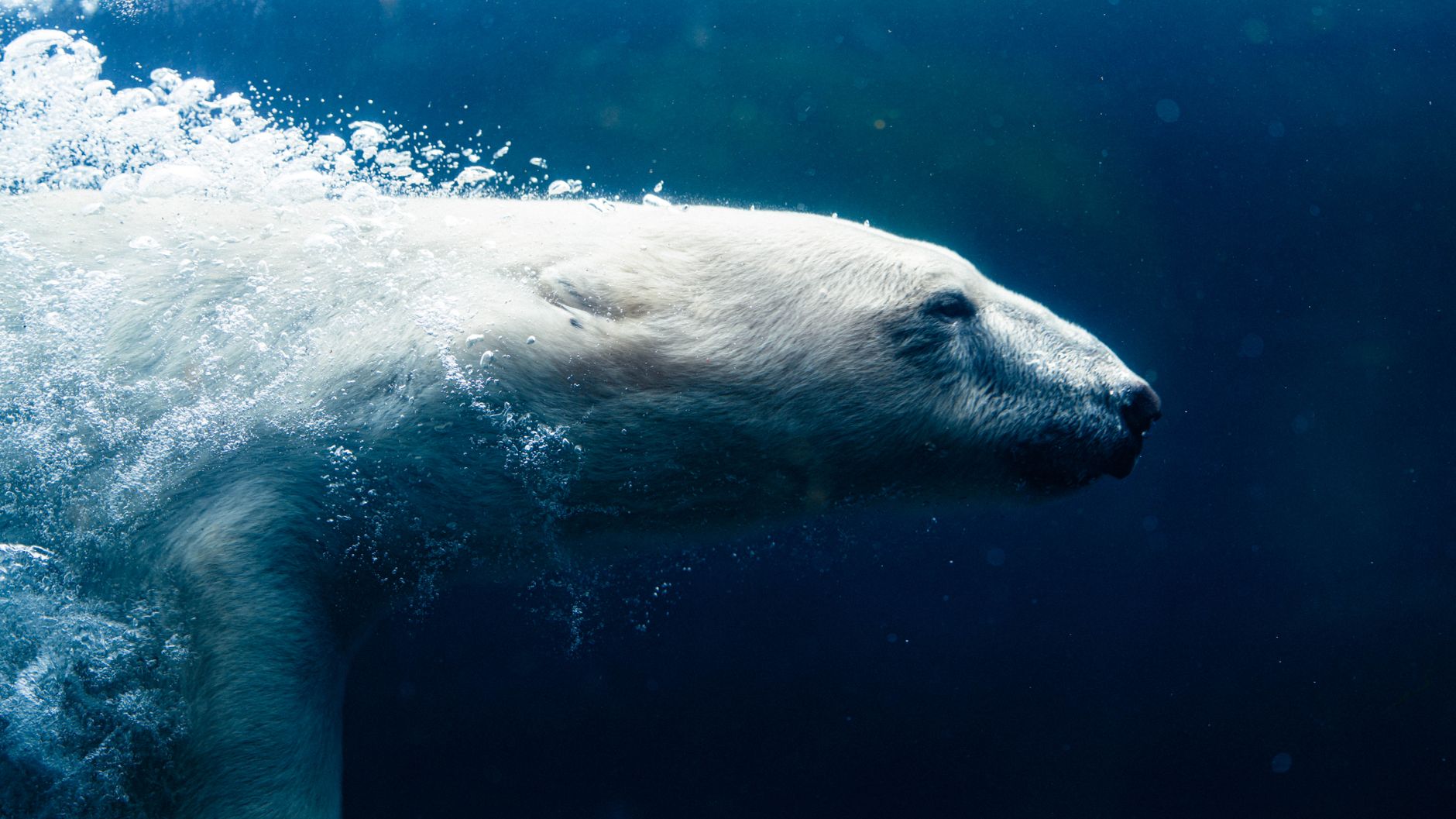
- Swimming Ability: While capable swimmers, polar bears are not designed for sustained aquatic pursuits. They primarily use their swimming abilities to travel between ice floes.
The Orca: Apex Predator of the Ocean
The orca (Orcinus orca), also known as the killer whale, is a highly intelligent and social marine mammal found in oceans worldwide, including the Arctic. Its key characteristics include:
- Size and Strength: Orcas are the largest members of the dolphin family, with males reaching up to 30 feet in length and weighing over 6 tons. Their streamlined bodies and powerful tails make them incredibly agile and fast swimmers.
- Intelligence and Social Structure: Orcas are highly intelligent and live in complex social groups called pods. They communicate using a variety of vocalizations and exhibit cooperative hunting strategies.
- Hunting Prowess: Orcas are apex predators with a diverse diet, including fish, seals, sea lions, penguins, and even other whales. They employ sophisticated hunting techniques, such as wave washing to knock seals off ice floes.
- Aquatic Dominance: Orcas are supremely adapted to the aquatic environment. Their powerful tails, flippers, and intelligence make them almost untouchable in the water.
The Hypothetical Encounter: Land vs. Sea
The central question is: Who would win polar bear or orca? To answer this, we must consider the likely setting of a confrontation. On land or ice, the polar bear would have a significant advantage. Its size, strength, and claws would make it a dangerous opponent. However, in the water, the tables turn dramatically.
Why the Orca Holds the Advantage
Several factors give the orca a clear advantage in a hypothetical aquatic battle:
- Superior Agility and Speed: Orcas are incredibly agile and fast swimmers, easily outmaneuvering a polar bear in the water. A polar bear, while capable of swimming, is significantly slower and less maneuverable.
- Cooperative Hunting: Orcas often hunt in pods, employing coordinated strategies to overwhelm their prey. This teamwork would make it nearly impossible for a polar bear to defend itself.
- Powerful Bite: Orcas possess powerful jaws and sharp teeth, capable of inflicting significant damage.
- Ramming Power: Orcas can use their massive bodies to ram and incapacitate their prey. A well-placed ram could severely injure or even kill a polar bear.
- Experience with Similar Prey: Orcas regularly hunt seals and sea lions, which are comparable in size and agility to polar bears in the water.
Circumstances Favoring a Polar Bear
Despite the orca’s overwhelming advantages in the water, there are specific circumstances where a polar bear might have a chance:
- Shallow Water: In extremely shallow water, the orca’s maneuverability would be limited, potentially allowing the polar bear to gain a foothold and use its claws.
- Young or Injured Orca: A polar bear might be able to successfully attack a young or injured orca that is separated from its pod. However, this scenario is highly unlikely.
| Feature | Polar Bear | Orca |
|---|---|---|
| Habitat | Sea ice, coastal areas | Oceans worldwide |
| Size | Up to 1,500 lbs, 8ft tall (standing) | Up to 6 tons, 30ft long |
| Strengths | Strength, claws, thick fur | Agility, intelligence, teamwork |
| Weaknesses | Limited aquatic agility | Vulnerable in shallow water |
| Key Adaptation | Cold tolerance | Aquatic dominance |
Frequently Asked Questions (FAQs)
Could a polar bear ever surprise an orca on land?
While theoretically possible, it’s highly improbable. Orcas are rarely found near shorelines in areas where polar bears roam. Even if they were, orcas are incredibly intelligent and are likely to detect a polar bear’s approach.
Do orcas and polar bears ever interact in the wild?
Encounters between orcas and polar bears are rare, given their differing habitats. However, as climate change melts sea ice, their ranges may increasingly overlap, potentially leading to more interactions.
What is the primary food source for orcas in the Arctic?
In the Arctic, orcas primarily feed on seals, beluga whales, narwhals, and various fish species.
How does climate change affect the polar bear’s hunting ability?
Climate change is drastically reducing sea ice, the polar bear’s primary hunting platform. This forces them to swim longer distances and expend more energy to find prey, making them vulnerable.
Could a polar bear use its claws effectively against an orca?
While a polar bear’s claws are formidable against seals, they would be far less effective against the thick blubber and skin of an orca, particularly underwater where the orca has complete control.
Are orcas known to hunt polar bears?
There are no confirmed reports of orcas actively hunting polar bears. However, given their opportunistic nature and hunting prowess, it’s not entirely impossible, especially if a polar bear is vulnerable in the water.
What role does intelligence play in this hypothetical fight?
Orcas’ superior intelligence is a significant advantage. They can strategize, communicate, and adapt their hunting techniques, making them far more effective predators.
How does the water temperature affect the outcome?
The frigid Arctic waters are more of a challenge for the polar bear, which, although well-insulated, is still expending energy to maintain its body temperature. The orca is perfectly adapted to these conditions.
Would the presence of a polar bear cub change the dynamic?
The presence of a cub might motivate the polar bear to be more aggressive and defensive. However, it would also make the polar bear more vulnerable and less agile in the water, ultimately favoring the orca.
Does the size difference between a male and female orca matter?
Even a smaller female orca would likely have the advantage over a polar bear in the water, due to her superior aquatic skills and intelligence. Size is less crucial than maneuverability in this scenario.
How does the thickness of a polar bear’s blubber influence its chances?
The polar bear’s blubber offers insulation, but it also adds bulk, making it less agile in the water. It does not compensate for the orca’s superior swimming ability and strength.
Who would win polar bear or orca in a neutral, constructed arena?
Even in a neutral arena consisting of both land and water, the orca would likely prevail by luring the polar bear into the water, where it holds all the advantages.