

What Kind of Water Do You Give a Puppy?
The best water for a puppy is plain, clean, and fresh tap water that has been filtered or allowed to sit for a while to dissipate any chlorine; alternatively, bottled spring water is a suitable alternative. What kind of water do you give a puppy? Always ensure it is accessible and changed regularly.

Introduction: Hydration is Crucial for Puppy Health
Proper hydration is absolutely vital for a puppy’s healthy development. Just like human babies, puppies are highly susceptible to dehydration, which can lead to serious health complications. Ensuring your puppy has access to the right kind of water is a cornerstone of responsible pet ownership. This article will explore the best hydration practices for puppies, addressing common concerns and providing expert-backed recommendations. The simple act of providing water can make a huge difference in your pup’s health!

Can fish hear water?
Is scruffing a puppy bad?
How do I add oxygen to my goldfish water?
Do carbon filters remove water hardness?
The Importance of Clean Water for Puppies
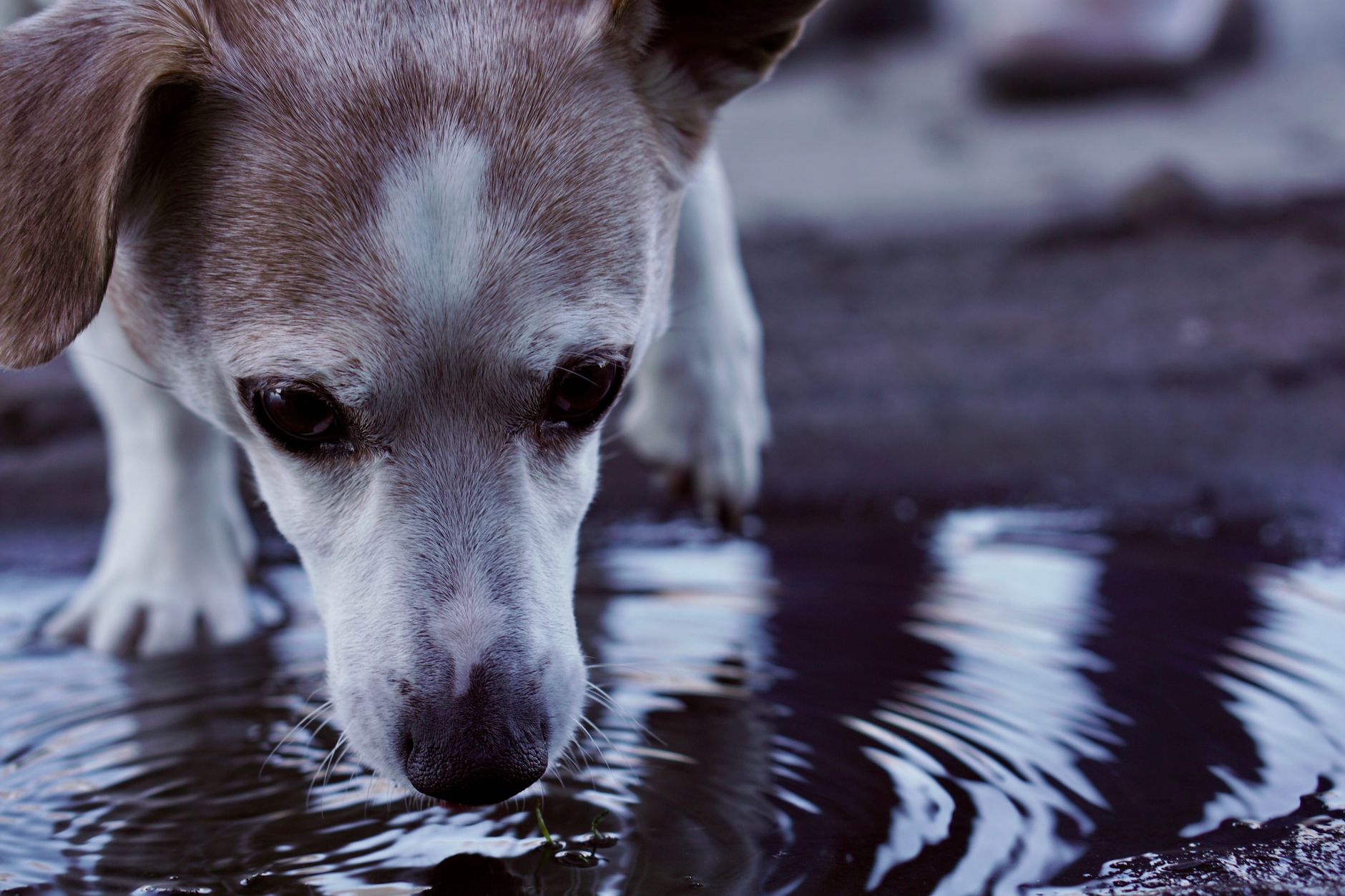
Puppies need more water per pound of body weight than adult dogs. Their bodies are still developing, and water plays a vital role in:
- Regulating body temperature
- Digesting food
- Absorbing nutrients
- Eliminating waste
- Lubricating joints
Without sufficient water, puppies can quickly become dehydrated, which can lead to lethargy, loss of appetite, and even organ damage. Therefore, providing clean and accessible water is non-negotiable.
Ideal Water Sources for Puppies
What kind of water do you give a puppy? The answer is not always straightforward. Here’s a breakdown of suitable and unsuitable water sources:
- Tap Water (Filtered or Settled): In many areas, tap water is perfectly safe for puppies, especially if filtered to remove impurities or allowed to sit for 24 hours so chlorine can dissipate.
- Bottled Spring Water: A great choice if you are concerned about the quality of your tap water. Ensure it is plain spring water and not flavored or mineral-enriched.
- Distilled Water: While generally safe, distilled water lacks minerals that are beneficial to puppies. It shouldn’t be the primary source of hydration.
- Well Water: Well water can be safe, but it needs to be regularly tested to ensure it is free from bacteria and contaminants.
- Avoid: Seawater, heavily chlorinated water, water from puddles or stagnant sources, and water with added sugars, flavors, or electrolytes (unless specifically prescribed by a vet).
Maintaining Freshness and Hygiene
Water bowls should be:
- Cleaned daily: Use soap and warm water to prevent bacteria buildup.
- Refilled frequently: Don’t let the water bowl sit empty for long periods.
- Positioned strategically: Place bowls in accessible locations, away from food to prevent contamination.
- Consider material: Stainless steel and ceramic bowls are easy to clean and less likely to harbor bacteria than plastic.
How Much Water Does a Puppy Need?
A general guideline is that puppies need approximately one ounce of water per pound of body weight per day. However, this can vary based on factors like:
- Activity level: Active puppies will need more water.
- Diet: Puppies eating dry food need more water than those eating wet food.
- Weather: Hot weather increases water needs.
- Health conditions: Certain medical conditions can affect hydration requirements.
Consult your veterinarian for personalized recommendations for your puppy.
Recognizing Dehydration in Puppies
Knowing the signs of dehydration is crucial for early intervention. Look out for:
- Lethargy: A noticeable decrease in energy levels.
- Dry gums: Sticky or tacky gums indicate dehydration.
- Sunken eyes: Eyes that appear less bright and sunken.
- Skin tenting: Gently pinch the skin on the back of the neck. If it doesn’t snap back quickly, the puppy may be dehydrated.
- Loss of appetite: A lack of interest in food and water.
If you suspect your puppy is dehydrated, seek veterinary attention immediately.
Water Bowl Options for Puppies
Choosing the right water bowl can encourage your puppy to drink. Consider these options:
| Bowl Type | Pros | Cons |
|---|---|---|
| Stainless Steel | Durable, easy to clean, hygienic, doesn’t leach chemicals | Can be noisy if the puppy knocks it around |
| Ceramic | Attractive, easy to clean, heavy (less likely to be tipped over) | Can chip or break |
| Plastic | Inexpensive, lightweight | Can harbor bacteria, can leach chemicals, may be easily chewed |
| Gravity Feeders | Convenient for refilling, ensures constant water supply | Can become contaminated if not cleaned regularly, may encourage overdrinking |
| Fountain Bowls | Encourages drinking with flowing water, filters out debris | Requires electricity, needs regular cleaning, some puppies may be afraid of the fountain |
Frequently Asked Questions (FAQs)
Is tap water always safe for puppies?
Tap water is generally safe for puppies in many areas, but it’s always a good idea to check with your local water authority to ensure its quality. Filtering the water or letting it sit for 24 hours before giving it to your puppy can help remove chlorine and other impurities. If you have any doubts, bottled spring water is a reliable alternative.
Can I give my puppy flavored water?
No, you should never give your puppy flavored water. Flavored waters often contain artificial sweeteners, sugars, and other additives that can be harmful to puppies. Plain, clean water is always the best choice.
Is it okay to give my puppy ice water?
While some puppies enjoy ice water, it’s important to offer it in moderation. Too much ice water can cause stomach upset. Room temperature or slightly chilled water is generally preferred.
My puppy doesn’t seem to drink much water. What should I do?
If your puppy isn’t drinking enough water, try different water bowl types, ensure the water is fresh and clean, and offer wet food to increase their fluid intake. If you’re concerned, consult your veterinarian to rule out any underlying medical conditions.
What about electrolyte solutions for puppies?
Electrolyte solutions should only be given to puppies under the guidance of a veterinarian. While they can be helpful in cases of dehydration, they can also be harmful if used incorrectly.
How often should I change my puppy’s water?
You should change your puppy’s water at least once a day, or more often if it becomes dirty or contaminated. Keeping the water fresh encourages your puppy to drink more.
Can I give my puppy water from a puddle or stream?
Never give your puppy water from a puddle or stream. These water sources are often contaminated with bacteria, parasites, and other harmful substances that can make your puppy sick.
Is bottled water better than tap water for puppies?
Bottled spring water can be a good option if you are concerned about the quality of your tap water. However, it’s not necessarily “better” as long as your tap water is safe and clean. Make sure it’s plain spring water without added flavors or minerals.
What if my puppy keeps tipping over their water bowl?
If your puppy is constantly tipping over their water bowl, try using a heavier ceramic or stainless steel bowl, or one with a non-slip base. You can also try placing the bowl in a corner to prevent it from being easily knocked over.
Can puppies drink sparkling water?
No, puppies should not drink sparkling water. The carbonation can cause bloating and discomfort. Always stick to plain, still water.
My puppy is teething. Will they need more water?
Teething can sometimes make it uncomfortable for puppies to eat and drink. Offer them slightly chilled water or ice cubes to soothe their gums. Monitor their water intake to ensure they are staying hydrated.
At what age can puppies start drinking water?
Puppies should start drinking water as soon as they are weaned from their mother’s milk, typically around 4-6 weeks of age. Always ensure they have access to fresh, clean water. What kind of water do you give a puppy? – The answer remains the same: plain, fresh, and accessible!