

Who Preys on Leopards? A Comprehensive Look
The ultimate predators, leopards, are rarely preyed upon in their adult form, but various animals, including lions, tigers, hyenas, wild dogs, and even other leopards, can pose a threat, especially to cubs and weaker individuals.
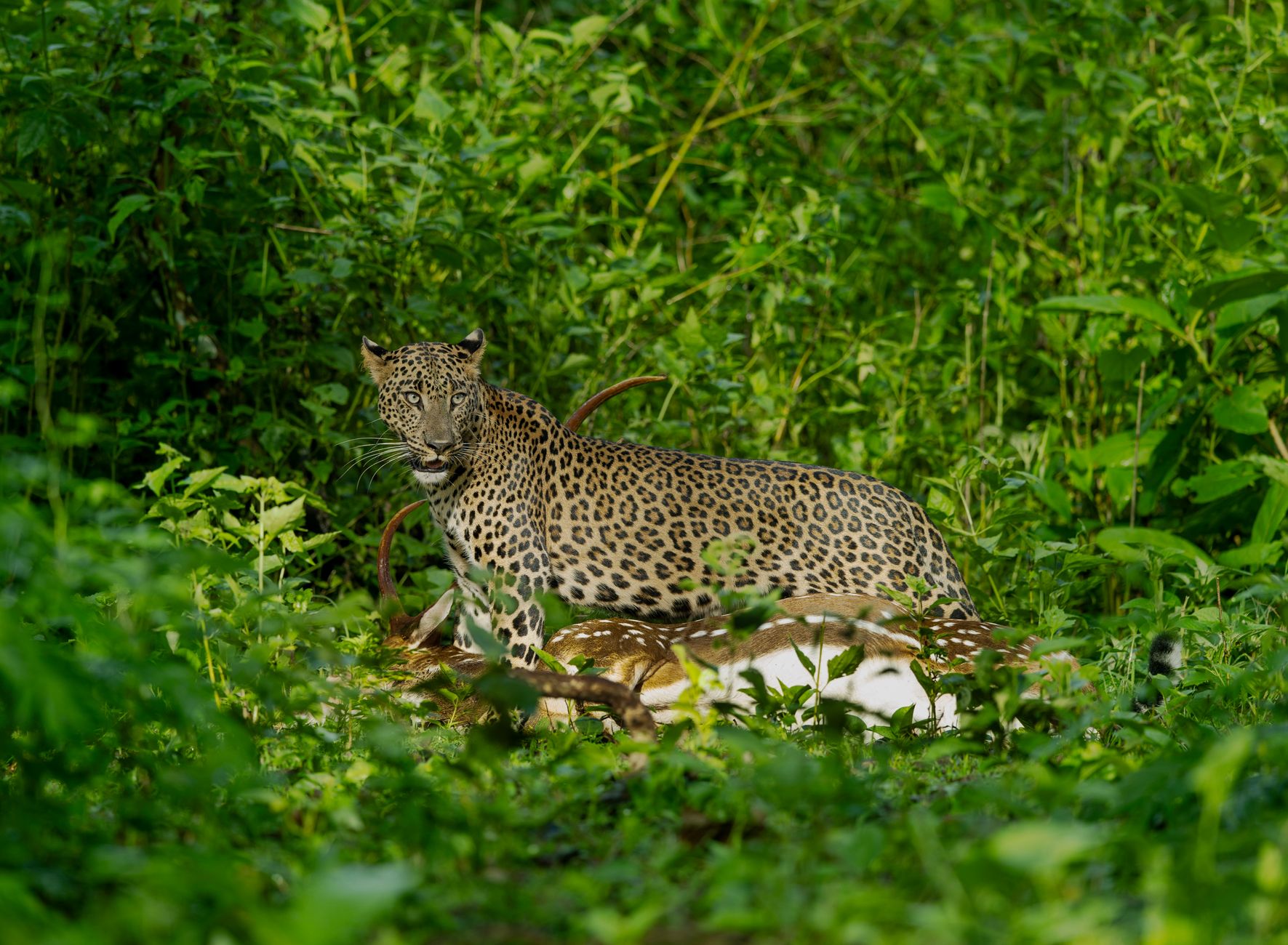
The Leopard: A Apex Predator Overview
Leopards (Panthera pardus) are renowned for their adaptability and hunting prowess. Found across Africa and Asia, these solitary creatures are masters of camouflage and ambush predation. Their diet is diverse, ranging from small mammals and birds to ungulates larger than themselves. They are also known for their ability to carry their prey into trees, safeguarding it from scavengers.
What colours are fish most attracted to?
Can you put your finger in a trout's mouth?
Is methylene blue anti bacterial?
Does aquarium salt raise pH in aquarium?
Threats to Leopard Cubs

While adult leopards are at the top of their food chain, their cubs are vulnerable. Young leopards are susceptible to:
- Lions: Lions are often the dominant predator in their shared territories and will kill leopard cubs to eliminate competition.
- Hyenas: Spotted hyenas, powerful scavengers and predators, can also target leopard cubs, especially if they are left unattended.
- Wild Dogs: African wild dogs, while smaller than leopards, hunt in packs and can overwhelm and kill leopard cubs.
- Other Leopards: Male leopards sometimes kill cubs that are not their own to bring the female into estrus and ensure their own genetic lineage continues.
Threats to Adult Leopards
Adult leopards are less frequently preyed upon, but certain circumstances can make them vulnerable:
- Lions: Territorial disputes between lions and leopards can result in the death of the leopard, particularly if it is a smaller or weaker individual. Lions also exhibit kleptoparasitism, stealing the leopard’s kills.
- Tigers: In areas where tigers and leopards coexist, tigers may occasionally kill leopards, although this is more commonly a case of competition for resources rather than predation.
- Human Activity: Habitat loss, poaching (for their pelts and body parts), and retaliatory killings due to livestock depredation are significant threats to leopard populations.
Competition and Kleptoparasitism
Even if not directly predated upon, leopards face constant competition with other carnivores. Lions and hyenas often steal their kills, forcing them to expend more energy to hunt again. This kleptoparasitism can negatively impact the leopard’s overall health and survival, particularly during times of scarcity.
Habitat Loss and Fragmentation
One of the most significant indirect threats to leopards is habitat loss and fragmentation. As human populations expand and land is converted for agriculture and development, leopard habitats shrink and become isolated. This leads to:
- Increased competition for resources.
- Higher rates of human-wildlife conflict.
- Reduced genetic diversity within leopard populations.
Human-Wildlife Conflict
Leopards sometimes prey on livestock, leading to retaliatory killings by farmers. This human-wildlife conflict is a major conservation challenge. Implementing strategies to mitigate this conflict, such as livestock guarding animals and improved livestock management practices, is crucial for protecting leopard populations.
Conservation Efforts
Various conservation efforts are underway to protect leopards, including:
- Anti-poaching patrols.
- Habitat protection and restoration.
- Community-based conservation programs.
- Research and monitoring to understand leopard ecology and threats.
Understanding Leopard Prey Dynamics
Understanding who preys on leopards? is essential to understanding the challenges facing this iconic animal. While adult leopards are apex predators, they are not immune to threats, particularly from larger predators and human activities.
Frequently Asked Questions About Leopard Predation
Who preys on leopards?
While adult leopards have few natural predators, primarily facing threats from lions and tigers in certain regions, their cubs are vulnerable to a wider range of predators, including lions, hyenas, wild dogs, and even other leopards. Human activity poses the most significant threat to all leopards through habitat loss and hunting.
What makes leopard cubs so vulnerable to predation?
Leopard cubs are smaller and less experienced than adults, making them easier targets for predators. Their mothers often leave them alone for extended periods while hunting, increasing their vulnerability.
How often do lions prey on adult leopards?
Direct predation on adult leopards by lions is relatively rare, but it does occur, especially during territorial disputes or when resources are scarce.
Do leopards ever prey on each other?
Yes, leopards, particularly males, may kill other leopards, especially cubs that are not their own. This is often driven by competition for resources and reproductive opportunities.
What role do hyenas play in the leopard food chain?
Hyenas are primarily scavengers, but they will also prey on leopard cubs if given the opportunity. They also compete with leopards for food, often stealing their kills.
How does habitat loss affect leopard predation?
Habitat loss forces leopards into smaller, more fragmented areas, increasing their encounters with other predators and human settlements, both of which heighten the risk of predation and conflict.
What can be done to reduce human-wildlife conflict involving leopards?
Effective strategies include livestock guarding animals, improved livestock management practices, community education programs, and compensation schemes for livestock losses.
Are there any areas where leopards are particularly vulnerable to predation?
Leopards are particularly vulnerable in areas where they coexist with larger predators, such as lions and tigers, and in areas with high levels of human activity.
How does poaching affect leopard populations?
Poaching not only directly reduces leopard numbers but also disrupts their social structure and makes them more vulnerable to other threats.
What is the biggest threat facing leopards today?
While predation plays a role, habitat loss and fragmentation are the biggest threats to leopard populations globally.
How can I help protect leopards?
You can support leopard conservation by donating to reputable conservation organizations, raising awareness about the threats facing leopards, and advocating for policies that protect their habitat.
What regions are at most risk for Leopard Extinction?
Areas with high human population density, habitat fragmentation, and/or co-existence with apex predators such as lions and tigers include South East Asia, parts of Africa and fragmented populations around areas with high poaching levels.