
How to Sedate Your Dog Safely for Grooming: A Comprehensive Guide
Safely sedating your dog for grooming requires careful planning and veterinary consultation. Never self-medicate your dog; always seek guidance from a licensed veterinarian to determine the appropriate medication and dosage.

Understanding the Need for Sedation
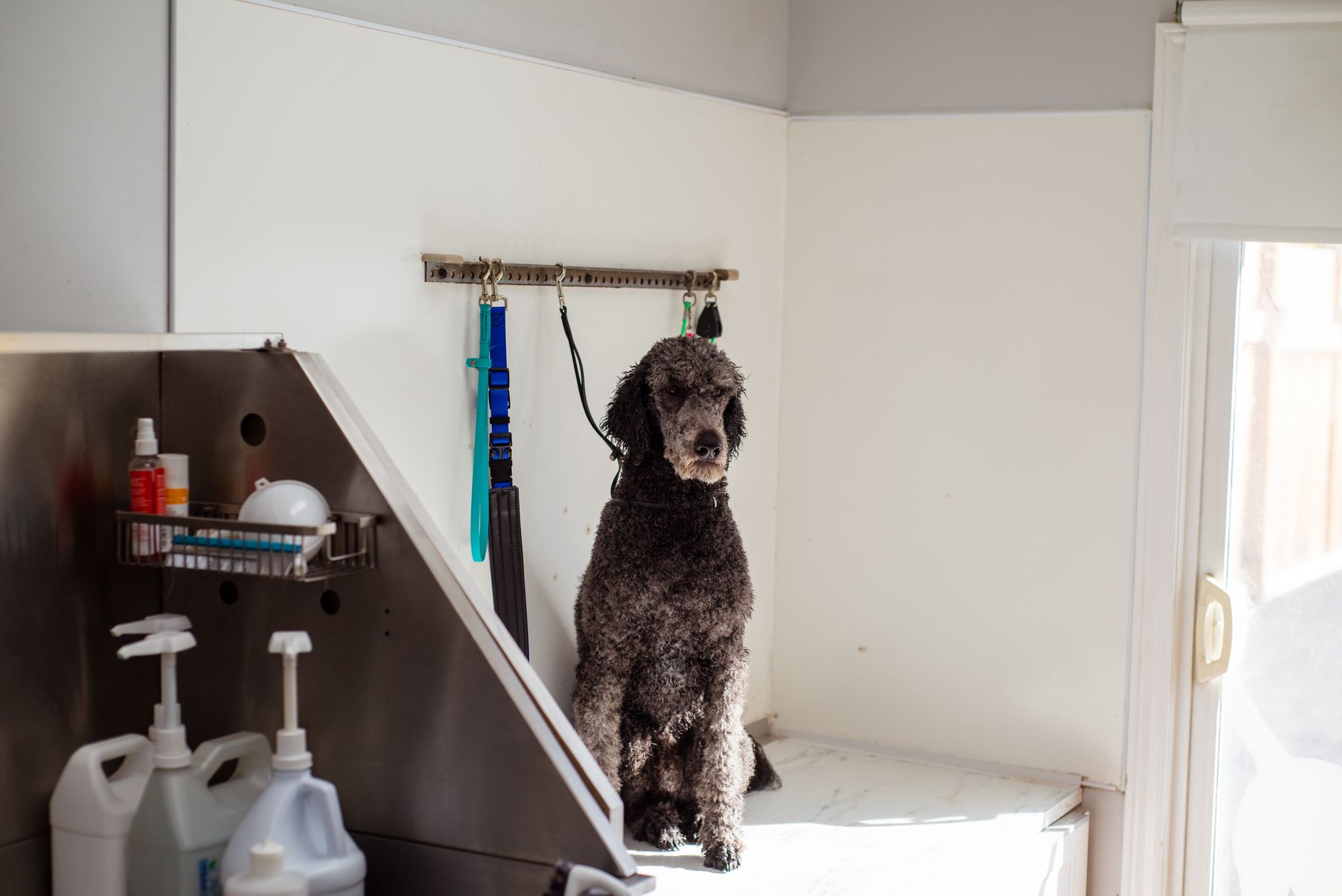
Grooming can be a stressful experience for many dogs. Factors such as sensitivity to touch, anxiety around unfamiliar environments or equipment, and past negative experiences can all contribute to their unease. While positive reinforcement training and desensitization techniques are ideal, they’re not always sufficient, especially for dogs with severe anxiety or aggression issues related to grooming. In these instances, sedation, under the direct supervision of a veterinarian, may be necessary to ensure the safety and well-being of both the dog and the groomer.
Benefits of Veterinary-Supervised Sedation

The primary benefit of veterinary-supervised sedation is the ability to safely and humanely groom dogs who would otherwise be too anxious or aggressive to handle. This prevents injury to the dog and the groomer. Other benefits include:
- Reduced Stress: Sedation minimizes the dog’s stress and anxiety during the grooming process.
- Improved Grooming Quality: A calmer dog allows for more precise and thorough grooming.
- Prevention of Injury: Reduces the risk of the dog biting, scratching, or injuring itself.
- Allows for Necessary Procedures: Enables the completion of grooming tasks that would be impossible otherwise, such as nail trims or mat removal.
The Importance of Veterinary Consultation
How can I safely sedate my dog for grooming? The first and most important step is to consult with your veterinarian. They will conduct a physical examination and review your dog’s medical history to determine if sedation is appropriate and to identify any potential risks. The veterinarian will also select the most suitable sedative based on your dog’s individual needs, temperament, and health condition. Never attempt to sedate your dog without veterinary guidance.
Sedation Options Available
Various sedative medications are available for dogs, each with its own advantages and disadvantages. Some common options include:
- Oral Sedatives: These are administered at home before the grooming appointment and may include medications like trazodone or gabapentin.
- Injectable Sedatives: These are administered by a veterinarian, often providing a deeper level of sedation. Examples include dexmedetomidine (commonly used with other medications) and butorphanol.
- Inhalant Anesthetics: In some cases, a veterinarian might opt for a short-acting inhalant anesthetic like isoflurane for a deeper level of sedation, typically for more invasive grooming procedures.
The choice of sedative depends on the dog’s anxiety level, the type of grooming being performed, and the veterinarian’s preference.
Preparing Your Dog for Sedation
Prior to the grooming appointment, follow your veterinarian’s instructions carefully. This may include:
- Fasting: Withholding food for a specified period (usually overnight) to reduce the risk of vomiting during sedation.
- Water Access: Allowing access to water until a few hours before the appointment.
- Medication Administration: Giving pre-sedation medications as prescribed by the veterinarian.
- Transportation: Ensuring your dog is transported safely and comfortably to the veterinary clinic or groomer.
The Grooming Process Under Sedation
During the grooming process, the groomer will work carefully and efficiently while the dog is sedated. The veterinarian or a veterinary technician should monitor the dog’s vital signs, including heart rate, breathing, and temperature, throughout the procedure. The groomer should be experienced in working with sedated animals and take extra precautions to prevent injury.
Post-Grooming Care
After the grooming session, your dog will need a quiet and comfortable place to recover. Follow your veterinarian’s instructions regarding:
- Monitoring: Observing your dog for any signs of adverse reactions to the sedative.
- Feeding: Gradually reintroducing food and water.
- Activity: Restricting activity until the sedative wears off completely.
- Comfort: Providing a calm and reassuring environment.
Common Mistakes to Avoid
Several common mistakes can jeopardize your dog’s safety when attempting to sedate them for grooming:
- Self-Medication: Administering medications without veterinary guidance. This is extremely dangerous.
- Incorrect Dosage: Giving an inappropriate dose of medication, leading to over- or under-sedation.
- Ignoring Medical History: Failing to inform the veterinarian about pre-existing medical conditions.
- Improper Monitoring: Not closely monitoring the dog’s vital signs during and after sedation.
- Using Expired Medications: Expired medication might be ineffective or even harmful.
Alternatives to Sedation
Before resorting to sedation, explore alternative approaches to help your dog cope with grooming:
- Desensitization: Gradually exposing your dog to grooming tools and procedures in a positive and controlled manner.
- Counter-Conditioning: Associating grooming with positive experiences, such as treats and praise.
- Professional Training: Working with a certified dog trainer to address anxiety and behavioral issues.
- Short, Frequent Sessions: Breaking grooming into shorter, more manageable sessions.
Frequently Asked Questions (FAQs)
Is it safe to sedate my dog for grooming at home?
No, it is generally not safe to sedate your dog for grooming at home without direct veterinary supervision. How can I safely sedate my dog for grooming? The safest method involves a veterinarian prescribing and monitoring the medication. At-home sedation without this can lead to dangerous complications.
What are the potential side effects of sedatives?
Potential side effects of sedatives can include decreased heart rate, decreased respiration rate, vomiting, and, in rare cases, allergic reactions. Your veterinarian will discuss these risks with you before prescribing any medication.
How long does sedation last in dogs?
The duration of sedation varies depending on the type of sedative, the dosage, and the individual dog’s metabolism. Your veterinarian can provide an estimate of how long the effects will last.
Can I use human sedatives on my dog?
Never administer human sedatives to your dog without explicit veterinary approval. Many human medications are toxic to dogs, and even those that are safe can have unpredictable effects.
How much does it cost to sedate a dog for grooming?
The cost of sedation varies depending on the medication used, the veterinarian’s fees, and the length of the grooming session. Contact your veterinarian for a specific price quote.
What should I do if my dog has a bad reaction to the sedative?
If you suspect your dog is having a bad reaction to the sedative, contact your veterinarian immediately. Be prepared to describe the symptoms you are observing.
Are there any dogs that should not be sedated?
Dogs with certain medical conditions, such as heart disease, liver disease, or kidney disease, may not be suitable candidates for sedation. Your veterinarian will assess your dog’s health status before recommending sedation.
Can I give my dog Benadryl to calm them down for grooming?
While Benadryl (diphenhydramine) can have a mild sedative effect in some dogs, it is not a reliable or predictable sedative. It’s best to consult with your veterinarian about more effective and safer options. Furthermore, Benadryl can have paradoxical effects in some dogs, causing hyperactivity.
What is Trazodone for dogs?
Trazodone is an antidepressant and anti-anxiety medication that is sometimes prescribed by veterinarians to help dogs with anxiety, including anxiety related to grooming. It can be administered alone or in combination with other sedatives.
My groomer said they can sedate my dog; is this okay?
It is imperative that your dog is sedated only by a licensed veterinarian or under direct veterinary supervision. Groomers are generally not qualified or legally authorized to administer sedatives.
What if my dog won’t take the oral sedative?
If your dog refuses to take the oral sedative, try hiding it in a small amount of palatable food, such as cheese or peanut butter (ensure no xylitol is present in peanut butter). If that doesn’t work, contact your veterinarian for alternative administration methods.
How can I make grooming less stressful for my dog without sedation?
You can make grooming less stressful for your dog by using positive reinforcement techniques, such as rewards and praise, gradually exposing them to grooming tools and procedures, and creating a calm and relaxing environment. Short, frequent grooming sessions can also help.