

Which Peacock is More Beautiful?: Unveiling Nature’s Masterpiece
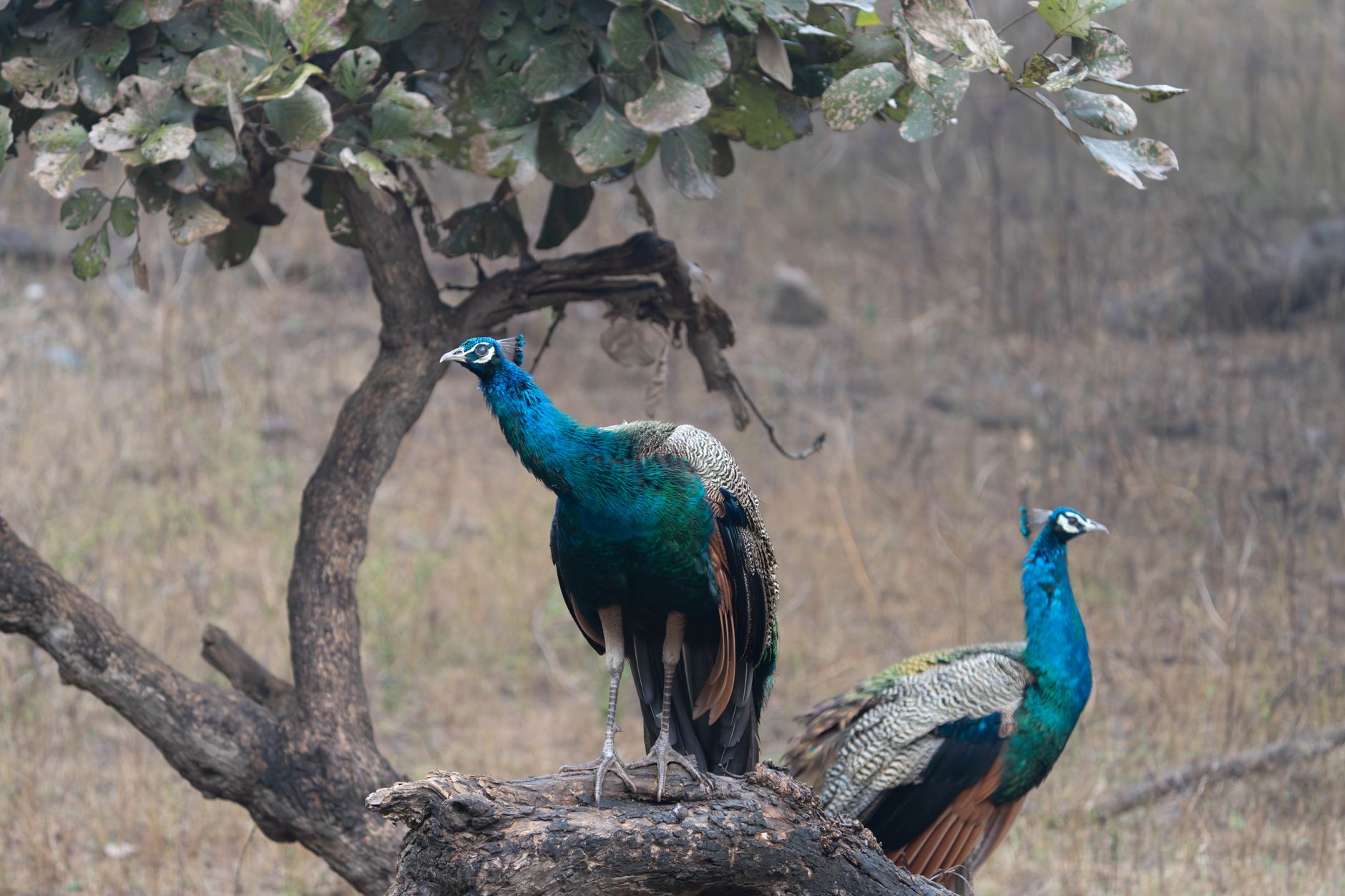
Ultimately, beauty is subjective, but generally, the Indian Blue Peacock (Pavo cristatus) is considered by many to be the most beautiful peacock species due to its iridescent blue and green plumage, elaborate train, and widespread recognition.
Introduction: The Allure of Peacock Beauty
The peacock, a bird synonymous with splendor and elegance, has captivated humanity for millennia. Revered in art, mythology, and culture, these magnificent creatures are a testament to nature’s artistic prowess. But when faced with the question, Which peacock is more beautiful?, the answer becomes less straightforward than one might expect. The very definition of beauty is subjective, resting in the eye of the beholder. However, certain species and variations within those species consistently garner more attention and admiration than others, prompting a deeper exploration into the factors that contribute to perceived beauty in these avian wonders.
What colours are fish most attracted to?
Can you put your finger in a trout's mouth?
Is methylene blue anti bacterial?
Does aquarium salt raise pH in aquarium?
Peacock Species: A Diverse Palette
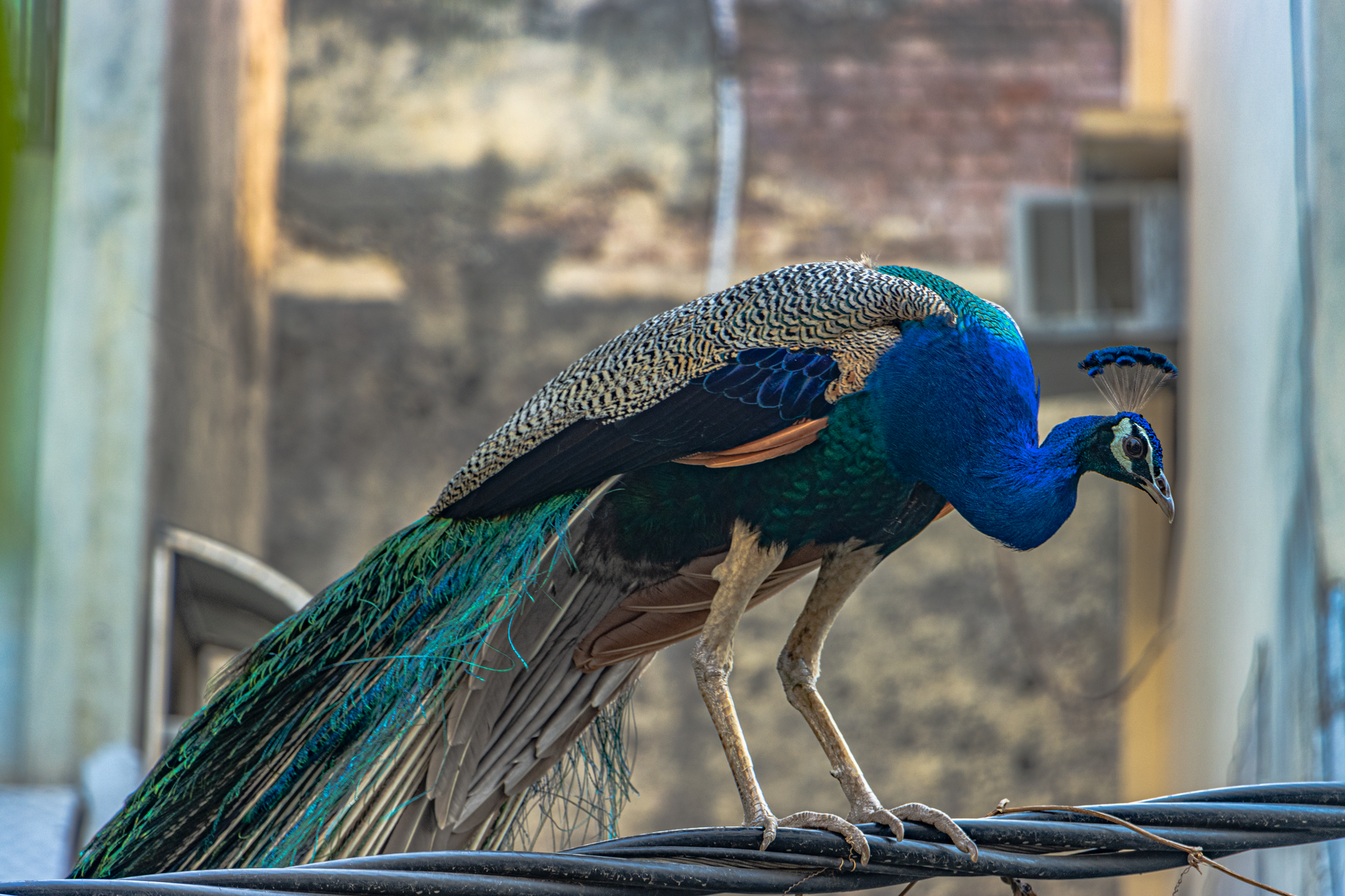
While “peacock” is often used generically, it specifically refers to the male of three species, with peahens being the females:
- Indian Blue Peacock (Pavo cristatus): The most familiar species, known for its vibrant blue body and iridescent green and blue train.
- Green Peacock (Pavo muticus): Native to Southeast Asia, this species boasts a metallic green and bronze plumage, a more upright posture, and a distinct crest.
- Congo Peacock (Afropavo congensis): Endemic to the Democratic Republic of Congo, this rarer species is less flamboyant, displaying a darker blue and green coloration.
It is important to note that various color mutations also exist within these species, further contributing to the diversity of peacock appearances.
Factors Influencing Perceived Beauty
Several elements contribute to the perception of beauty in peacocks:
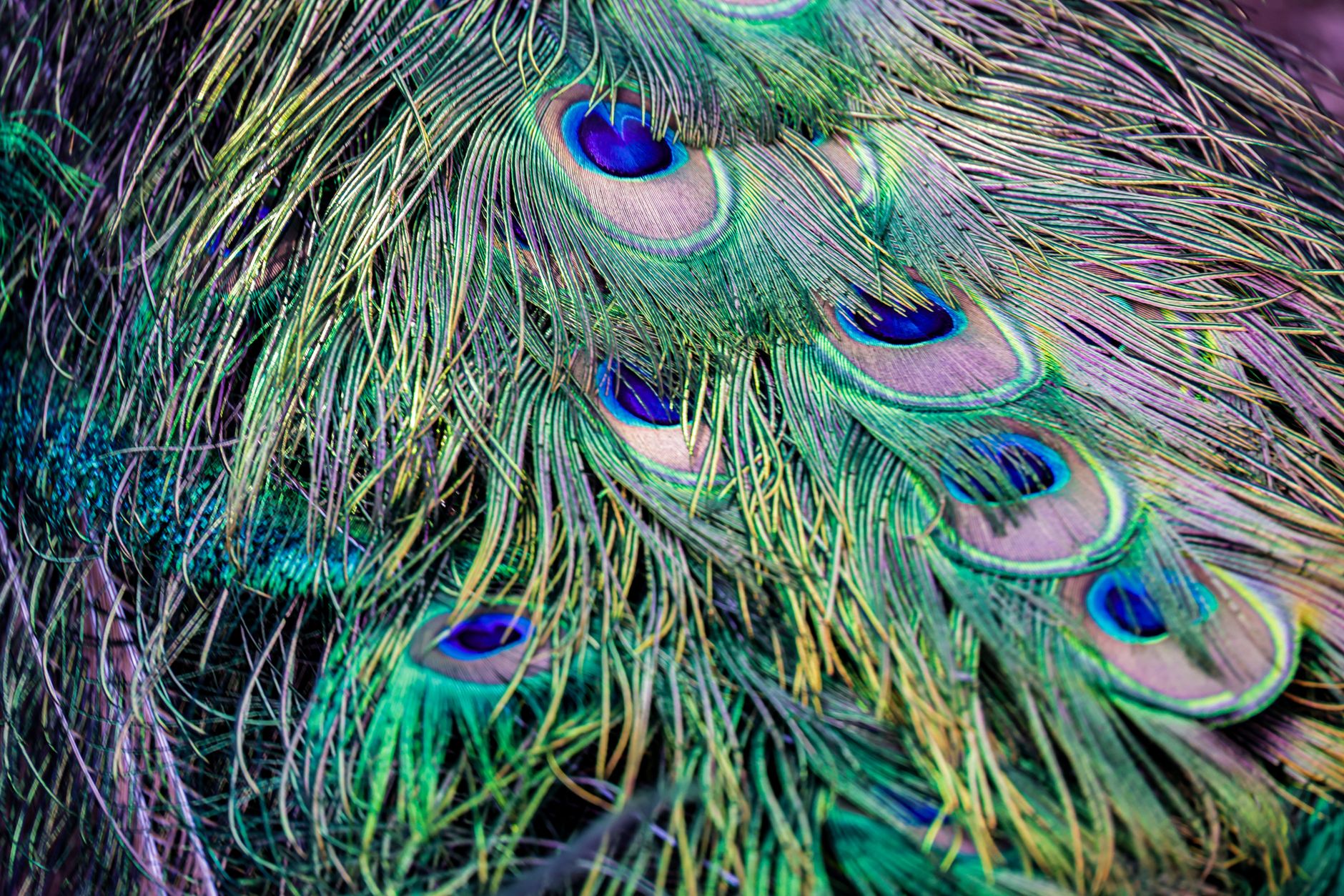
- Color Iridescence: The ability of peacock feathers to change color depending on the angle of light, created by microscopic structures, is a primary source of their allure.
- Train Length and Complexity: The magnificent train, comprising elongated upper tail coverts, is a key display feature. Length, fullness, and the pattern of the eyespots (ocelli) play a significant role.
- Body Plumage: The color and texture of the peacock’s body feathers also contribute to its overall appeal.
- Behavioral Displays: The intricate dance performed by the peacock to attract a mate, showcasing his train to its fullest, further enhances his perceived beauty.
- Cultural Significance: Historically, different cultures have associated various peacock species with specific meanings, influencing preferences.
The Reigning Champion: The Indian Blue Peacock
Despite the diversity, the Indian Blue Peacock typically reigns supreme in popularity and perceived beauty. This is likely due to several factors:
- Widespread Distribution: It’s the most commonly seen peacock, making it the most familiar to most people.
- Vibrant Colors: The striking contrast between the deep blue body and the iridescent green and blue train is visually captivating.
- Elaborate Train Display: The Indian Blue Peacock’s train is particularly long and boasts a complex pattern of eyespots.
- Cultural Integration: It has been incorporated into various cultures for centuries, further cementing its iconic status.
The Underdog: The Green Peacock’s Unique Charm
While the Indian Blue Peacock often takes the spotlight, the Green Peacock possesses its own unique charm. Its metallic green and bronze plumage, coupled with its elegant posture, offers a different kind of beauty – one that is perhaps more refined and understated. However, the Green Peacock is endangered, making it less common to see and thus, potentially, less appreciated.
Color Mutations: A Spectrum of Beauty
Beyond the standard species, color mutations create a breathtaking spectrum of peacock appearances. Examples include:
- White Peacocks: Lacking pigmentation, these peacocks display pure white plumage, offering an ethereal beauty.
- Peach Peacocks: Exhibiting a warm, peach-colored plumage, these peacocks are less common but undeniably striking.
- Opal Peacocks: This beautiful peacock has a more neutral color that is highly sought after.
These variations demonstrate that beauty exists beyond the traditional standards.
Table: Comparing Peacock Species
| Feature | Indian Blue Peacock (Pavo cristatus) | Green Peacock (Pavo muticus) | Congo Peacock (Afropavo congensis) |
|---|---|---|---|
| Main Color | Blue and Green | Metallic Green and Bronze | Dark Blue and Green |
| Train Length | Long | Shorter | Absent |
| Train Complexity | High | Moderate | N/A |
| Distribution | India and Sri Lanka | Southeast Asia | Democratic Republic of Congo |
| Conservation Status | Least Concern | Endangered | Vulnerable |
The Ultimate Question: Beauty is in the Eye of the Beholder
In the end, Which peacock is more beautiful? is a matter of personal preference. While the Indian Blue Peacock may be the most widely recognized and admired, the Green Peacock and various color mutations offer alternative forms of beauty that appeal to different aesthetic sensibilities. Appreciating the diversity of peacock appearances allows us to fully embrace the beauty of nature.
Frequently Asked Questions (FAQs)
Is the Indian Blue Peacock the only peacock species?
No, the Indian Blue Peacock is not the only peacock species. There are two other distinct species: the Green Peacock (Pavo muticus) and the Congo Peacock (Afropavo congensis). Furthermore, various color mutations exist within the Indian Blue Peacock species.
What makes peacock feathers iridescent?
Peacock feathers owe their iridescence to microscopic structures within the feathers themselves. These structures act like prisms, splitting light into different colors based on the angle of incidence. This creates the shimmering, color-changing effect we associate with peacock feathers.
Do peahens have trains like peacocks?
No, peahens do not have the long, elaborate trains that peacocks are known for. Peahens are typically more modestly colored and lack the showy display features of their male counterparts.
Why do peacocks display their trains?
Peacocks display their trains primarily to attract mates. The larger and more elaborate the train, the more attractive the peacock is to peahens. The display also serves to signal the peacock’s health and genetic fitness.
Are white peacocks albino?
Most white peacocks are not true albinos. Instead, they typically have a genetic condition called leucism, which results in a reduction of pigment but not a complete absence. True albinos would also have pink eyes.
Are peacocks native to North America?
No, peacocks are not native to North America. They have been introduced to the continent and can sometimes be found in feral populations or as pets.
How long does it take for a peacock to grow its train?
It takes a peacock approximately three years to fully grow its train. The train reaches its full length and complexity during the peacock’s breeding season.
What is the purpose of the “eyespot” pattern on peacock feathers?
The eyespot pattern on peacock feathers serves multiple purposes. Firstly, it enhances the visual appeal of the train, making it more attractive to peahens. Secondly, the eyespots may startle or deter potential predators.
Can peacocks fly?
Yes, peacocks can fly, although they are not particularly strong fliers. They typically fly short distances to escape danger or reach higher perches.
What is the lifespan of a peacock?
Peacocks typically live for 10-25 years in the wild, and even longer in captivity.
Which is more expensive, a peach peacock or an opal peacock?
Both peach and opal peacocks are rare and desirable color mutations, however opal peacocks are typically more expensive than peach peacocks due to the perceived rarity and unique coloring.
Is it ethical to keep peacocks as pets?
Whether it is ethical to keep peacocks as pets depends on several factors. Peacocks require a large amount of space, specialized care, and appropriate climate conditions to thrive. If these needs cannot be met, keeping a peacock as a pet is likely unethical. Furthermore, owning peacocks may be restricted in some areas.