
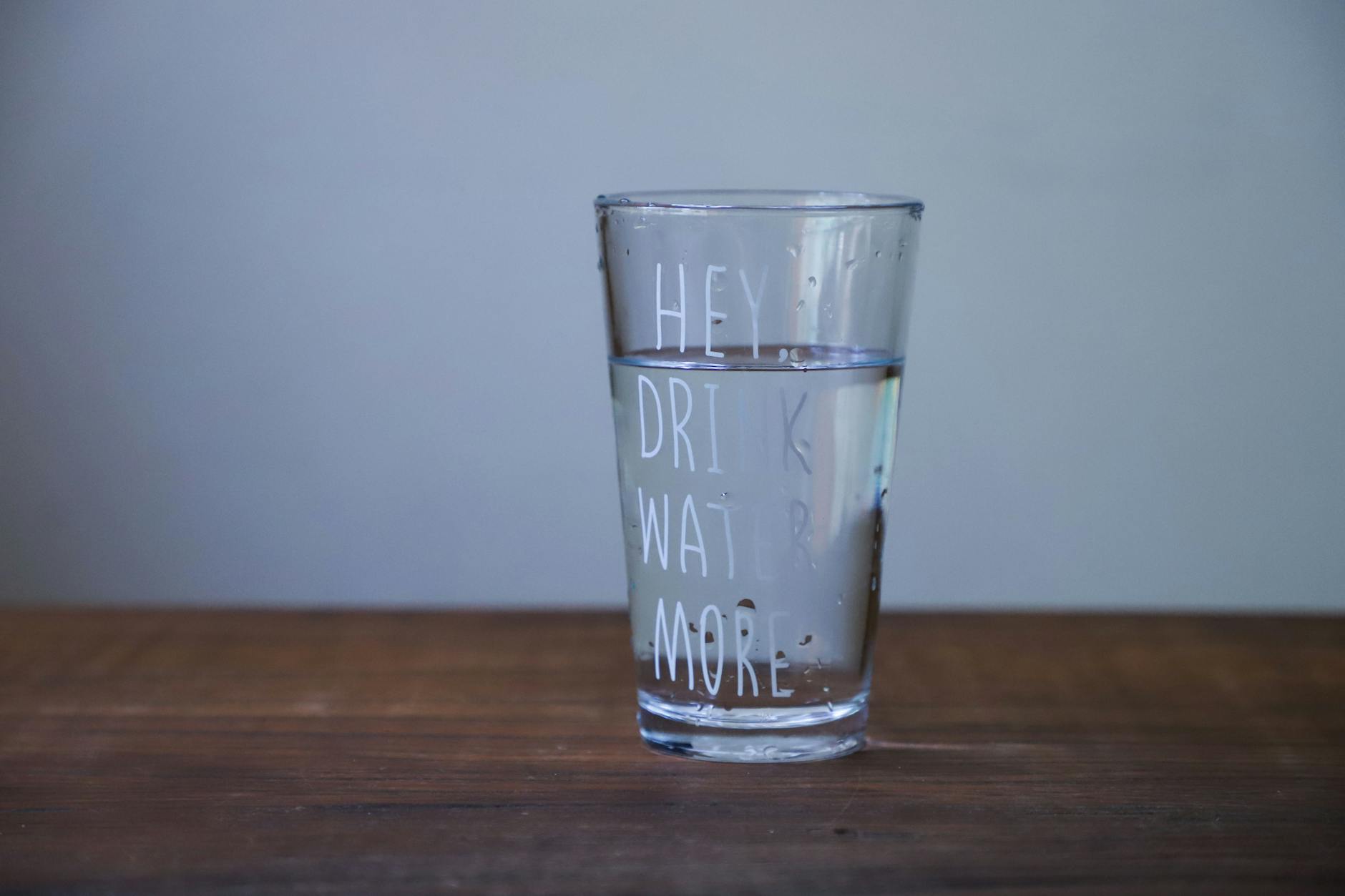
Is it Safe to Drink Water Left Out Overnight?
Generally, it’s considered safe to drink water that’s been left out overnight, but certain factors affect its safety. However, leaving water out for extended periods may increase the risk of contamination.

Introduction: The Nighttime Hydration Question
Many people keep a glass or bottle of water by their bed to stay hydrated throughout the night. The convenience is undeniable, but concerns about water quality inevitably arise. Is it safe to drink water left out overnight? This article explores the factors that affect the safety of water left standing, providing expert insight and practical advice to help you make informed decisions about your nighttime hydration.
Can fish hear water?
How do I add oxygen to my goldfish water?
Do carbon filters remove water hardness?
What is the GREY African clawed frog?
The Science Behind Stale Water
Water, even seemingly pure water, isn’t entirely sterile. It can contain trace amounts of minerals, organic matter, and microorganisms. While tap water is treated to kill harmful bacteria, the residual chlorine or chloramine disinfectant dissipates over time. This allows bacteria that may have been present in small quantities to multiply.
Furthermore, water left in an open container is exposed to air. The air contains dust, pollen, and other airborne particles that can fall into the water. These particles provide nutrients that can fuel bacterial growth.
Factors Affecting Water Quality
Several factors determine how quickly water degrades in quality and how risky it becomes to drink. These include:
- Source of the Water: Tap water, filtered water, and bottled water all have different starting points in terms of purity.
- Type of Container: The material of the container affects bacterial growth. Certain plastics might leach chemicals into the water over time. Glass is generally considered safer.
- Ambient Temperature: Warmer temperatures accelerate bacterial growth.
- Exposure to Light: Light can promote the growth of algae and certain bacteria.
- Length of Time: The longer water sits out, the greater the chance of contamination.
Potential Risks of Drinking Stale Water
While the risk is generally low, drinking water that has been left out overnight can pose some potential health risks:
- Bacterial Contamination: Bacteria like E. coli and Salmonella can cause gastrointestinal issues.
- Mold Growth: Mold spores can settle in the water, leading to allergic reactions or respiratory problems.
- Dust and Debris: Airborne particles can irritate the throat and digestive system.
- Leaching of Chemicals: If stored in plastic bottles, certain chemicals like BPA can leach into the water, although the risk is lower with BPA-free bottles.
Best Practices for Nighttime Hydration
To minimize the risks associated with drinking water left out overnight, consider these best practices:
- Use a Clean, Covered Container: A bottle or glass with a lid or cover will prevent dust and debris from entering.
- Refrigerate if Possible: Refrigeration slows down bacterial growth.
- Use Filtered Water: Filtered water has fewer contaminants to begin with.
- Consume Within 12 Hours: The shorter the duration, the lower the risk.
- Wash Your Container Daily: Regularly cleaning your water container prevents biofilm buildup.
- Avoid Direct Sunlight: Keep the water away from direct sunlight.
Table: Comparing Water Storage Options
| Storage Option | Pros | Cons |
|---|---|---|
| :————– | :————————————————————– | :———————————————————————— |
| Open Glass | Easy access, inert material | Exposed to air, dust, and debris; potential for spills. |
| Covered Glass | Protects against contamination, inert material | Requires a lid or cover |
| Open Plastic | Lightweight, durable | Potential for chemical leaching, exposed to air, dust, and debris. |
| Covered Plastic | Protects against contamination, lightweight, durable | Potential for chemical leaching |
| Refrigerated | Significantly slows bacterial growth, keeps water cool and refreshing | Requires refrigeration, may not be practical for all situations. |
FAQs: Your Questions Answered
Is it safe to drink water left out overnight?
While generally considered safe, drinking water left out overnight carries a slight risk of bacterial contamination, absorption of dust, and potentially the leaching of chemicals from plastic containers. It’s best to use a clean, covered container and consume the water within a reasonable timeframe.
Can bacteria really grow in water left out overnight?
Yes, bacteria can absolutely grow in water left out overnight. While the level of bacteria in tap water is usually low due to treatment, residual disinfectants dissipate, allowing any present bacteria to multiply. This is especially true in warm environments and when the water is exposed to air.
Is bottled water safer to leave out than tap water?
Bottled water isn’t necessarily safer than tap water in this context. While bottled water is typically purified, once the bottle is opened, it’s exposed to the same environmental contaminants as tap water. Both become susceptible to bacterial growth when left out.
What kind of container is best for storing water overnight?
A clean glass or BPA-free plastic bottle with a lid is generally the best choice. Glass is inert and doesn’t leach chemicals, while BPA-free plastic minimizes the risk of harmful chemicals entering the water. A cover is crucial to prevent dust and debris.
How long is too long to leave water sitting out?
Generally, it’s best to consume water within 12 hours of it being left out. After this point, the risk of bacterial contamination increases significantly. If you are unsure of how long the water has been sitting out, it is best to discard it.
Does refrigerating water prevent bacterial growth?
Yes, refrigerating water significantly slows down bacterial growth. Lower temperatures inhibit the reproduction of most bacteria, keeping the water safer for longer.
Can I get sick from drinking water left out overnight?
While the risk is low, you could potentially get sick from drinking water left out overnight, especially if the water is contaminated with harmful bacteria. Symptoms might include nausea, vomiting, or diarrhea.
Does the temperature of the room affect water quality?
Yes, the temperature of the room directly affects water quality. Warmer temperatures provide a more favorable environment for bacterial growth.
What if I accidentally drink water that has been left out for a few days?
If you accidentally drink water that has been left out for a few days, monitor yourself for any signs of illness. If you develop symptoms like nausea, vomiting, or diarrhea, consult a doctor. The severity of symptoms depends on the type and amount of contamination.
How often should I wash my water bottle or glass?
You should wash your water bottle or glass at least once a day with soap and hot water. This helps prevent the buildup of biofilm, a slimy layer of bacteria that can contaminate your water.
Does water left out taste different?
Yes, water left out overnight often tastes “flat” or stale. This is because the dissolved gases, such as oxygen and carbon dioxide, escape from the water over time.
Is it always better to refill your water bottle than grab a disposable one?
Refilling your water bottle is generally better for the environment and can save you money. It’s also healthier as you know the bottle’s history. By following simple guidelines, refilled water can be safe to drink. Just ensure regular cleaning and proper storage.