
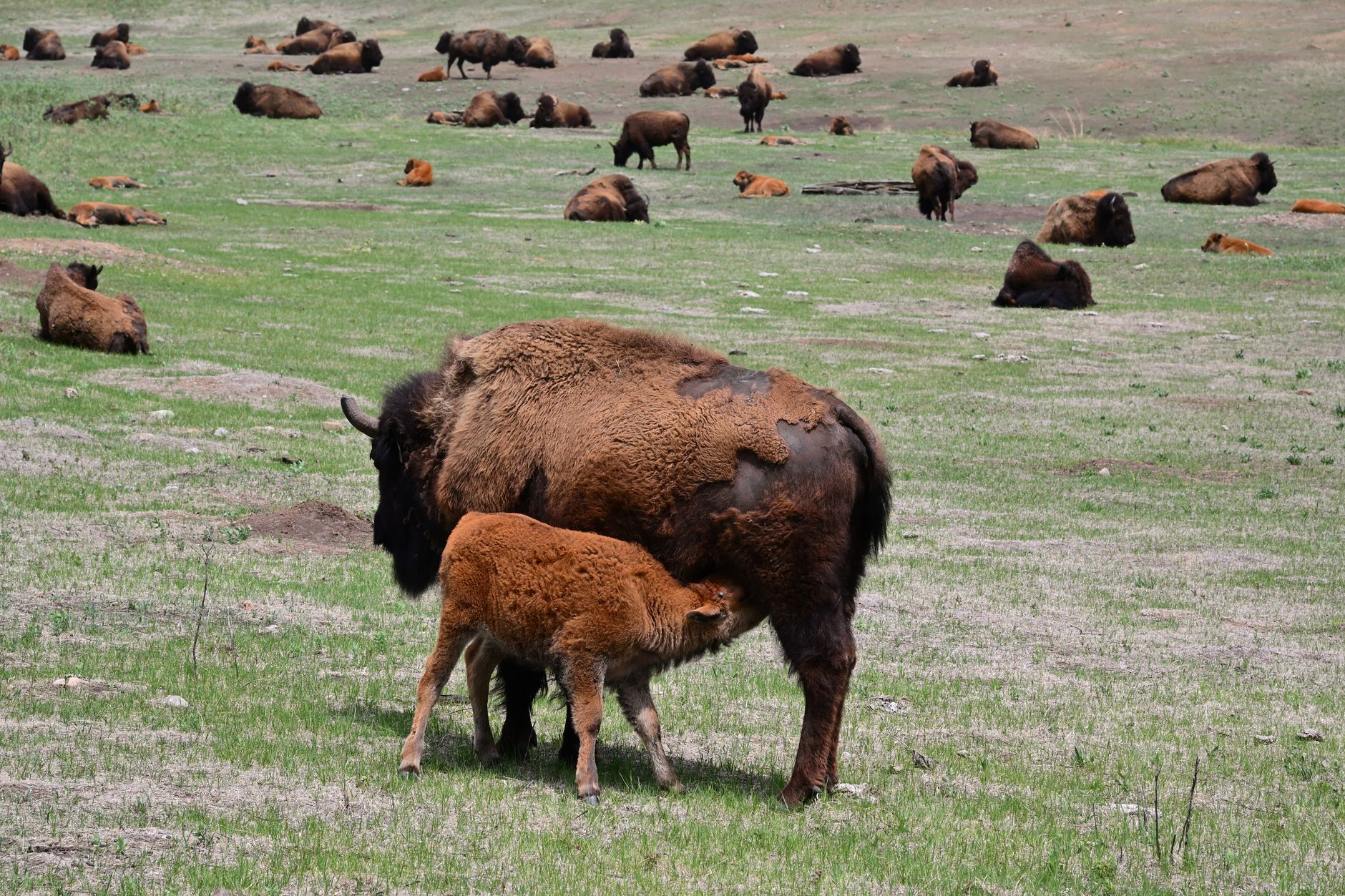
Which is Better Bison or Cow? A Comprehensive Comparison
The answer to which is better, bison or cow, depends on individual priorities: bison offers potential advantages in terms of nutritional value and environmental sustainability, while cow meat is generally more accessible and affordable. This article delves into a detailed comparison of these two prominent red meat sources.
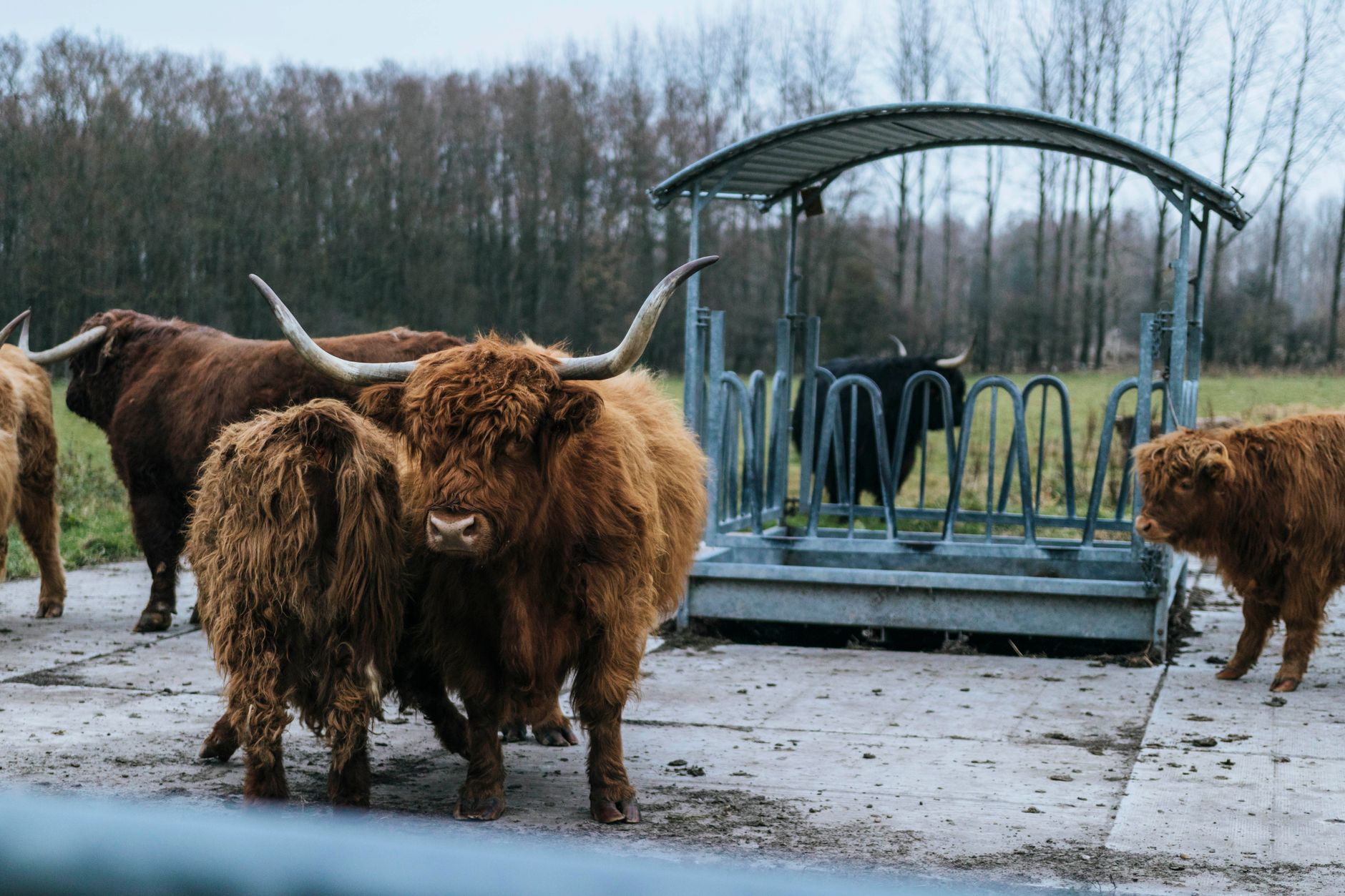
Introduction: Beyond the Burger
For many, the choice between bison and cow meat ends at the grocery store shelf. But understanding the differences between these animals and the meat they produce goes far beyond taste preferences. From nutritional content to environmental impact, the choices we make about our food sources have profound consequences. This article explores the multifaceted question of which is better, bison or cow? examining the pros and cons from multiple perspectives.

What colours are fish most attracted to?
Can you put your finger in a trout's mouth?
Is methylene blue anti bacterial?
Does aquarium salt raise pH in aquarium?
Historical Context and Domestication

The history of bison and cattle is vastly different, significantly impacting their current roles in agriculture. Cattle, Bos taurus and Bos indicus, have been domesticated for thousands of years, evolving through selective breeding for traits like milk production, meat yield, and docility. This long history of domestication has resulted in specialized breeds optimized for specific purposes. Bison, or Bison bison, on the other hand, remained largely wild until relatively recent attempts at ranching. This shorter domestication period means bison retain more of their natural behaviors and genetic diversity.
Nutritional Profiles: A Side-by-Side Comparison
The nutritional profiles of bison and beef can vary depending on factors like breed, feed, and cut. However, some general trends emerge:
- Fat Content: Bison tends to be leaner than beef, often containing less total fat and saturated fat.
- Protein: Both bison and beef are excellent sources of protein.
- Calories: Due to the lower fat content, bison typically has fewer calories per serving than beef.
- Minerals: Bison can be a good source of iron, zinc, and selenium.
- Omega-3 Fatty Acids: Some studies suggest bison may have a slightly higher proportion of Omega-3 fatty acids compared to beef.
A direct comparison of 3.5 ounces (100 grams) of ground meat (approximate values):
| Nutrient | Bison (Ground) | Beef (Ground, 85% Lean) |
|---|---|---|
| Calories | 143 | 214 |
| Total Fat | 6g | 14g |
| Saturated Fat | 2.5g | 6g |
| Cholesterol | 82mg | 73mg |
| Protein | 28g | 21g |
| Iron | 3mg | 2mg |
This table illustrates the potential advantages of bison in terms of lower fat and higher protein content. However, nutritional profiles can vary.
Environmental Impact: Grazing and Sustainability
The environmental impact of bison and cattle ranching is a complex issue with varying perspectives.
- Grazing Patterns: Bison grazing patterns are often considered more beneficial to grassland ecosystems than those of cattle. Bison tend to graze more selectively, moving across the landscape and allowing plants to recover, promoting biodiversity.
- Water Usage: Both bison and cattle require water, but differences in management practices can influence water usage efficiency.
- Greenhouse Gas Emissions: Both bison and cattle contribute to greenhouse gas emissions, primarily methane. Research is ongoing to determine if there are significant differences in emissions per pound of meat produced.
- Land Management: Sustainable ranching practices, such as rotational grazing, can mitigate the environmental impact of both bison and cattle ranching.
Ultimately, sustainable land management is key to minimizing the environmental footprint of either type of livestock.
Taste and Culinary Applications
Taste is subjective, but many describe bison as having a slightly sweeter, richer flavor than beef. It’s also often described as having a less “gamey” flavor than other types of wild game. Because bison is leaner, it can be more prone to drying out during cooking, so appropriate cooking methods are essential.
- Cooking Methods: Bison works well in many of the same applications as beef, including burgers, steaks, roasts, and ground meat dishes. Lower and slower cooking is generally recommended to prevent dryness.
- Flavor Pairings: Bison pairs well with robust flavors like garlic, onions, herbs, and spices.
Accessibility and Cost
Beef is significantly more readily available and affordable than bison in most regions. The larger scale of the beef industry and the established infrastructure contribute to its lower cost. Bison meat can often be found at specialty stores, farmers’ markets, and online retailers. However, increased consumer demand and growing bison ranching operations are gradually improving accessibility.
The Future of Bison and Cattle Ranching
The future of both bison and cattle ranching will likely involve a greater emphasis on sustainable practices and consumer demand for healthier, more environmentally friendly food options. Bison ranching, in particular, has the potential to play a significant role in grassland restoration and conservation efforts.
Frequently Asked Questions (FAQs)
Is bison meat healthier than beef?
Generally, bison is leaner than beef, containing less fat and calories. This can be beneficial for those watching their fat intake. However, both are excellent sources of protein and essential nutrients. The nutritional profile can vary based on breed, feed, and cut.
Does bison taste different than beef?
Many people find that bison has a slightly sweeter and richer flavor than beef. It’s often described as less “gamey” than other types of wild game.
Is bison harder to cook than beef?
Because bison is leaner, it can be more prone to drying out during cooking. Lower and slower cooking methods are generally recommended. Overcooking should be avoided.
Is bison more sustainable than beef?
Bison grazing patterns are often considered more beneficial to grassland ecosystems, promoting biodiversity. However, sustainable land management practices are crucial for minimizing the environmental impact of both bison and cattle ranching.
Is bison always grass-fed?
Not necessarily. While many bison ranchers prioritize grass-fed or grass-finished practices, some bison may be grain-finished. It’s essential to inquire about the specific feeding practices when purchasing bison meat.
Where can I buy bison meat?
Bison meat can often be found at specialty stores, farmers’ markets, and online retailers. Availability may vary depending on your location.
Is bison more expensive than beef?
Yes, bison is generally more expensive than beef. This is due to factors like the smaller scale of the bison industry and the higher cost of production.
Does bison contain more protein than beef?
Generally, bison has a slightly higher protein content per serving compared to beef, although the difference may not be significant.
Can I substitute bison for beef in recipes?
Yes, bison can be substituted for beef in most recipes. However, you may need to adjust the cooking time and temperature to prevent dryness.
What are the benefits of eating bison?
Some potential benefits of eating bison include: lower fat content, higher protein content, and potential environmental benefits associated with sustainable bison ranching.
Are there any risks associated with eating bison?
As with any meat, it is important to cook bison to a safe internal temperature to prevent foodborne illness. Individuals with allergies to beef may also be allergic to bison.
Which is better bison or cow for the environment?
When considering which is better bison or cow for the environment, bison often presents a more ecologically sound option due to its grazing habits and potential for grassland restoration. However, sustainable practices are crucial for both, and well-managed cattle operations can also minimize their environmental impact. The key is responsible land management that prioritizes biodiversity and soil health.