
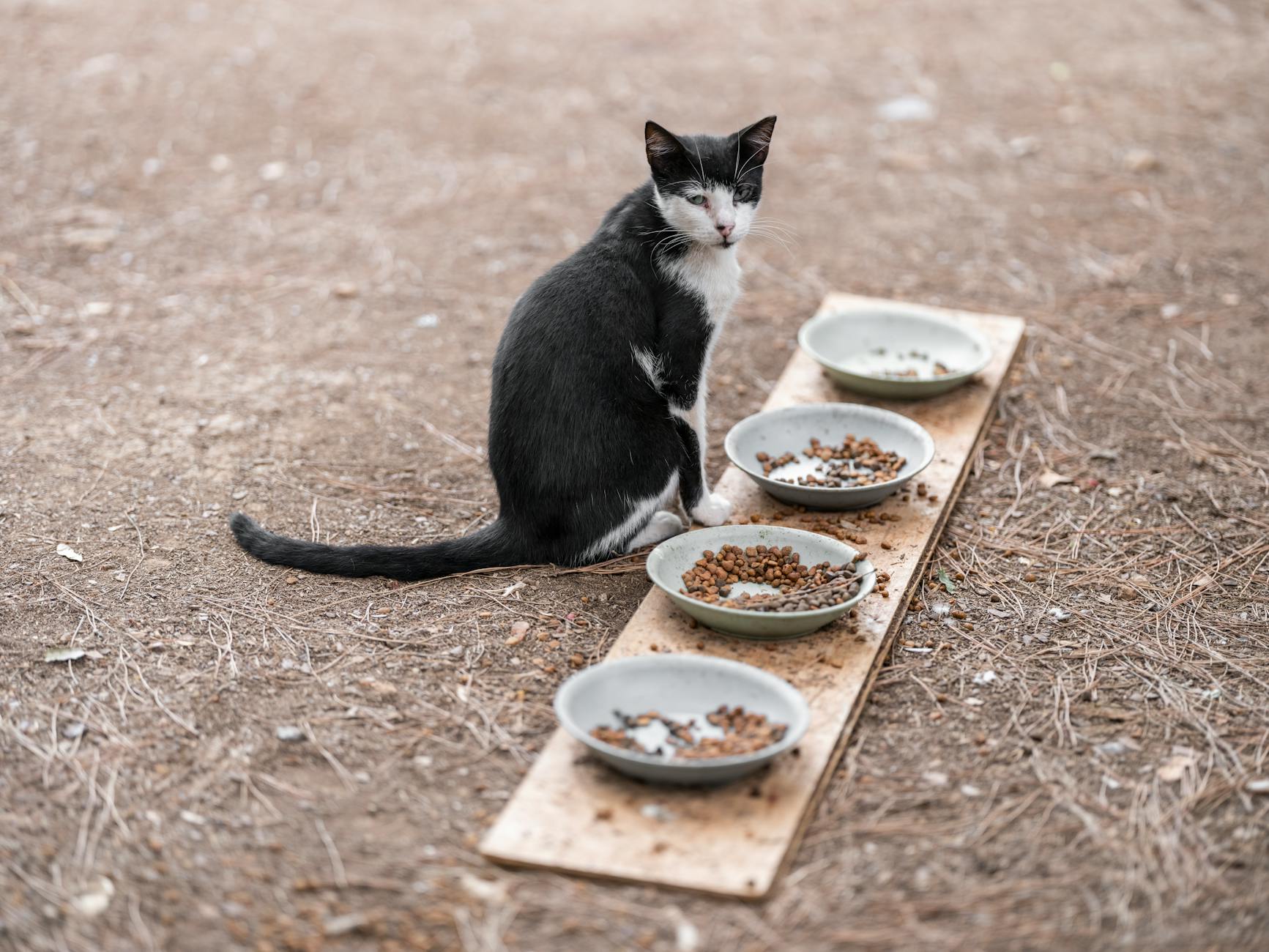
Is 2 Cups of Cat Food Too Much for Your Feline Friend?
Whether 2 cups of cat food is too much depends entirely on the individual cat’s needs; a large, active cat may need more, while a small, sedentary cat will likely gain weight on that amount. It’s crucial to consider factors like age, weight, activity level, and food type to determine the appropriate portion size.

Understanding Your Cat’s Nutritional Needs
A cat’s dietary requirements are complex, varying significantly based on several factors. Neglecting these nuances can lead to overfeeding or underfeeding, both with their own set of health risks. A holistic approach considers these factors, ensuring your cat receives the proper nutrients in the correct quantity.
Factors Influencing Cat Food Portions

Several factors influence how much your cat should eat:
- Age: Kittens require more calories than adult cats to support growth. Senior cats, however, might need fewer calories due to decreased activity levels.
- Weight: A cat’s ideal weight range dictates calorie needs. Overweight cats require restricted calorie intake, while underweight cats need increased portions.
- Activity Level: Highly active cats burn more calories and require larger food portions. Indoor cats with a sedentary lifestyle need fewer calories.
- Food Type: Different cat foods have varying calorie densities. A cup of dry food will typically contain more calories than a cup of wet food.
- Health Conditions: Certain health conditions, such as diabetes or kidney disease, can significantly impact a cat’s dietary requirements.
Dry vs. Wet Food: Caloric Differences
Understanding the calorie content of dry versus wet food is crucial. Dry food is generally more calorie-dense, meaning your cat needs less to meet their daily caloric intake. Wet food, on the other hand, has a higher water content, which can contribute to hydration and satiety.
| Food Type | Typical Calories per Cup | Benefits | Drawbacks |
|---|---|---|---|
| Dry | 300-500 | Convenient, good for dental health (some) | Can lead to dehydration if not careful |
| Wet | 150-250 | Hydrating, palatable | More expensive, shorter shelf life once opened |
Determining the Right Portion Size
The best approach to determining the correct portion size is a combination of observing your cat’s body condition, consulting with a veterinarian, and carefully reading the feeding guidelines on your cat food package.
- Assess Body Condition: You should be able to feel your cat’s ribs easily without pressing hard. If you can’t feel them, your cat may be overweight. If the ribs are too prominent, your cat may be underweight.
- Consult Your Veterinarian: Your vet can provide personalized recommendations based on your cat’s specific health needs.
- Read Food Labels: Cat food labels provide feeding guidelines based on weight. These guidelines are a starting point, but you may need to adjust the portion size based on your cat’s individual needs.
- Monitor Weight: Regularly weigh your cat to track progress. If your cat is gaining or losing weight unintentionally, adjust their food portions accordingly.
Potential Risks of Overfeeding
Overfeeding can lead to serious health problems in cats:
- Obesity: Obesity is a leading cause of health problems in cats, including diabetes, arthritis, and heart disease.
- Diabetes: Overweight cats are at a higher risk of developing diabetes.
- Joint Problems: Excess weight puts strain on joints, leading to arthritis and decreased mobility.
- Reduced Lifespan: Obesity can significantly shorten a cat’s lifespan.
Potential Risks of Underfeeding
Underfeeding can also have detrimental effects:
- Malnutrition: Not receiving enough nutrients can lead to malnutrition and a weakened immune system.
- Muscle Loss: Inadequate protein intake can result in muscle loss.
- Organ Damage: Severe underfeeding can lead to organ damage.
Transitioning to a New Food or Portion Size
When changing your cat’s food or portion size, do so gradually over 7-10 days to avoid digestive upset. Mix small amounts of the new food with the old food, gradually increasing the proportion of the new food over time.

Frequently Asked Questions
Can I free-feed my cat?
Free-feeding, or leaving food out all day, is generally not recommended, as it can lead to overeating and obesity. Scheduled feeding times help you control your cat’s calorie intake and monitor their appetite.
How often should I feed my cat?
Most adult cats benefit from being fed twice a day: once in the morning and once in the evening. Kittens may require more frequent feedings, while senior cats may prefer smaller, more frequent meals.
My cat always seems hungry, even after eating. What should I do?
This could be due to a number of reasons, including boredom, habit, or an underlying medical condition. Consult your veterinarian to rule out any health problems. You can also try providing more interactive toys to keep your cat entertained. Ensure they are getting enough protein and fiber in their diet.
Is wet food or dry food better for my cat?
Both wet and dry food have their pros and cons. Wet food is more hydrating, while dry food is often more convenient and can help with dental health. A combination of both can provide the benefits of each.
What are the signs that my cat is overweight?
Signs of being overweight include: difficulty feeling ribs, lack of a waistline, a rounded abdomen, and decreased activity levels.
What if my cat is a picky eater?
Picky eating can be frustrating. Try offering different textures and flavors of food. Warming the food slightly can also enhance its aroma and make it more appealing. Consistency is key. Don’t constantly switch foods to cater to their pickiness, as this can reinforce the behavior.
How do I calculate my cat’s daily caloric needs?
Calorie calculations are complex and best done with the help of a veterinarian. However, a general guideline is 20-30 calories per pound of ideal body weight. Remember to adjust this based on your cat’s activity level and health conditions.
Are treats included in the daily food allowance?
Yes, treats should be included in your cat’s daily calorie allowance. Choose healthy treats and limit their quantity to avoid overfeeding. Try using a portion of their daily kibble as treats during training or playtime.
My cat is losing weight. What could be the cause?
Weight loss can be caused by various factors, including underlying medical conditions, dental problems, or changes in appetite. Consult your veterinarian to determine the cause and develop a treatment plan.
Can I give my cat human food?
Some human foods are safe for cats in small quantities, while others are toxic. Avoid giving your cat chocolate, onions, garlic, grapes, raisins, and alcohol. Always research before offering human food.
How often should I change my cat’s food bowl and water?
You should clean your cat’s food bowl daily and change their water at least twice a day. This prevents bacterial growth and ensures your cat has access to fresh, clean food and water.
Is 2 cups of cat food too much for an indoor cat?
Considering that indoor cats are usually less active, is 2 cups of cat food too much? It very likely is. The amount of exercise an indoor cat gets and whether the cat is maintaining its ideal weight are major indicators. Monitoring your cat’s weight and condition is the only way to truly know. Consult your veterinarian with any questions.