
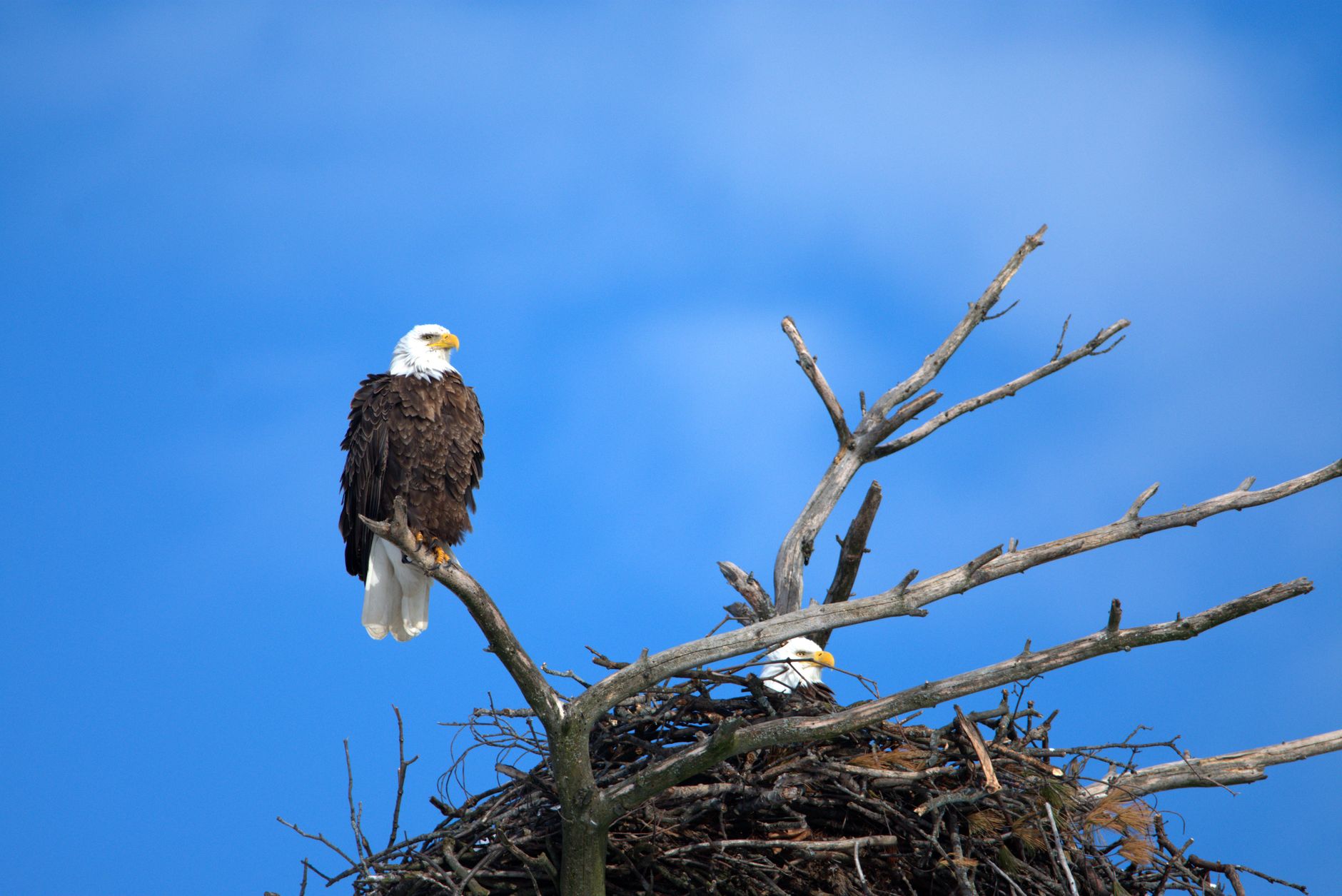
Which Eagle Sits on the Eggs?: A Deep Dive into Incubation Roles
In the fascinating world of eagles, the answer to which eagle sits on the eggs? is nuanced; while both parents share in this crucial task, the female eagle is typically the primary incubator. The male eagle plays a supporting role, relieving the female periodically and contributing to the overall success of the breeding cycle.

Eagle Nesting and Incubation: A Shared Responsibility
Eagles, majestic birds of prey, are known for their impressive nests and devoted parenting. The incubation process is a crucial phase in their reproductive cycle, demanding significant time and energy from both parents. Understanding the roles each parent plays is essential to appreciating the complex social dynamics of these magnificent creatures.
-
Nest Building: Before the eggs even arrive, both male and female eagles work together to construct (or refurbish) their massive nests, known as eyries. These structures, often located in tall trees or on cliff faces, can weigh hundreds of pounds.
-
Egg Laying: Female eagles typically lay one to three eggs, usually spaced a few days apart. The eggs are large and off-white in color.
-
Incubation Period: The incubation period for eagle eggs varies depending on the species, but generally lasts between 35 and 45 days.

What colours are fish most attracted to?
Can you put your finger in a trout's mouth?
Is methylene blue anti bacterial?
Does aquarium salt raise pH in aquarium?
The Female Eagle’s Primary Role in Incubation

The female eagle assumes the primary responsibility for incubating the eggs. This means she spends the majority of the time sitting on the nest, keeping the eggs warm and protected. Several factors contribute to this division of labor:
-
Physiological Adaptations: Female eagles are typically larger than males and have a brood patch – an area of bare skin on their abdomen that allows for more efficient heat transfer to the eggs.
-
Energy Demands: Incubation requires a constant source of energy. The female eagle’s larger size and higher fat reserves allow her to endure longer periods without food.
-
Instinctive Behavior: Through evolution, female eagles have developed strong maternal instincts that drive them to protect and nurture their offspring.
The Male Eagle’s Supporting Role
While the female takes the lead in incubation, the male eagle plays a vital supporting role. His contributions are crucial for the overall success of the breeding cycle:
-
Food Provisioning: The male eagle is primarily responsible for hunting and bringing food back to the nest for the female. This allows her to conserve energy and focus on incubation.
-
Relief Incubation: The male will occasionally take over incubation duties, giving the female a chance to stretch her wings, bathe, and feed herself. These relief periods are typically shorter than the female’s incubation shifts.
-
Nest Defense: Both male and female eagles actively defend their nest from intruders. The male’s larger size and aggressive behavior make him a formidable protector.
Incubation Shifts: A Collaborative Effort
The frequency and duration of incubation shifts can vary depending on the species, the stage of incubation, and environmental factors. However, the basic pattern remains consistent: the female spends the majority of the time on the nest, while the male provides support and relief.
| Task | Female Eagle | Male Eagle |
|---|---|---|
| :——————- | :———————————————————————————————————————————————————————— | :————————————————————————————————————————————- |
| Primary Incubation | Spends the vast majority of time sitting on the eggs, maintaining a consistent temperature. | Provides relief incubation, allowing the female to stretch, bathe, and feed. |
| Food Procurement | Relies on the male for food provisioning; may occasionally hunt when the male is absent. | Hunts and brings food back to the nest for the female. |
| Nest Defense | Actively defends the nest against intruders; may rely on the male for more aggressive defense. | Actively defends the nest against intruders, often playing a more aggressive role. |
| Egg Turning | Regularly turns the eggs to ensure even heat distribution and prevent the embryo from sticking to the shell. | May assist in turning the eggs during relief incubation shifts. |
Frequently Asked Questions
What happens if the male eagle doesn’t bring enough food?
If the male eagle fails to provide adequate food, the female may be forced to leave the nest to hunt, leaving the eggs vulnerable to temperature changes and predation. This can significantly reduce the chances of successful hatching. In extreme cases, starvation can weaken the female, making her less effective at incubation and defense.
How do eagles keep the eggs warm in cold weather?
Eagles possess several adaptations for keeping their eggs warm in cold weather. The female’s brood patch provides direct contact with the eggs, maximizing heat transfer. They also insulate the nest with soft materials like down feathers and grasses. Furthermore, they may huddle more closely over the eggs to conserve heat.
Do eagles ever abandon their eggs?
Yes, eagles can abandon their eggs under certain circumstances. Factors such as disturbance, food scarcity, or injury to a parent can lead to nest abandonment. If an eagle feels that it cannot successfully raise its offspring, it may abandon the eggs to conserve energy and resources.
What is the role of egg turning in eagle incubation?
Egg turning is crucial for preventing the embryo from sticking to the inside of the shell and for ensuring even heat distribution. Both the male and female eagles participate in this process, gently rotating the eggs several times a day. This helps promote healthy embryonic development.
How do eagles know when the eggs are about to hatch?
Eagles can sense subtle cues indicating that the eggs are about to hatch. They may hear faint peeping sounds from within the eggs or notice small cracks appearing on the shell. They may also become more attentive and spend more time closely monitoring the nest.
What happens if one of the eggs doesn’t hatch?
If one of the eggs fails to hatch, the eagles will typically continue to incubate it for a period of time, but eventually, they will abandon it. The unhatched egg poses a risk of contamination and can attract predators, so it’s in the parents’ best interest to remove it.
Do different eagle species have different incubation practices?
Yes, there can be variations in incubation practices among different eagle species. Factors such as the size of the eagle, the climate, and the availability of food can influence the duration of incubation shifts, the frequency of egg turning, and the overall parental investment.
How long do eaglets stay in the nest after hatching?
Eaglets typically remain in the nest for 10 to 14 weeks after hatching. During this time, they are completely dependent on their parents for food and care. They gradually learn to fly and hunt, preparing for their eventual independence.
What dangers do eagle eggs face?
Eagle eggs face numerous threats, including predation by other birds and mammals, extreme weather conditions, and human disturbance. Raccoons, ravens, and snakes are known predators of eagle eggs. Storms can also damage nests and expose eggs to the elements.
How can humans help protect eagle nests?
Humans can play a crucial role in protecting eagle nests by avoiding disturbance during the breeding season, protecting nesting habitat from development, and reducing the use of pesticides that can contaminate the food chain. Supporting conservation organizations that work to protect eagles is also essential.
Is which eagle sits on the eggs? dependent on if it is the first, second, or third egg laid?
The order in which eggs are laid does not significantly impact which eagle sits on the eggs. While the female typically begins incubation after laying the first egg, ensuring that all eggs are incubated roughly simultaneously, both parents continue to share incubation duties regardless of the egg’s laying order. The female maintains the primary role, while the male provides necessary support.
Do both male and female eagles have a brood patch?
While both genders may experience some feather loss in the abdominal area, the brood patch is significantly more pronounced and developed in female eagles. This is because the female is the primary incubator, necessitating a highly efficient means of heat transfer to the eggs.