

How Sharp are Bear Paws? Unveiling the Truth Behind Nature’s Tools
Bear paws are formidable weapons, and their sharpness is a key element of their power. Bear paws are indeed sharp, allowing them to effectively dig, climb, and, when necessary, hunt. Their sharpness, however, isn’t like that of a knife blade; rather, it’s a rugged sharpness designed for gripping and tearing.
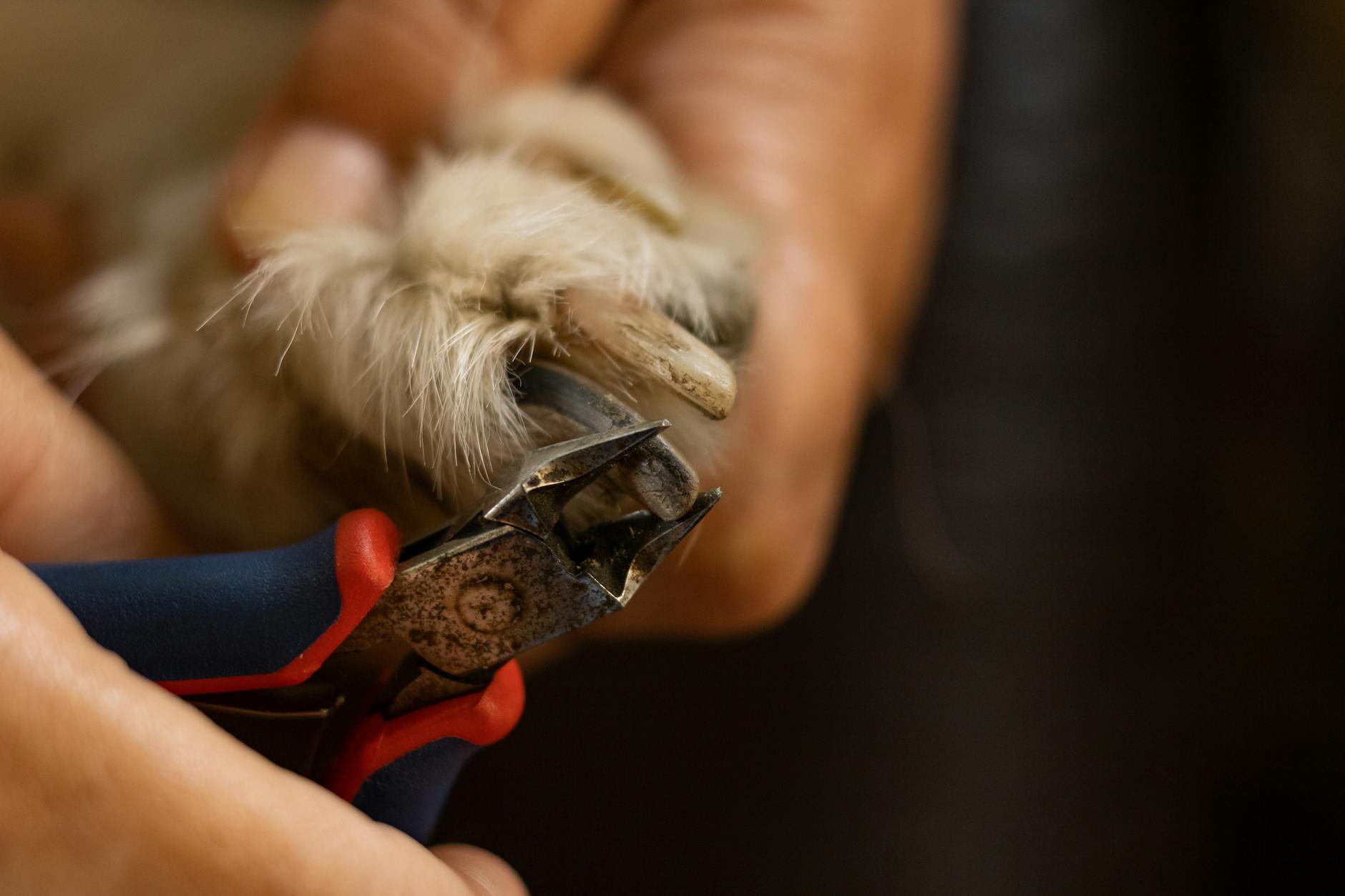
The Anatomy of a Bear Paw: A Close Look
Understanding how sharp are bear paws? requires a look at their unique anatomy. Unlike cats, bears cannot retract their claws. This constant exposure to the environment leads to a specific kind of sharpness – a more durable, rugged edge optimized for a variety of tasks.
- Claws: Made of keratin, the same material as human fingernails, but thicker and much stronger.
- Pads: Thick, leathery pads provide traction and cushioning.
- Muscles: Powerful muscles control the movement and force of the paws.
- Bones: The skeletal structure provides a strong foundation for the claws and pads.

What colours are fish most attracted to?
Can you put your finger in a trout's mouth?
Is methylene blue anti bacterial?
Does aquarium salt raise pH in aquarium?
The Different Types of Bear Claws and Their Sharpness

Not all bear claws are created equal. Different species and lifestyles lead to variations in claw shape and sharpness. Understanding these differences is crucial to answering how sharp are bear paws?.
- Grizzly Bears: Possess long, curved claws adapted for digging, often used to unearth roots and tubers or excavate dens. Their sharpness is more about strength and durability than razor-like edges.
- Black Bears: Have shorter, more curved claws well-suited for climbing trees. While still strong, their claws may be slightly sharper to aid in gripping bark.
- Polar Bears: Feature shorter, stouter claws, optimized for gripping ice and snow. They are less sharp compared to grizzlies or black bears, focusing instead on traction.
| Bear Type | Claw Shape | Primary Use | Sharpness Level |
|---|---|---|---|
| Grizzly | Long, Curved | Digging | Moderate |
| Black Bear | Short, Curved | Climbing | Moderately High |
| Polar Bear | Short, Stout | Ice & Snow Traction | Low |
The Functionality Behind the Sharpness
The sharpness of a bear’s claws isn’t solely for inflicting injury, although that is a potential outcome. In fact, how sharp are bear paws? is tied directly to their many functions in daily life.
- Digging: Sharp claws help bears dig for food, excavate dens, and create dust baths.
- Climbing: Claws provide essential grip and leverage for climbing trees, especially important for black bears.
- Foraging: Claws assist in tearing apart logs, overturning rocks, and accessing hard-to-reach food sources.
- Defense: While not the primary purpose, sharp claws serve as a formidable defensive weapon.
Myth Busting: Bear Claws vs. Cat Claws
A common misconception is that bear claws are similar to cat claws. While both are made of keratin and used for gripping, there are significant differences.
- Retractability: Cat claws are retractable, keeping them sharp and protected. Bear claws are non-retractable, leading to a more rugged sharpness.
- Sharpness Type: Cat claws are designed for piercing and gripping, with a razor-sharp point. Bear claws are designed for digging and tearing, with a more robust edge.
- Maintenance: Cats sharpen their claws regularly on trees and scratching posts. Bears sharpen their claws through daily activities, such as digging.
The Danger Posed by Bear Paws
Understanding how sharp are bear paws? is crucial for understanding the potential danger they pose. While bears are not inherently aggressive, they will defend themselves and their cubs if threatened.
- Scratching: A swipe from a bear’s paw can cause significant lacerations.
- Gripping: A bear can use its paws to grip and hold prey or a perceived threat.
- Defensive Wounds: If attacked, a bear can inflict serious wounds with its claws.
Frequently Asked Questions
Are bear claws as sharp as knives?
No, bear claws are not as sharp as knives. Knives are meticulously crafted for a precise cutting edge. Bear claws, while sharp, are designed for digging, climbing, and tearing, with a more rugged and durable sharpness that’s very different.
Can a bear climb trees with its claws?
Yes, some bears, particularly black bears, are excellent climbers. Their sharp, curved claws provide essential grip and leverage, allowing them to scale trees quickly and efficiently.
How do bears sharpen their claws?
Bears naturally sharpen their claws through their daily activities. Digging, scratching trees, and even walking on rough terrain help to maintain and sharpen their claws.
What are bear claws made of?
Bear claws are primarily made of keratin, the same protein that forms human fingernails and hair. This material is strong and durable, allowing the claws to withstand significant wear and tear.
Do all bears have the same type of claws?
No, different bear species have claws adapted to their specific environments and lifestyles. For example, grizzly bears have long claws for digging, while polar bears have shorter claws for gripping ice. How sharp are bear paws? varies directly with claw shape and purpose.
Are bear claws used primarily for hunting?
While bear claws can be used to subdue prey, they are not primarily hunting tools. Bears rely more on their powerful jaws and strong muscles to kill and consume their food.
How long are bear claws?
The length of bear claws varies depending on the species. Grizzly bear claws can reach up to 4 inches long, while black bear claws are typically shorter.
Can a bear’s claws cause serious injury?
Yes, a swipe from a bear’s paw can cause serious lacerations and puncture wounds. Their sharp claws can easily tear through skin and muscle.
Do bears shed their claws?
No, bears do not shed their claws in the same way that some animals shed their fur or antlers. The claws grow continuously throughout their lives.
How much force can a bear exert with its claws?
It’s difficult to measure the exact force a bear can exert with its claws, but it’s undoubtedly significant. Their powerful muscles and sharp claws allow them to tear apart logs, overturn rocks, and dig with considerable force.
Are bear claws retractable?
No, bear claws are not retractable, unlike cat claws. This means they are always exposed and constantly interacting with the environment.
How does claw sharpness impact a bear’s survival?
Claw sharpness is crucial for a bear’s survival. It allows them to efficiently dig for food, climb trees for safety, and defend themselves against predators. How sharp are bear paws? significantly influences their ability to thrive in their natural habitat.