

Where Should I Put My Kitten When I Leave?
Wondering where to put your kitten when you leave? The ideal place is a safe, kitten-proofed room or designated area, offering comfort, entertainment, and easy access to necessities.

Understanding Kitten Safety and Your Absence
Bringing a kitten into your home is an exciting time, but it also comes with important responsibilities. One of the primary concerns for new kitten owners is ensuring their furry friend’s safety and well-being when left alone. Determining where should I put my kitten when I leave? is crucial for preventing accidents, minimizing stress, and fostering a sense of security for your young companion. A tiny ball of energy exploring a big, new world can quickly find themselves in dangerous situations. Electrical cords, toxic plants, small objects they might swallow – the list of potential hazards is extensive.

Is distilled water good for goldfish?
What colours are fish most attracted to?
Is methylene blue anti bacterial?
Does aquarium salt raise pH in aquarium?
Creating a Kitten-Safe Haven
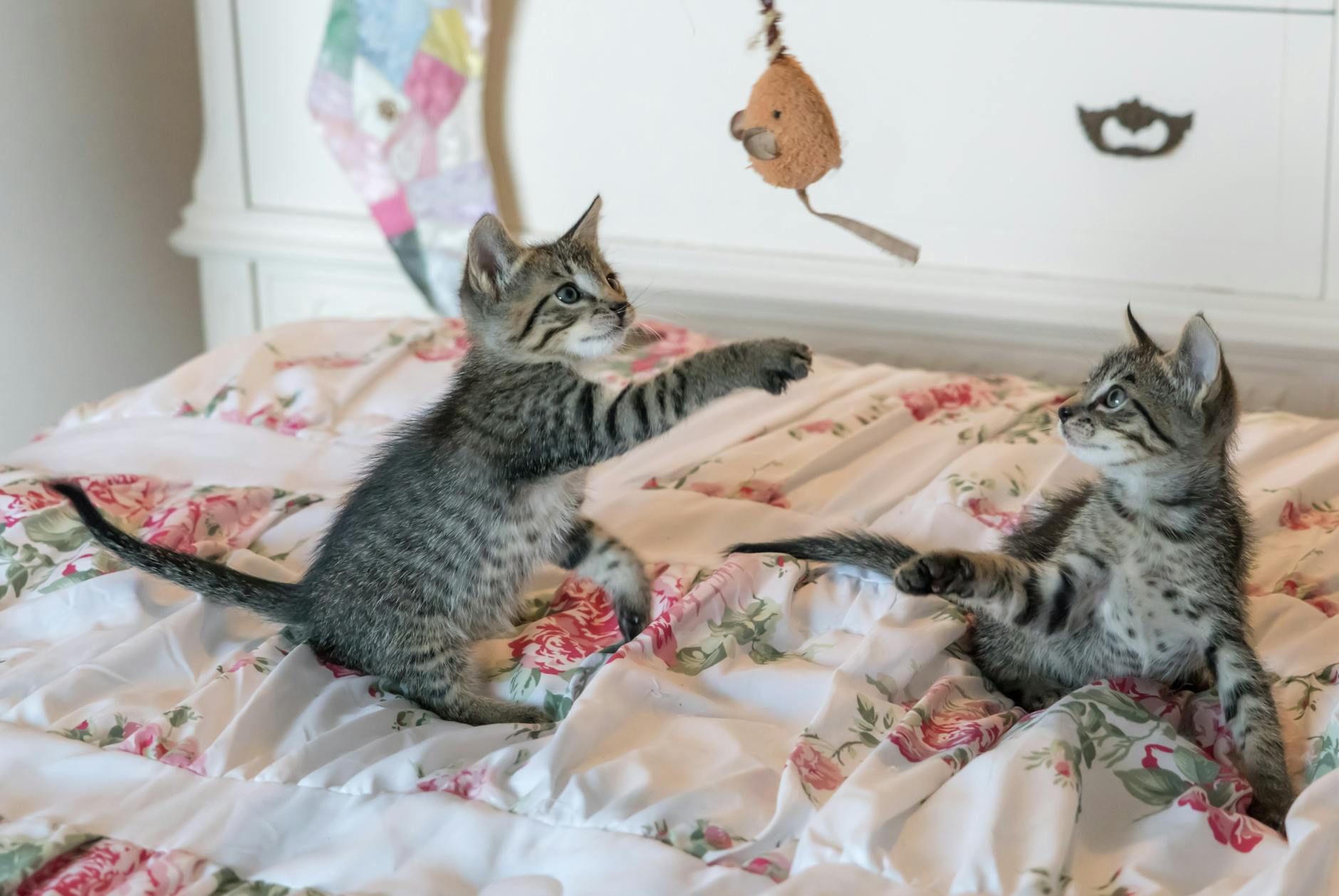
A kitten-proofed room or designated area acts as a haven, providing a controlled environment where your kitten can safely explore and play while you are away. This doesn’t mean locking them in a sterile box; instead, it involves thoughtfully preparing a space that meets their needs and minimizes risks. The ideal space is small enough that the kitten feels secure, but large enough to allow movement and play.
- Choose the Right Room: A spare bedroom, bathroom (carefully kitten-proofed), or even a large, secure dog crate can work well.
- Remove Hazards: Electrical cords should be tucked away or covered, toxic plants removed, and medications stored securely out of reach.
- Provide Essential Supplies: Ensure easy access to fresh water, food, a comfortable bed, a litter box, and a variety of toys.
Essential Items for Your Kitten’s Safe Space
The key to a successful kitten haven lies in providing everything your kitten needs to feel safe, comfortable, and entertained. Here’s a checklist of essential items:
- Food and Water Bowls: Choose shallow, wide bowls to prevent whisker fatigue.
- Litter Box: A low-sided litter box is easier for kittens to access.
- Comfortable Bed: A soft, cozy bed or blanket provides a sense of security.
- Scratching Post: Essential for healthy scratching behavior and preventing damage to furniture.
- Toys: A variety of toys, including interactive toys and soft plushies, will keep your kitten entertained.
- Cat Tree (Optional): Provides vertical space for climbing and exploring.
- Safe Hiding Place: A cardboard box or covered bed offers a safe retreat if your kitten feels anxious.
Gradual Introduction to Alone Time
Rushing the process can lead to stress and anxiety for your kitten. A gradual introduction to being left alone helps them adjust and feel secure in their safe haven. Start with short periods of separation and gradually increase the duration.
- Phase 1: Supervised Visits: Spend time in the designated area with your kitten, playing and interacting.
- Phase 2: Short Separations: Leave the room for a few minutes at a time, gradually increasing the duration.
- Phase 3: Longer Absences: Once your kitten seems comfortable, begin leaving them alone for longer periods.
Common Mistakes to Avoid
Even with careful planning, it’s easy to make mistakes that can undermine your efforts to create a safe and comfortable space for your kitten. Avoid these common pitfalls:
- Ignoring Potential Hazards: Thoroughly inspect the area for any potential dangers.
- Failing to Provide Enough Entertainment: Boredom can lead to destructive behavior.
- Punishing Your Kitten for Accidents: Accidents are inevitable, especially during the early stages.
- Leaving Your Kitten Alone for Too Long: Young kittens require frequent attention and feeding.
- Ignoring Signs of Stress: If your kitten exhibits signs of anxiety, such as excessive meowing or hiding, reassess the situation.
- Not cleaning the litter box regularly. A dirty litter box can lead to the kitten avoiding using it.
Frequently Asked Questions (FAQs)
Is it okay to leave my kitten alone overnight?
Yes, provided the kitten is over 12 weeks old, healthy, and has access to all necessities (food, water, litter box). However, very young kittens benefit from more frequent interaction and supervision. Leaving a very young kitten (under 8 weeks) alone for an extended period is not recommended.
How long can I leave my kitten alone?
A good rule of thumb is to not leave a kitten alone for more than 8 hours at a time. Younger kittens, especially under four months, may need more frequent feeding and litter box cleaning.
What if my kitten cries when I leave?
Some crying is normal, especially in the initial stages. Ensure the kitten has plenty of toys and a comfortable environment. If the crying persists or seems excessive, consider using a pheromone diffuser designed to calm cats, or consulting with a veterinarian about potential anxiety.
Should I get a companion animal for my kitten?
Introducing another cat or kitten can be beneficial, providing companionship and reducing loneliness. However, it’s important to introduce them slowly and carefully, ensuring they get along. Supervise their interactions closely at first.
What toys are safest for kittens?
Avoid toys with small parts that can be swallowed, such as ribbons or buttons. Safe options include soft plush toys, interactive wand toys, and puzzle feeders. Inspect toys regularly for damage and replace them as needed.
Can I leave my kitten in a crate while I’m gone?
A crate can be a safe and secure option if your kitten is already crate-trained and views it as a positive space. Ensure the crate is large enough for the kitten to stand, turn around, and lie down comfortably.
What are the signs of separation anxiety in kittens?
Signs of separation anxiety include excessive meowing, destructive behavior (scratching, chewing), inappropriate urination or defecation, and excessive grooming. If you observe these behaviors, consult with a veterinarian or animal behaviorist.
How do I kitten-proof my home effectively?
Thoroughly inspect your home for potential hazards. Cover electrical cords, store medications securely, remove toxic plants, and secure loose items. Think like a kitten and look for potential dangers from their perspective.
Is it better to leave my kitten in a small room or a larger space?
For young kittens, a smaller, more confined space is often preferable, as it can provide a sense of security and reduce the risk of accidents. As your kitten grows and becomes more confident, you can gradually expand their access to other areas of the home.
What about using a security camera to monitor my kitten?
A security camera can provide peace of mind, allowing you to check on your kitten remotely and ensure they are safe. It can also help you identify any potential problems, such as excessive anxiety or destructive behavior.
How often should I clean my kitten’s litter box?
The litter box should be scooped daily and completely emptied and cleaned at least once a week. This helps prevent odors and encourages your kitten to use the litter box consistently.
Where should I put my kitten when I leave if I have other pets?
The ideal placement depends on your other pets. If you have friendly, cat-compatible pets, supervised interactions followed by a shared space may work. If there are concerns about aggression or safety, keeping the kitten separated in its own kitten-proofed space while you are away is crucial.