
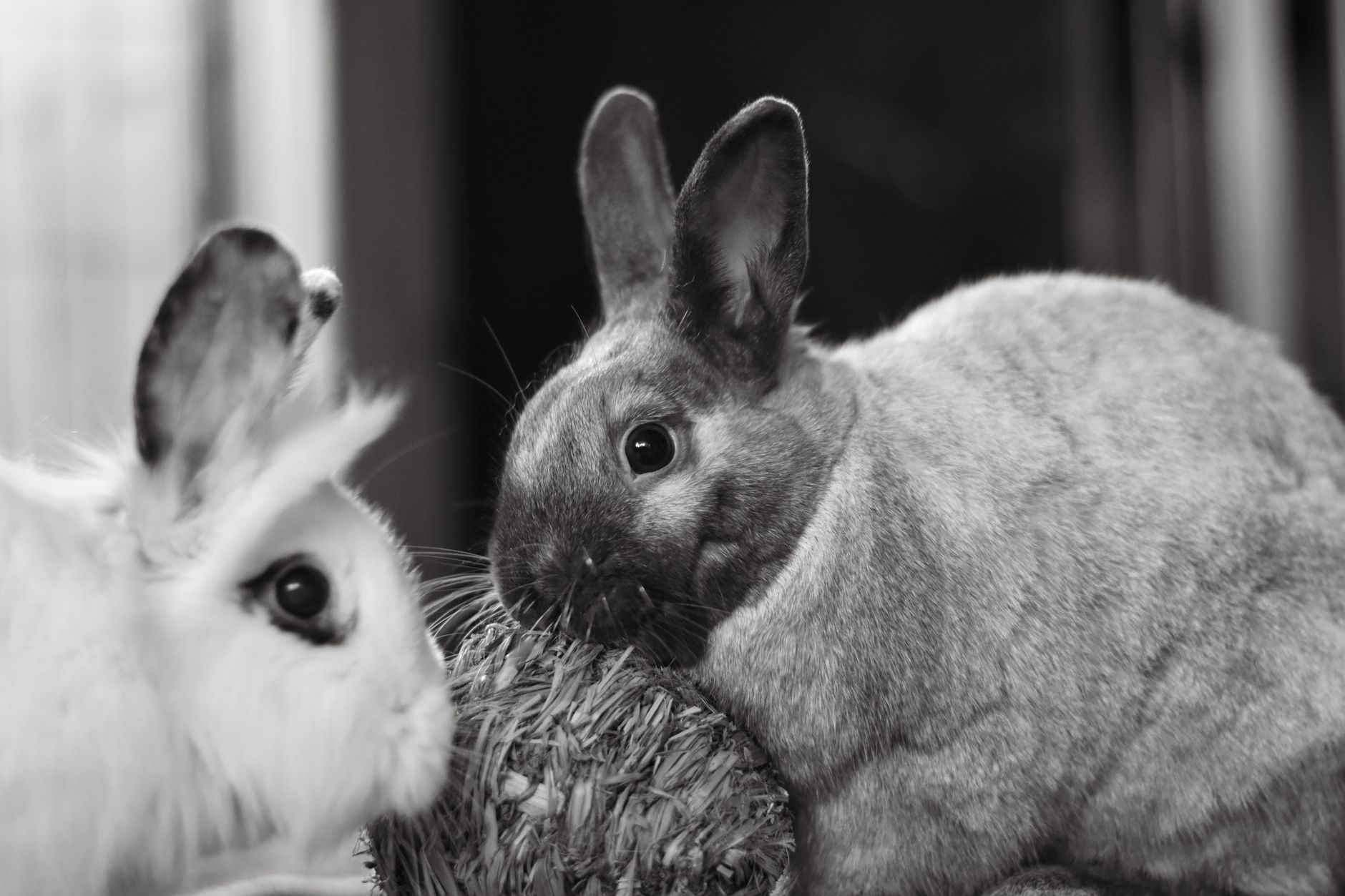
Why Does My Bunny Have a Fat Neck?
Why does my bunny have a fat neck? A “fat neck” on a bunny, often called a dewlap, is a common feature in female rabbits but can also appear in males; it’s primarily caused by increased fat deposits due to genetics, diet, or age, though in rare cases, it could indicate a medical issue.

Understanding the Bunny Dewlap: More Than Just Fat
The “fat neck,” more accurately known as a dewlap, is a flap of skin and fat that hangs under the chin and neck of a rabbit. While its presence is often associated with obesity, understanding its function and potential causes is crucial for proper bunny care. Misinterpreting a normal dewlap as a sign of illness can lead to unnecessary stress, while ignoring a rapidly growing one could delay critical treatment. This article aims to provide comprehensive insights into the bunny dewlap, covering its origins, variations, and what signs warrant veterinary attention. Why does my bunny have a fat neck? Read on to find out!
Do all amphibians have eyelids?
Why do cuttlefish have W-shaped eyes?
Do all snakes have poison in them?
What is the GREY African clawed frog?
The Purpose of a Dewlap

In female rabbits, the dewlap serves a vital purpose:
- Nest Building: Mothers use fur from their dewlap to line their nests, providing warmth and comfort for their young.
- Thermoregulation: The dewlap may help regulate body temperature, providing insulation in cooler weather and acting as a cooling mechanism in warmer temperatures.
- Display & Attractiveness: In some species, the dewlap can be a form of sexual display, with larger dewlaps being seen as more attractive to potential mates.
While male rabbits can develop dewlaps, they are typically smaller and less pronounced than those found in females. In males, the dewlap has no specific function and is simply a consequence of genetics or excess weight.
Factors Influencing Dewlap Size
Several factors contribute to the size and prominence of a bunny’s dewlap:
- Genetics: Certain breeds are predisposed to developing larger dewlaps. For example, Flemish Giants and French Lops are known for their substantial dewlaps.
- Diet: A diet high in carbohydrates and calories can lead to weight gain, resulting in a larger dewlap.
- Age: As rabbits age, their metabolism slows down, making them more prone to weight gain and dewlap development.
- Pregnancy: In female rabbits, pregnancy can cause hormonal changes that lead to increased fat storage, contributing to dewlap growth.
- Health: In rare cases, a rapidly growing dewlap could be a sign of a tumor or other medical condition.
Evaluating Your Bunny’s Dewlap
Determining whether your bunny’s dewlap is normal or a cause for concern requires careful observation:
- Size and Shape: A healthy dewlap should be relatively symmetrical and proportional to the rabbit’s overall body size.
- Texture: The dewlap should feel soft and pliable, not hard or lumpy.
- Growth Rate: Rapid dewlap growth warrants veterinary attention, as it could indicate a medical problem.
- Associated Symptoms: Look for other symptoms, such as lethargy, loss of appetite, difficulty breathing, or skin irritation.
Diet and Exercise Recommendations
Maintaining a healthy weight is crucial for preventing excessive dewlap development. Here are some dietary and exercise recommendations:
- High-Fiber Diet: Provide unlimited access to fresh hay, such as Timothy hay, which should constitute the majority of your bunny’s diet.
- Limited Pellets: Offer a limited amount of high-quality rabbit pellets, following the manufacturer’s recommendations.
- Fresh Vegetables: Supplement the diet with fresh, leafy green vegetables, such as romaine lettuce, parsley, and cilantro.
- Avoid Sugary Treats: Limit or avoid sugary treats, such as fruits and starchy vegetables, as they can contribute to weight gain.
- Regular Exercise: Provide ample opportunities for exercise and play, such as hopping, running, and exploring.
Potential Problems Associated with Large Dewlaps
While dewlaps are generally harmless, overly large ones can lead to health issues:
- Skin Infections: Large dewlaps can create moist, warm environments that are prone to bacterial or fungal infections.
- Difficulty Grooming: Bunnies with large dewlaps may have difficulty grooming themselves, leading to matting and skin problems.
- Mobility Issues: Excessively large dewlaps can restrict movement and cause discomfort.
| Problem | Description | Solution |
|---|---|---|
| Skin Infections | Moisture and bacteria accumulate, causing redness, irritation, and potential infections. | Keep the area clean and dry, use vet-approved antiseptic wipes, consider shaving excess fur. |
| Grooming Issues | Bunny can’t reach to clean, leading to mats and discomfort. | Regular brushing and professional grooming if needed. |
| Mobility Problems | Excess weight restricts movement, causing discomfort and potential joint issues. | Diet adjustments and increased exercise to reduce weight. |
Veterinary Consultation
If you are concerned about your bunny’s dewlap, consult with a veterinarian experienced in rabbit care. They can assess the dewlap, rule out any underlying medical conditions, and provide tailored advice on diet and exercise. Why does my bunny have a fat neck? Your vet can provide the definitive answer.
Frequently Asked Questions (FAQs)
What is a dewlap, exactly?
A dewlap is a flap of skin and fat that hangs under the chin and neck of a rabbit. It’s similar to the wattle found on chickens or turkeys. While more common and prominent in female rabbits, males can also develop dewlaps, though usually smaller.
Is a dewlap a sign that my bunny is overweight?
Not necessarily. While a large dewlap can be associated with obesity, it is a normal anatomical feature in many female rabbits, especially those of certain breeds. However, a rapidly growing dewlap should prompt a veterinary visit to rule out any underlying health issues.
What breeds are more prone to having large dewlaps?
Certain rabbit breeds, such as Flemish Giants, French Lops, and English Lops, are known for their larger dewlaps. This is often due to genetics and breed standards.
How can I tell if my bunny’s dewlap is too big?
A dewlap is considered too big if it interferes with the bunny’s ability to groom itself, restricts its movement, or causes skin irritation. Additionally, any sudden or rapid growth in size should be evaluated by a vet.
What is the best diet to prevent excessive dewlap growth?
The best diet is one that is high in fiber and low in carbohydrates and sugars. This means unlimited access to fresh hay (such as Timothy hay), a limited amount of high-quality rabbit pellets, and fresh, leafy green vegetables.
How much exercise does my bunny need to stay healthy?
Rabbits need at least 4 hours of exercise outside of their cage each day. This can include hopping, running, exploring, and playing with toys.
Can male rabbits have dewlaps?
Yes, male rabbits can have dewlaps, though they are typically smaller and less pronounced than those found in females. In males, the dewlap has no specific function and is usually a result of genetics or excess weight.
Are there any health risks associated with large dewlaps?
Large dewlaps can create moist, warm environments that are prone to skin infections. They can also make it difficult for the bunny to groom itself, leading to matting and skin problems.
What should I do if my bunny’s dewlap seems infected?
If you suspect your bunny’s dewlap is infected (redness, swelling, discharge), consult with a veterinarian immediately. They can diagnose the infection and prescribe appropriate treatment, such as antibiotics or antifungal medications.
Can a dewlap be surgically removed?
In rare cases, if a dewlap is causing significant health problems or discomfort, a veterinarian may recommend surgical removal. However, this is typically a last resort.
Is it normal for a pregnant rabbit to have a larger dewlap?
Yes, pregnancy can cause hormonal changes that lead to increased fat storage, contributing to dewlap growth. This is a normal physiological response to prepare the mother for lactation and caring for her young.
When should I be concerned about my bunny’s dewlap and take it to the vet?
You should consult a veterinarian if you notice any of the following:
- Rapid dewlap growth
- Hard or lumpy texture
- Redness, swelling, or discharge
- Difficulty breathing or eating
- Loss of appetite or lethargy
- Inability to groom
These signs could indicate an underlying medical condition that requires treatment. Why does my bunny have a fat neck? If you’re concerned, professional veterinary advice is always best.