
Where Do Swifts Build Their Nests? A Comprehensive Guide
Swifts primarily nest in inaccessible locations such as crevices in buildings, cliffs, and hollow trees, often reusing the same nest site year after year to ensure the survival of their young. Understanding where swifts build their nests is crucial for their conservation and appreciating their unique adaptation to urban and natural environments.

Understanding the Swift’s Unique Lifestyle
Swifts are masters of the air, spending almost their entire lives on the wing. This aerial lifestyle has profoundly influenced their nesting habits. Unlike many other birds, swifts are poorly adapted to perching and walking, making them reliant on vertical surfaces and enclosed spaces for nesting. Their dependence on specific nest sites makes them vulnerable to habitat loss and disturbance.

What colours are fish most attracted to?
Can you put your finger in a trout's mouth?
Is methylene blue anti bacterial?
Does aquarium salt raise pH in aquarium?
Swift Nesting: A Tale of Adaptation

Where do swifts build their nests? The answer is closely tied to their evolutionary history and physical adaptations. Their ability to cling to rough surfaces and squeeze into tight spaces dictates their choice of nesting locations. The material they use to construct their nests also reflects their aerial lifestyle.
Materials and Methods of Swift Nest Construction
Swifts construct their nests using a unique adhesive substance: their saliva. This sticky secretion allows them to bind together feathers, plant debris, and other lightweight materials collected while in flight.
- Saliva: The primary binding agent, providing the necessary adhesion for nest construction.
- Feathers: Collected from the air, providing insulation and structure.
- Plant Down: Adds softness and warmth to the nest cup.
- Small Twigs: Occasionally used for added stability.
The process of nest construction is a slow and deliberate one, taking several weeks to complete. The swifts meticulously add small amounts of material at a time, gradually building up the nest cup.
Traditional Nesting Sites vs. Urban Adaptations
Historically, swifts nested in natural environments, such as cliffs, caves, and hollow trees. However, as urbanization has spread, swifts have adapted to using man-made structures as nest sites.
| Nesting Site | Description | Advantages | Disadvantages |
|---|---|---|---|
| :————- | :—————————————————————– | :—————————————————————————— | :—————————————————————————- |
| Natural Cliffs | Rock faces with crevices and sheltered ledges | Protection from the elements, natural insulation. | Limited availability, competition with other species. |
| Hollow Trees | Cavities formed by decay or woodpeckers | Shelter from predators, relatively stable temperature. | Susceptible to tree felling, decay, and competition from other cavity nesters. |
| Buildings | Crevices under eaves, behind drainpipes, in attics, and other voids | Readily available in urban areas, protection from some predators. | Subject to disturbance during building maintenance, removal of nesting sites. |
Threats to Swift Nesting Sites
Swift populations are declining in many parts of the world due to the loss of suitable nesting sites. Modern building practices, which prioritize airtight construction, often eliminate the crevices and voids that swifts rely on. Additionally, the removal of old buildings and trees can further reduce available nest sites. Human disturbance during the nesting season can also negatively impact swift breeding success.
Conservation Efforts: Protecting Swift Habitats
Protecting and creating suitable nesting sites is crucial for swift conservation. This can involve:
- Installing swift bricks in new buildings.
- Preserving old buildings with existing nest sites.
- Leaving hollow trees standing where safe.
- Minimizing disturbance during the breeding season.
By understanding the nesting requirements of swifts and taking proactive conservation measures, we can help ensure the survival of these remarkable birds.
Supporting Swift Populations in Your Community
Even small actions can make a big difference in supporting swift populations. Consider allowing swifts to nest on your property or advocating for swift-friendly building practices in your community. Educating others about the importance of swift conservation can also help raise awareness and inspire action.
Frequently Asked Questions (FAQs)
What do swift nests look like?
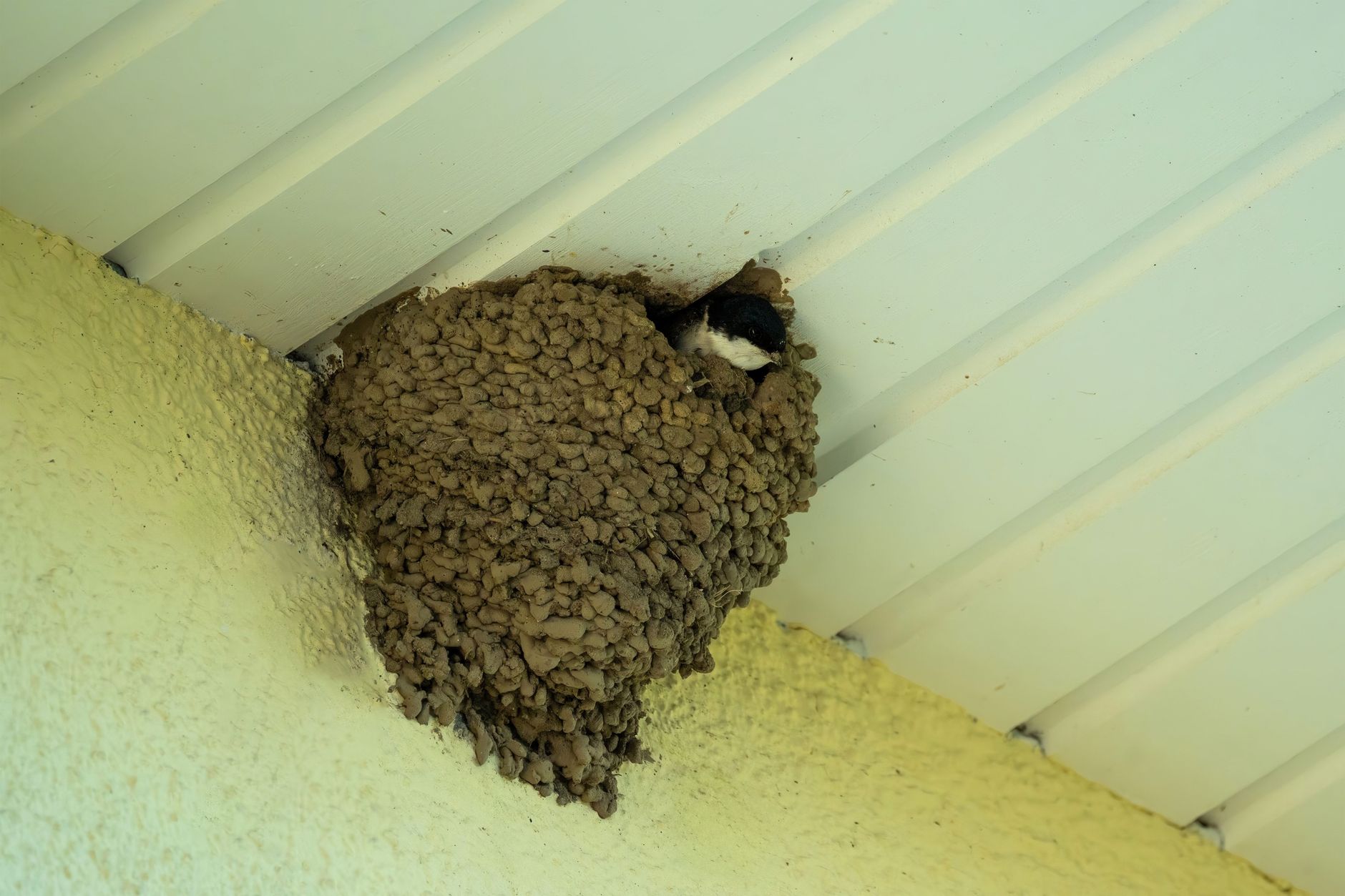
Swift nests are relatively small and cup-shaped, typically made of feathers, plant down, and other lightweight materials held together by the swift’s saliva. The nest is often plastered to a vertical surface inside a crevice or cavity. They look more like a small shelf stuck to the wall than a proper cup like a Robin’s nest.
How high off the ground do swifts nest?
Swifts typically nest at heights of at least a few meters above the ground, as their aerial lifestyle requires them to be able to take flight easily from their nest sites. They can nest as high as crevices are available, even high up in skyscrapers.
When is the swift nesting season?
The swift nesting season typically runs from May to August in the Northern Hemisphere, with eggs usually laid in late May or early June. This aligns with the peak availability of insects, their primary food source.
Do swifts reuse their nests?
Yes, swifts are highly likely to reuse the same nest site year after year, often returning to the same location for many consecutive breeding seasons. This makes nest site protection even more crucial.
What is a swift brick, and how does it help swifts?
A swift brick is an artificial nesting cavity designed to be incorporated into the walls of buildings. It provides swifts with a safe and secure nesting site in urban environments where natural crevices are scarce.
Are swifts protected by law?
In many countries, swifts are protected by law, making it illegal to intentionally destroy or damage their nests. Understanding local regulations is essential before undertaking any building work that could affect swift nesting sites.
How can I tell if swifts are nesting in my building?
You can often identify swift nesting sites by observing swifts entering and exiting small crevices or holes in your building. You may also hear their characteristic screaming calls near the nesting site, especially during the breeding season.
What should I do if I find a swift nest?
If you find a swift nest, it is important to avoid disturbing it, especially during the breeding season. Contact a local wildlife organization or conservation group for advice on protecting the nest site.
What do swifts eat while nesting?
Swifts feed exclusively on insects, which they catch in flight. During the nesting season, they bring food back to their young in the form of a bolus of insects held together by saliva.
How long do baby swifts stay in the nest?
Baby swifts typically remain in the nest for around six to eight weeks before fledging. During this time, they are entirely dependent on their parents for food and care.
Why are swift populations declining?
Swift populations are declining due to a combination of factors, including habitat loss, reduced insect populations, and climate change. The loss of nesting sites is a significant contributing factor.
How can I help swifts in my garden?
While swifts don’t typically use gardens for nesting, you can help them by creating a wildlife-friendly garden that supports insect populations. Avoid using pesticides and provide plenty of flowering plants to attract insects, their primary food source. This helps ensure ample food supply for the adult swifts and their offspring.