

What Won’t a Raccoon Eat? Unveiling the Limits of a Prolific Omnivore
Raccoons are notorious for their adaptable diets, seemingly consuming almost anything; however, even these opportunistic feeders have their limits. While their palate is broad, raccoons generally avoid toxic or highly unpalatable foods, favoring accessible, calorie-rich sources.

Understanding the Raccoon Diet: An Omnivorous Overview
Raccoons are omnivores, meaning they eat both plants and animals. This dietary flexibility is a key reason for their success in a wide range of environments, from forests to urban settings. Their natural diet consists of:
- Fruits and Berries: Wild berries, apples, and other readily available fruits form a significant part of their diet, especially during harvest seasons.
- Insects and Invertebrates: Grubs, beetles, crickets, and worms are eagerly consumed, providing essential protein.
- Nuts and Seeds: Acorns, pecans, and other nuts offer a calorie-dense food source, particularly important for building up fat reserves for winter.
- Small Animals: Raccoons prey on small mammals, birds, eggs, fish, and amphibians when available, augmenting their protein intake.
- Carrion: Raccoons are opportunistic scavengers and will eat dead animals, even if partially decayed.
In urban and suburban environments, raccoons adapt their diets to what is readily available, which often includes garbage, pet food, and discarded human food. This adaptability contributes to their reputation as pests.
What is the GREY African clawed frog?
Is distilled water good for goldfish?
What colours are fish most attracted to?
Can you put your finger in a trout's mouth?
Factors Influencing Raccoon Food Choices
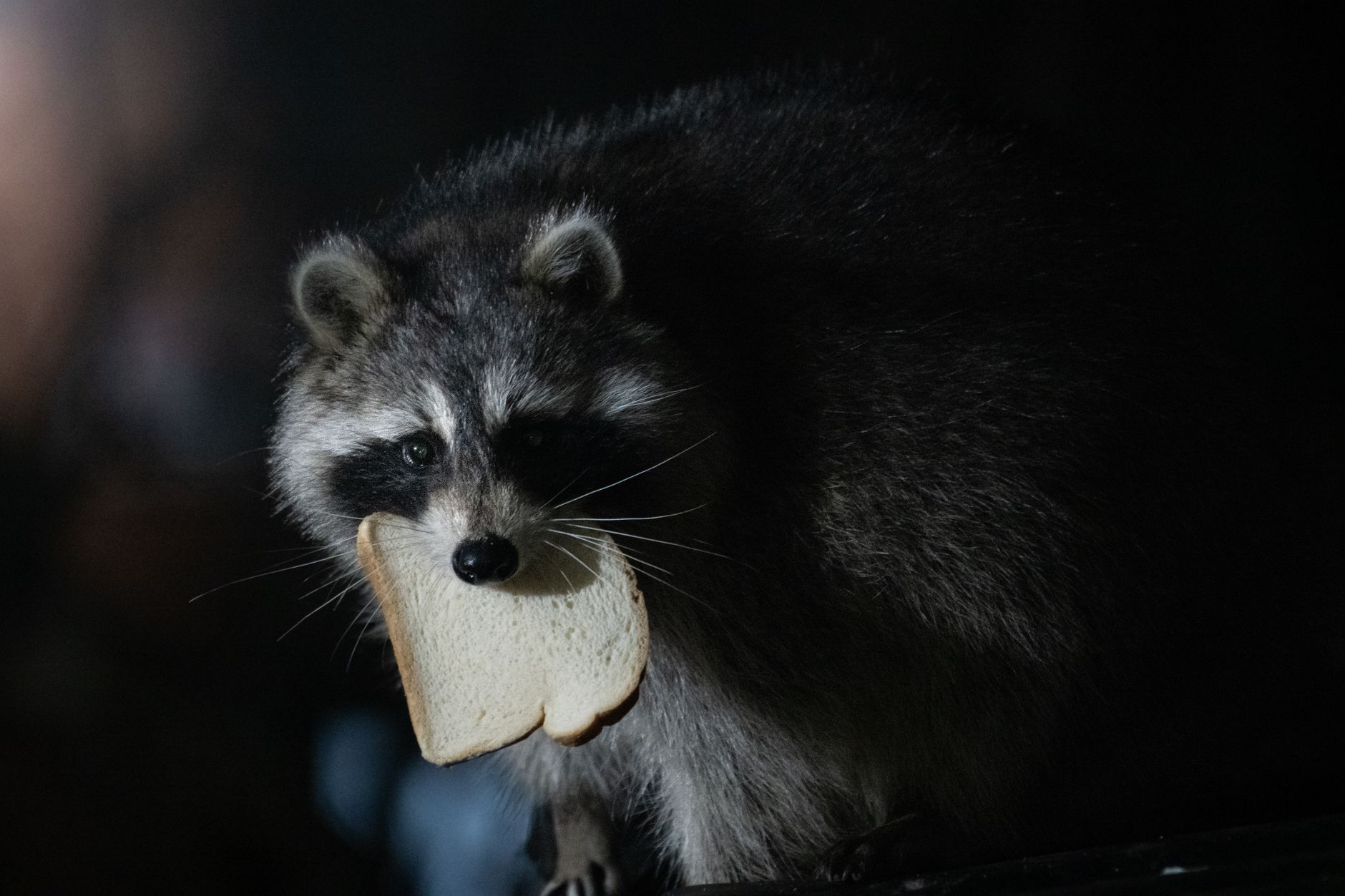
Several factors influence what won’t a raccoon eat?. These include:
- Taste and Palatability: Raccoons have a preference for sweet and savory flavors and tend to avoid excessively bitter or sour foods.
- Texture: Mushy, slimy, or otherwise unpleasant textures can deter a raccoon.
- Toxicity: While raccoons aren’t always discriminating, they generally avoid foods known to be toxic, although the degree of avoidance varies.
- Availability: Easy access is a primary driver. If a food source is difficult to obtain or requires significant effort, a raccoon may opt for an easier meal.
- Nutritional Value: Raccoons instinctively seek out foods that provide the most energy with the least effort, leading them to prioritize calorie-rich options.
Specific Foods Raccoons Typically Avoid
While exceptions always exist due to individual preferences and desperation, some food items are less likely to attract raccoons:
- Hot Peppers: The capsaicin in chili peppers is a natural deterrent. While some individuals may tolerate a small amount, most raccoons avoid them.
- Onions and Garlic (in large quantities): The strong smell and flavor of onions and garlic can be off-putting.
- Citrus Fruits (in large quantities): The acidity of citrus fruits is generally not preferred.
- Highly Processed Foods with Artificial Sweeteners: While raccoons will eat sugary foods, they often avoid items heavily laden with artificial sweeteners.
- Certain Herbs: Strong-smelling herbs like mint, rosemary, and lavender might deter some raccoons, though this is not a guaranteed repellent.
- Poisonous Plants: Raccoons generally avoid plants known to be toxic, although they may not be able to identify all such plants.
Using Food Aversion to Deter Raccoons
Understanding what won’t a raccoon eat? can be helpful in deterring them from your property. Some strategies include:
- Securing Garbage Cans: Use tight-fitting lids and consider adding bungee cords or weights to prevent raccoons from accessing the contents.
- Removing Pet Food: Do not leave pet food outside, especially overnight.
- Harvesting Fruits and Vegetables Promptly: Remove ripe or fallen fruits and vegetables from your garden to eliminate a food source.
- Using Natural Repellents: Consider using cayenne pepper or garlic powder around areas where raccoons are unwanted (use caution with pets and children).
- Eliminating Standing Water: Raccoons are attracted to water sources, so eliminate any standing water in your yard.
Common Mistakes in Raccoon Deterrence
Many well-intentioned efforts to deter raccoons fail due to common mistakes:
- Inconsistent Application of Repellents: Repellents need to be reapplied regularly, especially after rain.
- Ignoring Alternative Food Sources: Raccoons will simply find other food sources if one is removed. A comprehensive approach is necessary.
- Using Ineffective Repellents: Some commercially available repellents are ineffective or only work for a short period.
- Focusing Only on the Symptom, Not the Cause: Simply scaring away raccoons without addressing the underlying food sources will only provide a temporary solution.
Frequently Asked Questions (FAQs)
Are raccoons immune to hot peppers?
While some raccoons may tolerate a small amount of capsaicin, the active ingredient in hot peppers, they are generally not immune and will avoid them if given a choice. The intensity of the pepper matters, with hotter varieties being more effective as deterrents.
Will raccoons eat dog food?
Yes, raccoons will readily eat dog food, especially if it is easily accessible. It provides a convenient source of protein and calories.
What about cat food?
Like dog food, raccoons are attracted to cat food. Keeping pet food indoors or in secure containers is essential for preventing raccoon visits.
Will raccoons eat human food?
Absolutely. Raccoons are opportunistic and will consume a wide variety of human food, especially discarded scraps and sugary items.
Do raccoons have any natural predators?
Yes, raccoons have natural predators, including coyotes, foxes, bobcats, and owls, particularly targeting young raccoons. However, these predators don’t typically eliminate raccoon populations entirely, especially in urban areas.
Will raccoons eat acorns?
Yes, acorns are a favorite food for raccoons, providing a valuable source of carbohydrates and fats, especially in the fall and winter.
Are raccoons dangerous?
Raccoons can be dangerous, particularly if they are cornered or feel threatened. They may bite or scratch, and they can carry diseases like rabies. It is best to avoid direct contact.
Do raccoons eat fruit from trees?
Yes, raccoons are excellent climbers and will readily eat fruit directly from trees, particularly if the fruit is ripe and easily accessible.
Will raccoons eat compost?
Yes, raccoons are attracted to compost piles, especially if they contain food scraps. Secure your compost pile to prevent access.
What diseases can raccoons transmit?
Raccoons can transmit various diseases, including rabies, raccoon roundworm, and leptospirosis. These diseases can be harmful to humans and pets.
How can I tell if raccoons are in my attic?
Signs of raccoons in your attic include noises (especially at night), droppings, and damage to insulation or wiring.
Will a raccoon eat a poisonous berry?
While they generally avoid things known to be poisonous, raccoons aren’t experts in toxicology. If easily accessible, and not particularly unpalatable, they might sample a poisonous berry, especially if desperate.