

Where Do Sharks Go During Storms? Unveiling the Mysteries of Shark Behavior
Sharks, surprisingly, exhibit a variety of behavioral responses to storms, with many seeking deeper waters or sheltered coastal areas to avoid the worst of the turbulent conditions. This strategic movement allows them to minimize energy expenditure and avoid potentially dangerous nearshore environments.
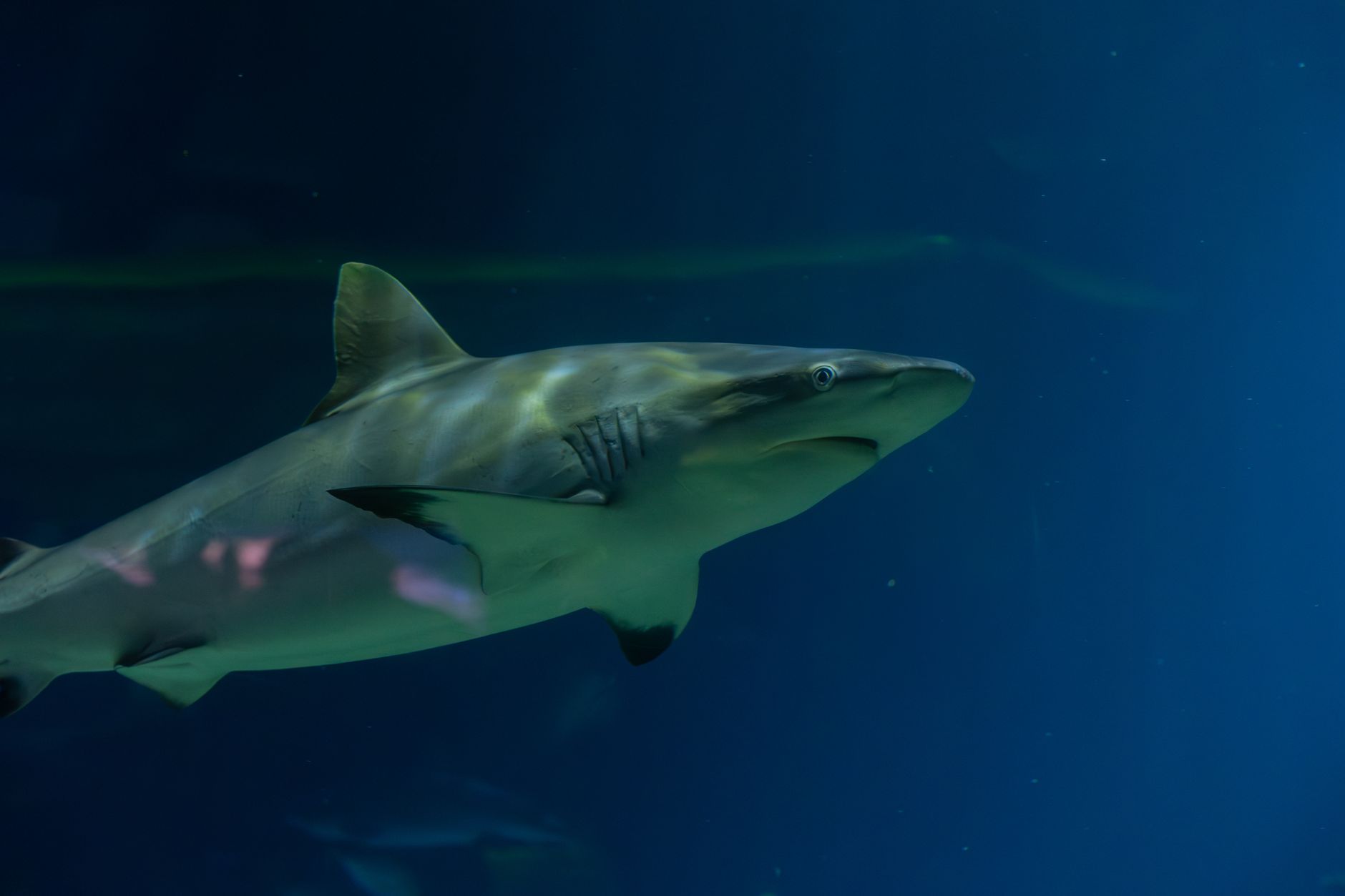
Introduction: Sharks and Severe Weather
The ocean’s apex predators, sharks, are often perceived as fearless hunters, but like all marine life, they are profoundly affected by severe weather events. Understanding where do sharks go during storms? is crucial for both conservation efforts and for mitigating potential human-shark interactions after a storm. These magnificent creatures have evolved various strategies to cope with the harsh realities of oceanic weather. This article delves into the science behind shark behavior during storms, exploring their instinctive responses and the factors that influence their movements.

What colours are fish most attracted to?
Can you put your finger in a trout's mouth?
Is methylene blue anti bacterial?
Does aquarium salt raise pH in aquarium?
Pre-Storm Sensory Cues: The Shark’s Sixth Sense

Sharks possess remarkable sensory capabilities, allowing them to detect changes in their environment that often precede a storm. These abilities include:
- Electroreception: Specialized organs called ampullae of Lorenzini detect subtle electrical fields, potentially allowing sharks to sense changes in atmospheric electricity associated with approaching storms.
- Barometric Pressure Sensitivity: While the exact mechanisms are still being researched, some evidence suggests sharks can perceive changes in barometric pressure, a key indicator of approaching weather systems.
- Detection of Infrasound: Sharks may be able to detect low-frequency sound waves generated by distant storms, giving them advance warning of impending weather.
This early warning system allows them to initiate their storm avoidance strategies before the worst of the weather arrives.
Deep-Water Retreat: Seeking Sanctuary Beneath the Waves
Many shark species instinctively move to deeper waters as a storm approaches. This behavior provides several advantages:
- Reduced Wave Action: Deeper waters experience significantly less wave action and turbulence, providing a more stable and less energy-intensive environment.
- Stable Salinity and Temperature: Storms can drastically alter salinity and temperature in shallow coastal areas. Deeper waters tend to maintain more consistent conditions.
- Protection from Debris: Nearshore areas are often filled with debris during storms, posing a hazard to sharks. Deeper waters offer a refuge from this debris.
However, this strategy is not universal. Some species, particularly smaller coastal sharks, may adopt different tactics.
Coastal Sheltering: Finding Refuge in Protected Areas
While many sharks head for deeper waters, others seek shelter in protected coastal areas such as:
- Bays and Estuaries: These areas offer protection from strong currents and wave action.
- Mangrove Forests and Seagrass Beds: These dense habitats provide physical shelter and reduce turbulence.
- River Mouths: While freshwater influx can be a risk, the calmer waters near river mouths can offer temporary refuge.
However, these areas can become highly turbid during storms, impacting visibility and potentially disrupting feeding behavior.
Species-Specific Responses: Not All Sharks Behave the Same
It’s important to note that the response of sharks to storms varies depending on the species, size, and location. For example:
- Great White Sharks: Typically inhabit deeper waters and are likely to move even further offshore during storms.
- Bull Sharks: Known for their tolerance of brackish water, bull sharks may seek refuge in estuaries and river mouths.
- Reef Sharks: Smaller reef sharks often take shelter within the coral reefs themselves.
Understanding these species-specific responses is crucial for developing effective conservation strategies.
Post-Storm Behavior: The Return to Normalcy
After a storm passes, sharks typically return to their normal habitats. The time it takes for this recovery can vary depending on the severity of the storm and the degree of habitat disruption. However, it’s important to be aware that the post-storm environment can be unpredictable. Increased turbidity, changes in prey distribution, and the presence of debris can all affect shark behavior. This can also create opportunities for scavenging on dead or injured animals.
| Factor | Impact on Post-Storm Shark Behavior |
|---|---|
| Water Clarity | Affects hunting success; may lead to increased scavenging |
| Prey Distribution | May alter shark feeding patterns; can lead to increased competition |
| Debris Levels | Poses physical hazards; can attract sharks to scavenge |
| Salinity Changes | Can temporarily displace certain species; particularly sensitive species. |
Impacts of Climate Change: Exacerbating the Risks
Climate change is increasing the frequency and intensity of storms, posing a significant threat to shark populations. The increased frequency and intensity of storms adds stress and disrupts habitats. Rising sea temperatures are also impacting prey distribution, further complicating the lives of these essential marine predators. Studying where do sharks go during storms? provides crucial information as we work to understand and mitigate the impacts of climate change on ocean ecosystems.
The Importance of Tracking and Research
Understanding where do sharks go during storms? requires ongoing research and monitoring. Advances in technology, such as satellite tagging and acoustic telemetry, are providing valuable insights into shark movements and behavior. By tracking sharks before, during, and after storms, scientists can gain a better understanding of their responses to severe weather events and develop more effective conservation strategies.
Frequently Asked Questions (FAQs)
Do all sharks react the same way to a storm?
No, shark reactions to storms vary based on species, size, age, and location. Larger, open-ocean species may move to deeper waters, while smaller, coastal species might seek refuge in estuaries or mangrove forests. Individual sharks within the same species can also exhibit different behaviors.
Can sharks predict storms?
Sharks possess sensory capabilities that may allow them to detect approaching storms. They can sense changes in barometric pressure, electrical fields, and low-frequency sounds. This gives them a potential advantage to seek shelter before the storm arrives.
Are sharks more dangerous after a storm?
While not necessarily more dangerous, post-storm conditions can alter shark behavior. Increased turbidity and changes in prey distribution can lead to increased scavenging, potentially bringing sharks closer to shore. Caution is always advised.
Do sharks get injured during storms?
Yes, sharks can be injured during storms, particularly in shallow coastal areas where they may be exposed to debris and strong wave action. The extent of injuries depends on the severity of the storm and the individual shark’s location.
Do sharks get lost during storms?
It’s possible for sharks to become temporarily disoriented during storms, particularly in turbid waters. However, they typically have a strong sense of direction and navigation, allowing them to return to their normal habitats once the storm passes.
What role does water temperature play in shark behavior during storms?
Water temperature can influence shark movements. Storms can cause significant changes in water temperature, particularly in shallow coastal areas. Sharks may move to areas with more stable and suitable temperatures.
How do scientists track shark movements during storms?
Scientists use various tracking technologies, including satellite tags and acoustic telemetry, to monitor shark movements. These technologies provide valuable data on shark behavior before, during, and after storms.
Do sharks ever strand on beaches during storms?
While uncommon, sharks can strand on beaches during storms, particularly in areas with strong currents and high wave action. This is more likely to happen to smaller or weaker individuals.
Are certain shark species more vulnerable to storms than others?
Yes, smaller coastal species and those that rely on specific habitats, such as coral reefs, may be more vulnerable to storms. These species may have limited options for shelter and are more susceptible to habitat damage.
What happens to baby sharks during storms?
The fate of baby sharks during storms depends on their location and the severity of the weather. They may seek refuge in protected nurseries or move to deeper waters. Survival rates can be affected by the intensity of the storm.
How can we help sharks during and after storms?
By supporting responsible coastal management, reducing pollution, and mitigating climate change, we can help protect shark habitats and improve their resilience to storms. Reporting injured or stranded sharks to local authorities is also important.
How often do sharks face storms in their lifetime?
The frequency with which sharks encounter storms depends on their geographic location and lifespan. Sharks in areas prone to hurricanes or cyclones may experience several storms each year. Climate change is predicted to increase these frequencies.