

Baking Soda and pH: Does Baking Soda Lower pH in Water?
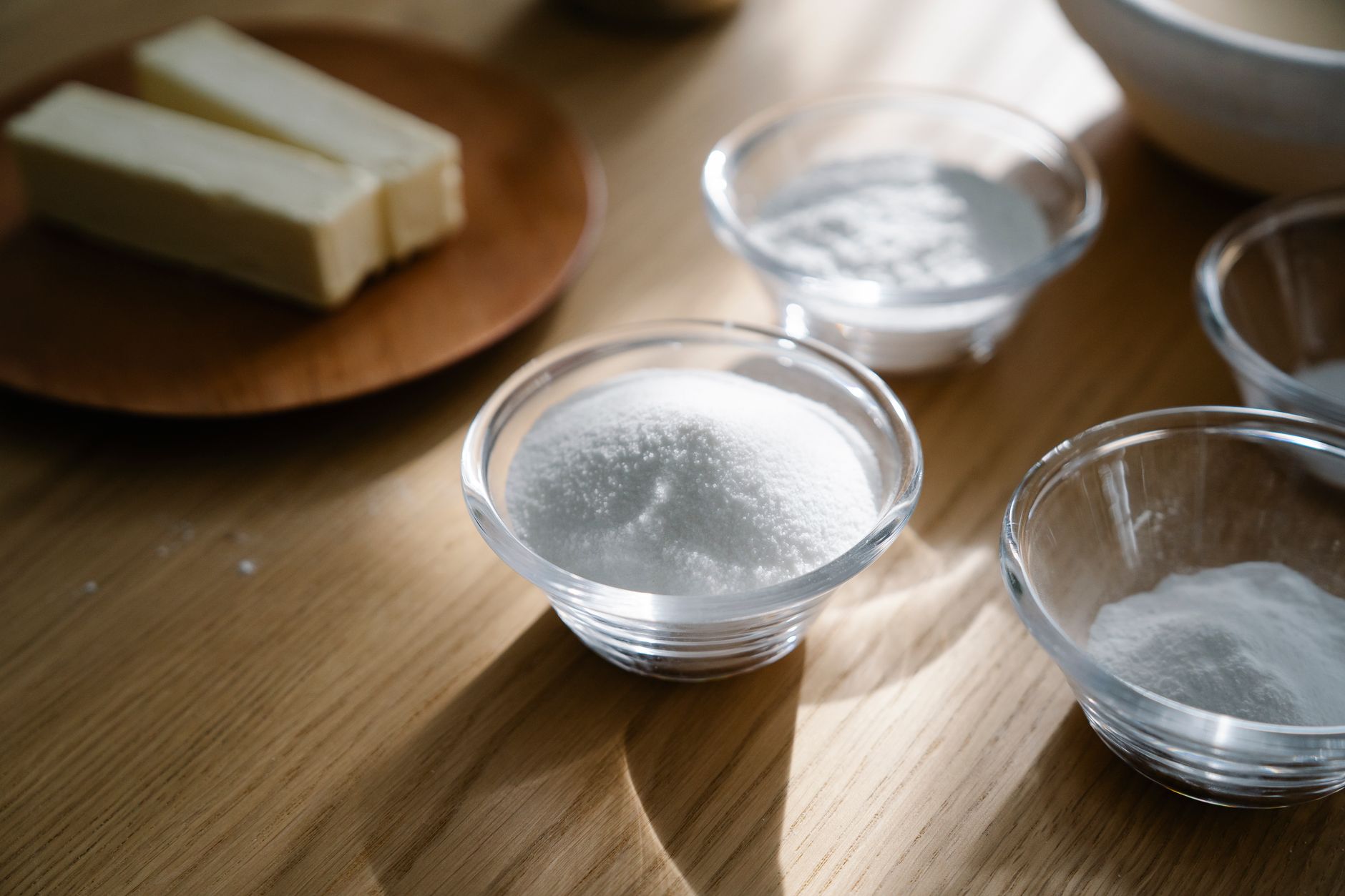
Baking soda, also known as sodium bicarbonate, does not lower the pH of water. Instead, it typically causes a slight increase in pH, moving the water towards a more alkaline state.
Understanding pH and Its Significance
pH, or potential of hydrogen, is a scale used to specify the acidity or basicity of an aqueous solution. The scale ranges from 0 to 14, with 7 being neutral. Values below 7 indicate acidity, while values above 7 indicate alkalinity (also known as basicity). Maintaining the correct pH is crucial in many applications, from swimming pools and aquariums to human health and industrial processes. Deviations can lead to undesirable outcomes like corrosion, biological imbalances, or health issues.
Can fish hear water?
How do I add oxygen to my goldfish water?
Do carbon filters remove water hardness?
What is the GREY African clawed frog?
The Chemical Nature of Baking Soda
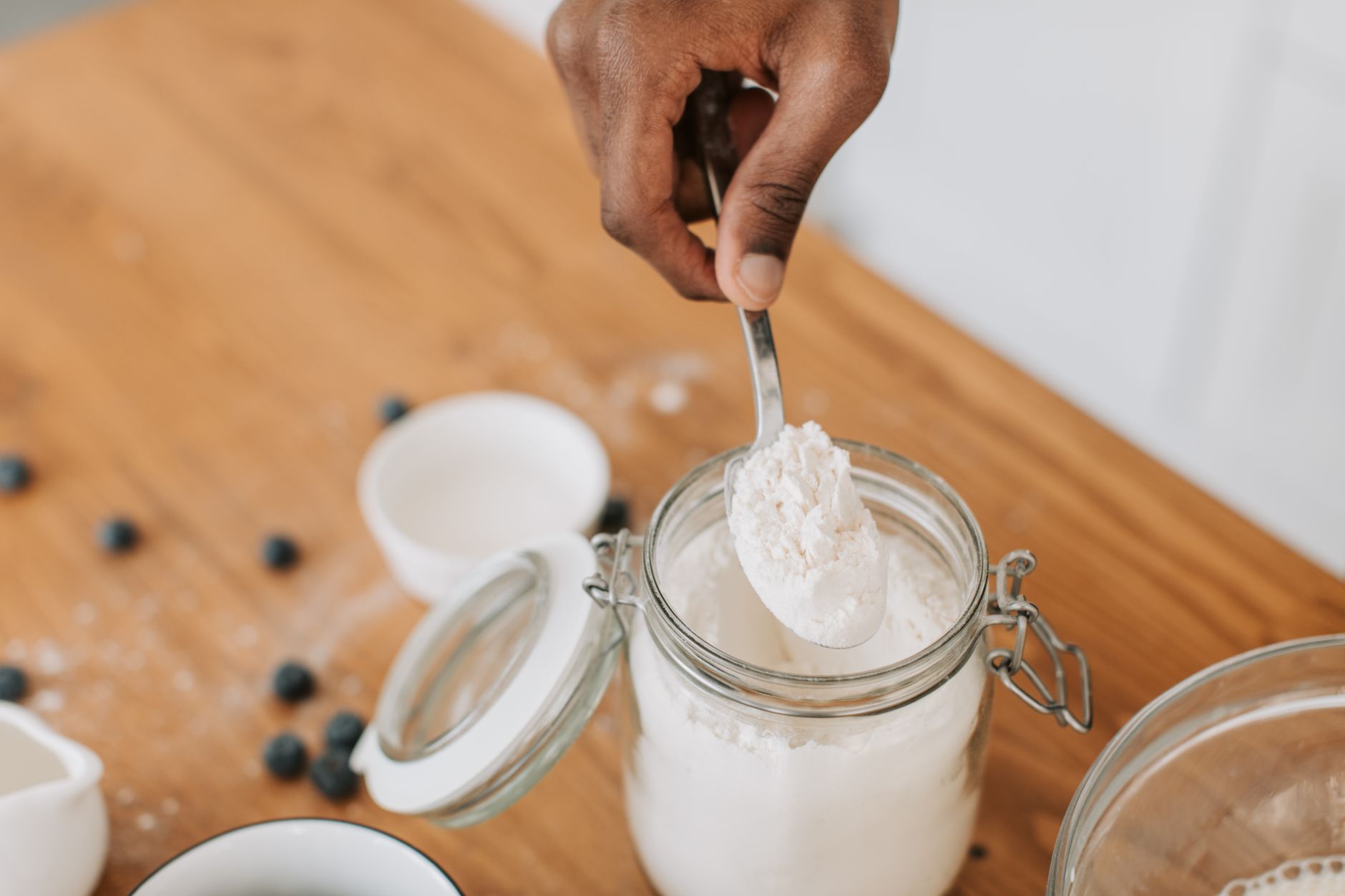
Baking soda, chemically known as sodium bicarbonate (NaHCO3), is a salt composed of sodium ions (Na+) and bicarbonate ions (HCO3-). When baking soda dissolves in water, it undergoes a chemical reaction, influencing the hydrogen ion concentration.
- Chemical Formula: NaHCO3
- Composition: Sodium, Hydrogen, Carbon, Oxygen
- Solubility: Soluble in water
How Baking Soda Affects Water pH
When baking soda dissolves in water, the bicarbonate ions (HCO3-) can act as a buffer. A buffer is a substance that resists changes in pH. The bicarbonate ion can accept or donate protons (H+), depending on the existing pH of the water. Because bicarbonate acts as a weak base, its predominant effect is to increase the pH of water slightly. It will neutralize acids present, which effectively raises the pH.
Common Misconceptions About Baking Soda and pH
The misconception that baking soda lowers pH likely stems from its use in neutralizing acids. When baking soda is added to an acidic solution, it reacts with the acid, neutralizing it and raising the pH towards neutral (pH 7). However, in pure water that is already close to neutral, adding baking soda will shift the pH towards alkaline, not lower it.
Applications Where Baking Soda is Used to Adjust pH
- Swimming Pools: Baking soda is sometimes used to increase the alkalinity of pool water, helping to stabilize the pH. This is not the same as directly lowering the pH.
- Aquariums: It can be used in aquariums to raise the pH if it’s too low (acidic).
- Laundry: Baking soda can act as a pH buffer in laundry water, helping detergents work more effectively.
Factors Affecting the Change in pH
The amount of change in pH when adding baking soda to water depends on several factors:
- Initial pH of the Water: Water with a lower initial pH will experience a more significant increase in pH compared to water that is already close to neutral.
- Amount of Baking Soda Added: The more baking soda added, the higher the pH will rise, up to a certain point where the solution becomes saturated.
- Presence of Other Substances: The presence of other chemicals in the water can influence how baking soda affects the pH.
Comparing Baking Soda to Other pH Adjusters
| pH Adjuster | Effect on pH | Common Use |
|---|---|---|
| Baking Soda (NaHCO3) | Increases | Increase alkalinity, pH buffering |
| Vinegar (Acetic Acid) | Decreases | Lower pH, cleaning |
| Lemon Juice | Decreases | Lower pH, flavoring |
| Soda Ash (Na2CO3) | Increases | Increase pH more significantly than baking soda |
Considerations When Using Baking Soda for pH Adjustment
While baking soda can be used to adjust pH, it’s essential to consider the following:
- Gradual Addition: Add baking soda slowly and in small increments, testing the pH after each addition.
- Testing Equipment: Use a reliable pH meter or testing strips to accurately measure the pH.
- Over-adjustment: Avoid adding too much baking soda, as it can raise the pH too high.
- Water Quality: Always use clean, filtered water.
Frequently Asked Questions (FAQs)
If baking soda doesn’t lower pH, what does?
Substances like vinegar (acetic acid), lemon juice (citric acid), and muriatic acid are commonly used to lower pH in water. These are acids that release hydrogen ions (H+) when dissolved, thus reducing the pH.
Can baking soda be used to neutralize acid spills?
Yes, baking soda is an excellent choice for neutralizing acid spills. Its ability to act as a buffer means it will react with the acid to raise the pH towards neutral, effectively rendering the spill less dangerous.
Will baking soda change the taste of water?
Adding a small amount of baking soda is unlikely to drastically alter the taste of water. However, adding excessive amounts can give the water a slightly alkaline or salty taste.
Is baking soda safe to use in drinking water to adjust pH?
While baking soda is generally considered safe, it is not typically recommended for adjusting the pH of drinking water on a regular basis without consulting a water quality professional. Excessive alkalinity in drinking water may have undesirable effects.
How much baking soda should I add to water to raise the pH?
The amount of baking soda needed will vary depending on the initial pH and volume of water. Start with small amounts (e.g., 1 teaspoon per gallon) and test the pH after each addition. It is always best to gradually increase pH.
What is the difference between baking soda and baking powder?
Baking soda (sodium bicarbonate) is a single compound, while baking powder is a mixture containing baking soda and an acid. Baking powder is designed to create carbon dioxide gas for leavening when mixed with liquid, whereas baking soda needs an acid source to react in the same way.
Can I use baking soda to lower the pH of my soil?
No, baking soda is not suitable for lowering soil pH. It will actually raise the soil pH. To lower soil pH, you should use sulfur or peat moss.
Does baking soda affect the hardness of water?
While baking soda doesn’t directly affect water hardness (concentration of calcium and magnesium ions), it can temporarily reduce the effects of hard water by precipitating some of the calcium and magnesium.
What happens if I add too much baking soda to water?
Adding too much baking soda can overly increase the pH, making the water excessively alkaline. This can have negative consequences depending on the application, such as causing skin irritation in swimming pools or harming aquatic life in aquariums.
Is there a natural way to lower pH without using chemicals?
Yes, some natural ways to lower pH include adding peat moss, tannins (from driftwood), or carbon dioxide (e.g., by bubbling CO2 gas into the water).
What pH should my swimming pool water be?
The ideal pH for swimming pool water is typically between 7.2 and 7.8. This range helps to ensure effective sanitation and prevents skin irritation.
Does the temperature of water affect how baking soda changes the pH?
Yes, temperature can slightly affect the solubility of baking soda and the pH of the solution. However, the effect is generally minor in most practical applications. Colder water may dissolve less baking soda, influencing the pH impact.