

Where Do King Snakes Like to Hide? Unveiling Their Secret Sanctuaries
King snakes, opportunistic predators and vital members of their ecosystems, often seek out secluded spots for shelter, thermoregulation, and ambush predation; king snakes are often found under rocks, logs, and debris, making these hiding places crucial for their survival.
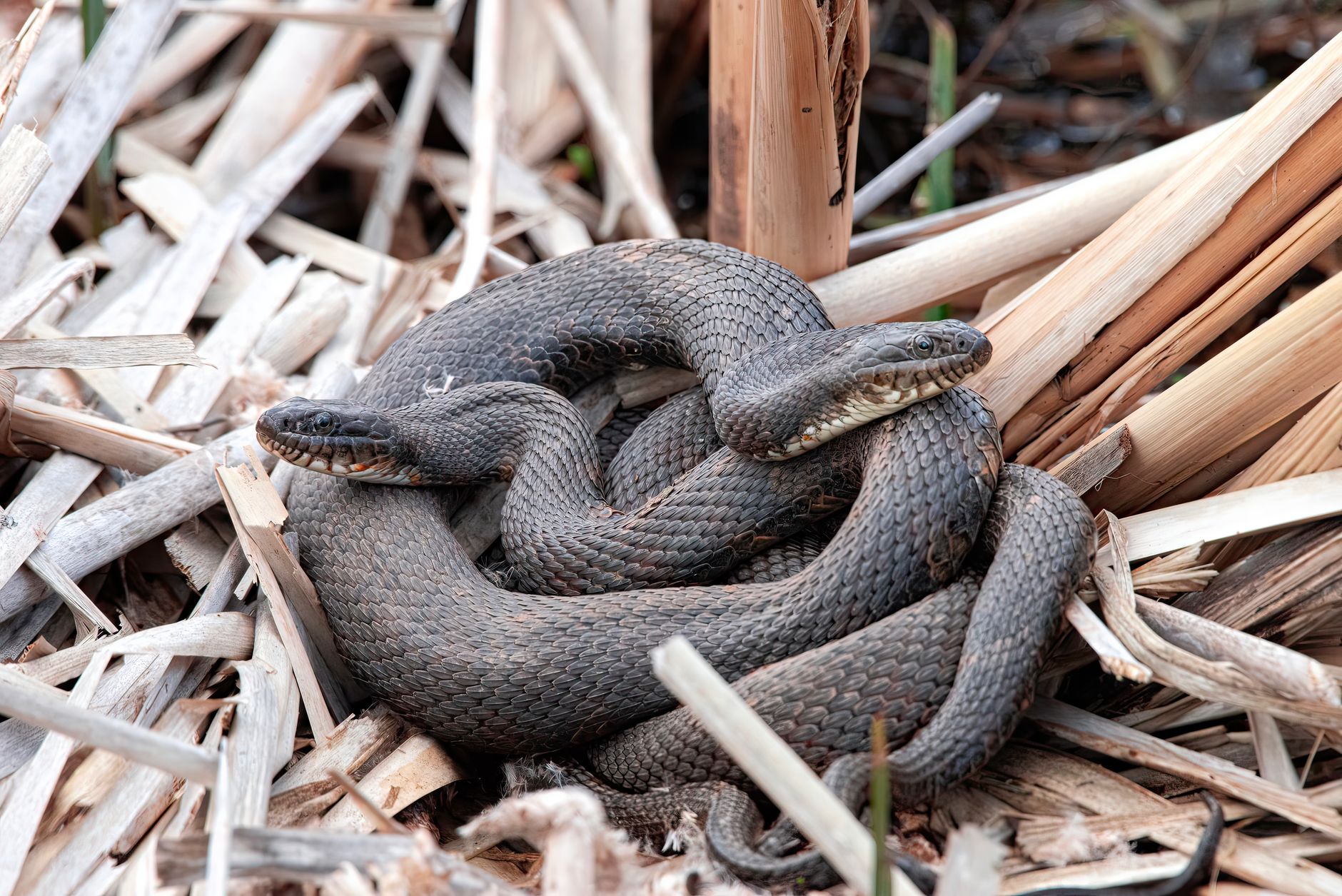
Introduction: The Secret Life of King Snakes
King snakes (genus Lampropeltis) are fascinating reptiles known for their diverse diets and their ability to consume other snakes, even venomous ones. Understanding their behavior, particularly where do king snakes like to hide?, is crucial for both conservation efforts and for people who share their habitat. These snakes are adaptable and can be found in a variety of environments, but their need for secure shelters remains constant.

What is the GREY African clawed frog?
Is distilled water good for goldfish?
What colours are fish most attracted to?
Can you put your finger in a trout's mouth?
Why King Snakes Need Hiding Places

Hiding places provide king snakes with multiple essential benefits:
-
Protection from Predators: King snakes, while formidable predators themselves, are also preyed upon by larger animals such as birds of prey, coyotes, and even larger snakes. Shelters offer a safe haven.
-
Thermoregulation: As ectothermic animals, king snakes rely on external sources of heat to regulate their body temperature. Hiding places allow them to access microclimates that are warmer or cooler, depending on their needs. They can hide under a rock during the day to absorb warmth or retreat into a cooler, damp burrow to avoid overheating.
-
Ambush Predation: King snakes are ambush predators, meaning they lie in wait for their prey to come within striking distance. Hiding places provide them with the concealment they need to successfully hunt.
-
Shedding: The shedding process leaves a snake vulnerable. A secure hiding place allows them to shed their skin without risking predation or injury.
-
Egg-laying: Female king snakes require safe and suitable locations to lay their eggs. These sites must be protected from predators and provide the right temperature and humidity for incubation.
Prime King Snake Hideouts: A Detailed Look
So, where do king snakes like to hide specifically? Their preferences depend on the environment, but some common choices include:
-
Under Rocks and Logs: This is perhaps the most common type of hideout. Rocks and logs provide protection from the elements and predators, as well as offering a stable temperature.
-
In Burrows and Tunnels: King snakes will readily utilize burrows created by rodents or other animals. They may also excavate their own burrows, particularly in loose soil.
-
Beneath Leaf Litter and Debris: Piles of leaves, brush, and other organic debris offer excellent concealment and can retain moisture, creating a suitable microclimate.
-
Inside Hollow Logs or Tree Stumps: These offer protection from the elements and predators, while also offering some insulation against temperature fluctuations.
-
In Rock Piles and Walls: Rock piles and stone walls offer numerous crevices and hiding places, making them ideal habitat for king snakes.
-
Near Water Sources: King snakes are often found near streams, ponds, or other bodies of water, where they can find ample prey and a humid environment.
-
Man-Made Structures: King snakes may also utilize man-made structures such as sheds, garages, and even abandoned vehicles as hiding places.
Identifying King Snake Habitat: What to Look For
Knowing what to look for can help you identify potential king snake habitats:
-
Observe Landscape Features: Look for areas with abundant rocks, logs, leaf litter, and other debris.
-
Identify Potential Prey Sources: Areas with high populations of rodents, lizards, and other snakes are likely to attract king snakes.
-
Check for Burrows and Tunnels: Look for small holes in the ground that could be used by king snakes.
-
Inspect Man-Made Structures: Check around sheds, garages, and other buildings for potential hiding places.
King Snake Habitat Management: Coexisting Safely
If you live in an area where king snakes are common, you can take steps to coexist safely with them:
- Maintain a Clean Yard: Remove piles of debris, rocks, and logs that could provide hiding places for snakes.
- Control Rodent Populations: Rodents are a primary food source for king snakes. By controlling rodent populations, you can reduce the attractiveness of your property to these snakes.
- Seal Cracks and Crevices: Seal any cracks or crevices in your foundation or other structures to prevent snakes from entering.
- Avoid Disturbing Snakes: If you encounter a king snake, leave it alone. They are not aggressive and will typically only bite if they feel threatened.
The Importance of King Snakes in the Ecosystem
King snakes play a vital role in maintaining the balance of their ecosystems. As predators of other snakes, including venomous species like rattlesnakes and copperheads, they help to control populations and prevent overpopulation. They also prey on rodents, lizards, and other small animals, contributing to the overall health and stability of their environment.
Conclusion: Respecting and Protecting King Snakes
Understanding where do king snakes like to hide? is essential for appreciating and protecting these fascinating creatures. By recognizing their habitat needs and taking steps to coexist safely, we can help ensure their survival and the health of the ecosystems they inhabit. King snakes are a valuable part of our natural world, and their presence should be celebrated, not feared.
Frequently Asked Questions (FAQs) About King Snake Habitats
Where are king snakes most commonly found geographically?
King snakes are widely distributed across North America, ranging from southern Canada to northern Mexico. They are particularly common in the southeastern United States, the southwestern United States, and California. Their adaptable nature allows them to thrive in a variety of habitats, making them one of the most widely distributed snake species in North America.
Are king snakes dangerous to humans?
King snakes are not considered dangerous to humans. They are non-venomous and generally docile. While they may bite if they feel threatened, their bite is not medically significant. In fact, they are often considered beneficial to humans because they prey on venomous snakes and rodents.
What is the typical diet of a king snake?
King snakes are opportunistic predators with a diverse diet. They primarily feed on other snakes, including venomous species like rattlesnakes and copperheads, as well as rodents, lizards, birds, and eggs. Their ability to consume other snakes is a key characteristic that sets them apart from other snake species.
How big do king snakes get?
King snakes vary in size depending on the species, but they typically range from 3 to 7 feet in length. Some species, such as the Eastern King Snake (Lampropeltis getula), can reach lengths of over 8 feet. Their impressive size makes them formidable predators.
How long do king snakes typically live?
In the wild, king snakes typically live for 10 to 15 years. In captivity, with proper care, they can live for 20 years or more. Their lifespan is influenced by factors such as habitat quality, food availability, and predator pressure.
Do king snakes hibernate?
Yes, king snakes hibernate during the winter months. They seek out sheltered locations, such as burrows, rock crevices, or underground dens, to avoid the cold. Hibernation allows them to conserve energy and survive the winter when food is scarce.
What are the main predators of king snakes?
King snakes are preyed upon by a variety of animals, including birds of prey (such as hawks and owls), coyotes, foxes, bobcats, and larger snakes. Their hiding places are crucial for avoiding these predators.
How can I attract king snakes to my property?
While some people may not want to attract king snakes, those interested in natural pest control can provide suitable habitat by creating rock piles, leaving logs and leaf litter in place, and maintaining a water source. However, it’s important to be aware that attracting king snakes may also attract their prey, such as rodents.
What should I do if I find a king snake in my house?
If you find a king snake in your house, remain calm and avoid startling it. Open a door or window and allow it to exit on its own. If you are uncomfortable with this, you can gently guide it outside using a broom or other tool. Do not attempt to handle the snake unless you are experienced in handling reptiles.
Are king snakes protected by law?
King snakes are not typically protected by federal law in the United States. However, some states may have regulations regarding their capture, possession, or sale. It’s important to check with your state’s wildlife agency for specific information.
What is the difference between a king snake and a coral snake?
It’s crucial to distinguish king snakes from venomous coral snakes. A common mnemonic is “Red on yellow, kill a fellow; red on black, venom lack.” This refers to the banding pattern on the snakes: coral snakes have red bands touching yellow bands, while king snakes have red bands touching black bands. However, this rhyme only applies to coral snakes in North America; coral snakes in other parts of the world may have different banding patterns.
How can I create a king snake-friendly habitat in my backyard?
To create a king snake-friendly habitat in your backyard, provide a variety of hiding places, such as rock piles, logs, and leaf litter. Maintain a water source, such as a birdbath or small pond. Avoid using pesticides or herbicides, which can harm snakes and their prey. By creating a diverse and natural environment, you can attract king snakes and other beneficial wildlife.