
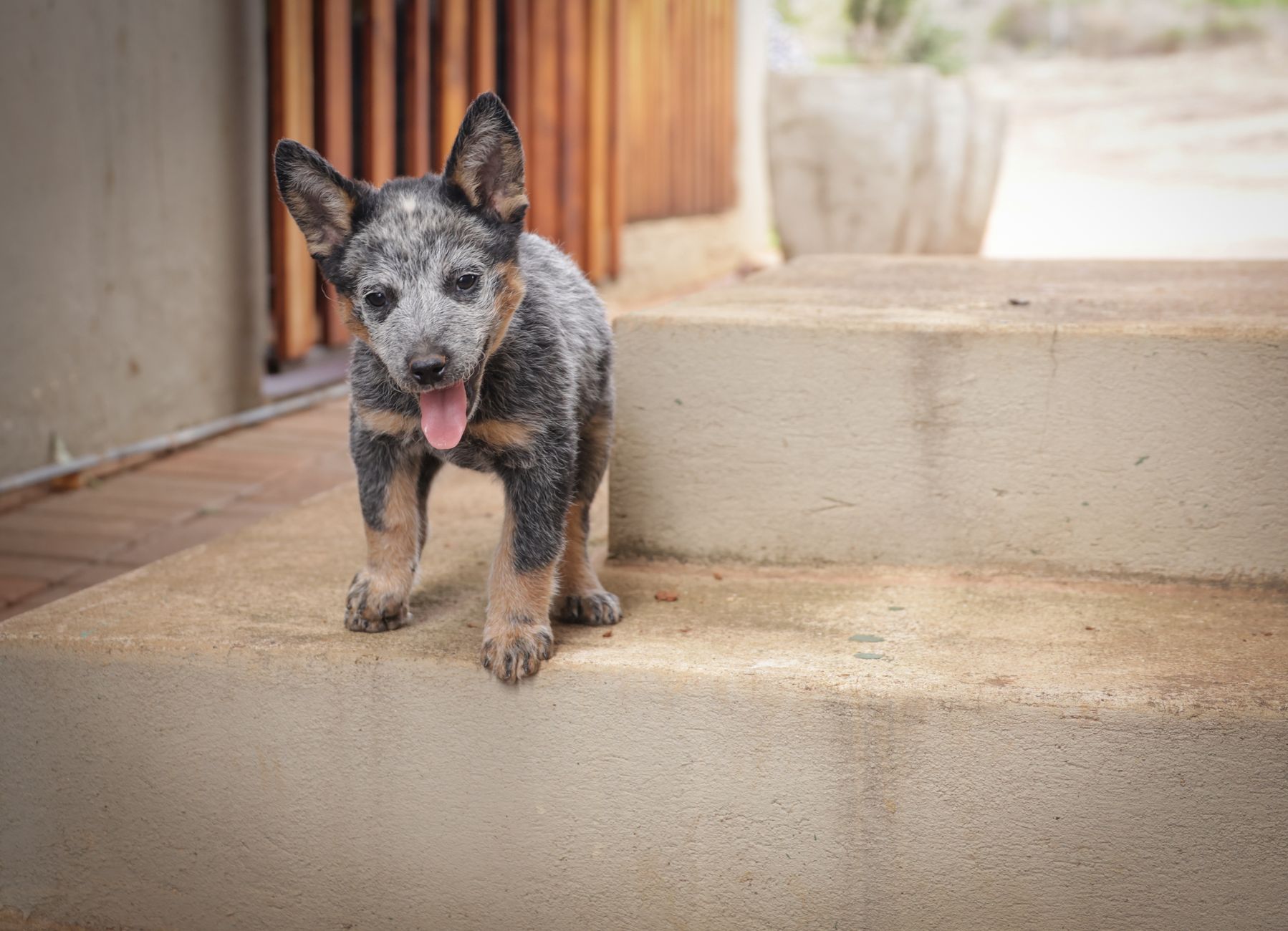
Are Blue Heelers Good with Kids? Understanding the Breed
Are Blue Heelers good with kids? The answer is complex: with proper socialization, training, and understanding of the breed’s herding instincts, Blue Heelers can be loyal and protective companions for children, but early and consistent effort is crucial.

Understanding the Blue Heeler Breed
The Australian Cattle Dog, commonly known as the Blue Heeler, is a hardy and intelligent breed developed for herding cattle across vast Australian landscapes. This heritage has deeply ingrained certain traits that influence their interactions with children. Understanding these traits is essential to successfully integrating a Blue Heeler into a family with kids.
- Herding Instincts: This is arguably the most important trait to consider. Blue Heelers have a strong urge to herd, which can manifest as nipping at heels, circling, and attempting to control movement. This isn’t aggression, but rather an ingrained behavior.
- High Energy Levels: They require significant physical and mental stimulation. A bored Blue Heeler can become destructive and more likely to exhibit unwanted herding behavior.
- Intelligence and Trainability: Blue Heelers are highly intelligent and eager to please, making them trainable with consistent and positive reinforcement methods.
- Loyalty and Protectiveness: They are fiercely loyal to their families and can be very protective, making them excellent watchdogs.

Is distilled water good for goldfish?
What colours are fish most attracted to?
Can you put your finger in a trout's mouth?
Does aquarium salt raise pH in aquarium?
Socialization is Key

Proper socialization from a young age is absolutely critical for Blue Heelers in a family environment, especially when children are involved.
- Early Exposure: Expose your Blue Heeler puppy to a wide variety of people, places, sounds, and experiences.
- Positive Reinforcement: Reward calm and positive interactions with children.
- Supervised Interactions: Always supervise interactions between your Blue Heeler and children, especially young children.
- Teach Children Respect: Teach children how to interact respectfully with the dog, avoiding teasing, rough play, or disturbing them while eating or sleeping.
Training and Management Techniques
Training is not optional; it is essential for a harmonious relationship.
- Obedience Training: Enroll your Blue Heeler in obedience classes to learn basic commands like sit, stay, come, and leave it.
- Herding Instinct Management: Redirect herding behavior towards appropriate outlets, such as fetching or playing with toys. Teach a “leave it” command to stop nipping.
- Mental Stimulation: Provide puzzle toys, training games, and other activities to keep your Blue Heeler mentally stimulated.
- Consistent Rules and Boundaries: Establish clear rules and boundaries for the dog and consistently enforce them.
Potential Challenges and Solutions
Even with proper training and socialization, some challenges may arise.
- Nipping: If your Blue Heeler nips at your children’s heels, immediately redirect their attention to a toy or command.
- Excessive Barking: Address excessive barking with training and mental stimulation. Determine the trigger for the barking and work to desensitize the dog.
- Resource Guarding: If your Blue Heeler exhibits resource guarding (protecting food, toys, or space), seek professional guidance from a certified dog trainer.
- Over-Protectiveness: Over-protectiveness can be addressed with socialization and by reinforcing calm behavior around strangers.
Blue Heeler vs. Other Breeds
| Breed | Energy Level | Herding Instinct | Tolerance for Children | Trainability |
|---|---|---|---|---|
| Blue Heeler | High | High | Moderate (with training) | High |
| Golden Retriever | Moderate | Low | High | High |
| Labrador Retriever | Moderate | Low | High | High |
| Border Collie | High | Very High | Moderate (with training) | Very High |
This table demonstrates that while Golden and Labrador Retrievers are generally more naturally tolerant of children, Blue Heelers, with dedicated training, can also be great family pets.
Frequently Asked Questions
Are Blue Heelers naturally aggressive towards children?
No, Blue Heelers are not naturally aggressive. Their herding instincts can be misinterpreted as aggression, especially if they are not properly socialized and trained. Early intervention is crucial.
At what age should I start socializing my Blue Heeler puppy?
Socialization should begin as early as possible, ideally between 8 and 16 weeks of age. This is a critical period for puppies to learn to interact appropriately with people and other animals.
How much exercise do Blue Heelers need?
Blue Heelers need a lot of exercise. Aim for at least one to two hours of physical activity per day, including walks, runs, playtime, and mental stimulation.
Can Blue Heelers be left alone with children unsupervised?
Supervision is always recommended, especially with young children. Even well-trained dogs can react unexpectedly in certain situations.
What are some signs that my Blue Heeler is not comfortable around children?
Signs of discomfort may include lip licking, yawning, whale eye (showing the whites of their eyes), tucked tail, and avoidance. If you observe these behaviors, separate the dog and children immediately.
What type of training is best for Blue Heelers?
Positive reinforcement training methods are most effective. Reward desired behaviors with treats, praise, or toys. Avoid punishment-based methods, as they can damage the relationship and create fear or aggression.
Are Blue Heelers good for first-time dog owners?
Blue Heelers are not typically recommended for first-time dog owners. Their high energy levels, strong herding instincts, and intelligence require experienced handling and consistent training.
How do I stop my Blue Heeler from nipping at my children’s heels?
Redirect the behavior with a toy or command. Teach a “leave it” command and reward the dog for obeying. Ensure the dog is getting enough exercise and mental stimulation.
What if my Blue Heeler is jealous of my children?
Jealousy can manifest as pushing, barking, or even snapping. Address this by ensuring the dog receives plenty of attention and training, and by establishing clear boundaries. Never let the dog challenge the child for attention.
How do I teach my children to respect our Blue Heeler?
Teach children to approach the dog calmly and respectfully, avoid teasing or rough play, and never disturb the dog while eating or sleeping. Children should also learn to recognize signs of stress or discomfort in the dog.
My Blue Heeler is overprotective of my children. How do I manage this?
Socialize the dog extensively with other people and animals. Teach a “place” command to send the dog to a designated spot when visitors arrive. Reinforce calm behavior around strangers.
Are Blue Heelers good with kids if they are raised together from puppyhood?
While raising a Blue Heeler and children together can foster a strong bond, it doesn’t guarantee a problem-free relationship. Consistent training, socialization, and supervision are still essential to ensure a safe and harmonious environment for everyone. Are Blue Heelers good with kids in this situation? Often, but only with considerable effort.