
Can Milk Truly Hydrate a Cat? Unveiling the Truth Behind Feline Hydration
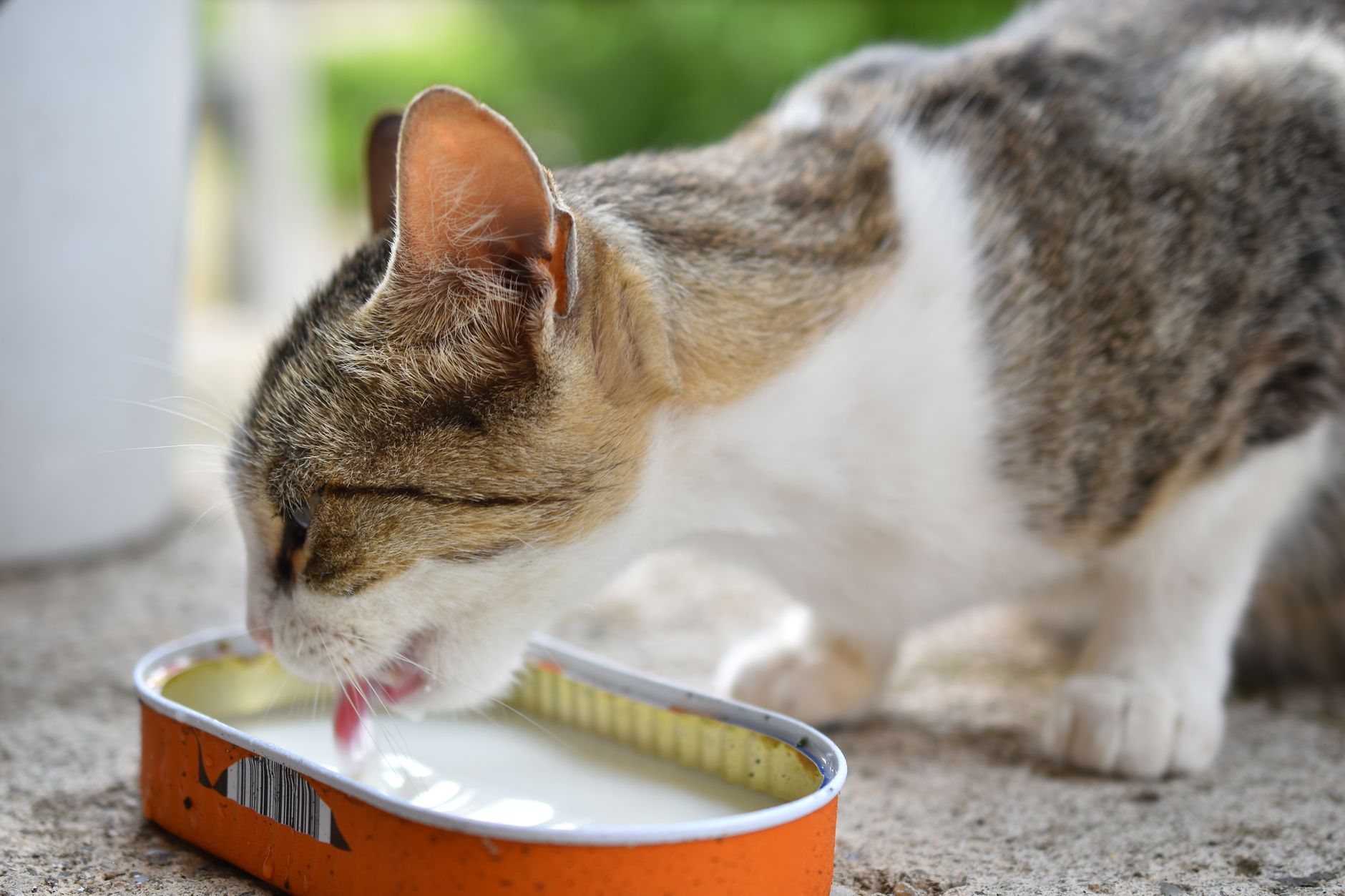
While the image of a cat lapping up a saucer of milk is iconic, can milk help hydrate a cat? The short answer is: not really, and it could actually cause more harm than good. Milk is generally not a suitable source of hydration for cats and might lead to digestive issues.
The Myth of Milk and Cats: A Brief History
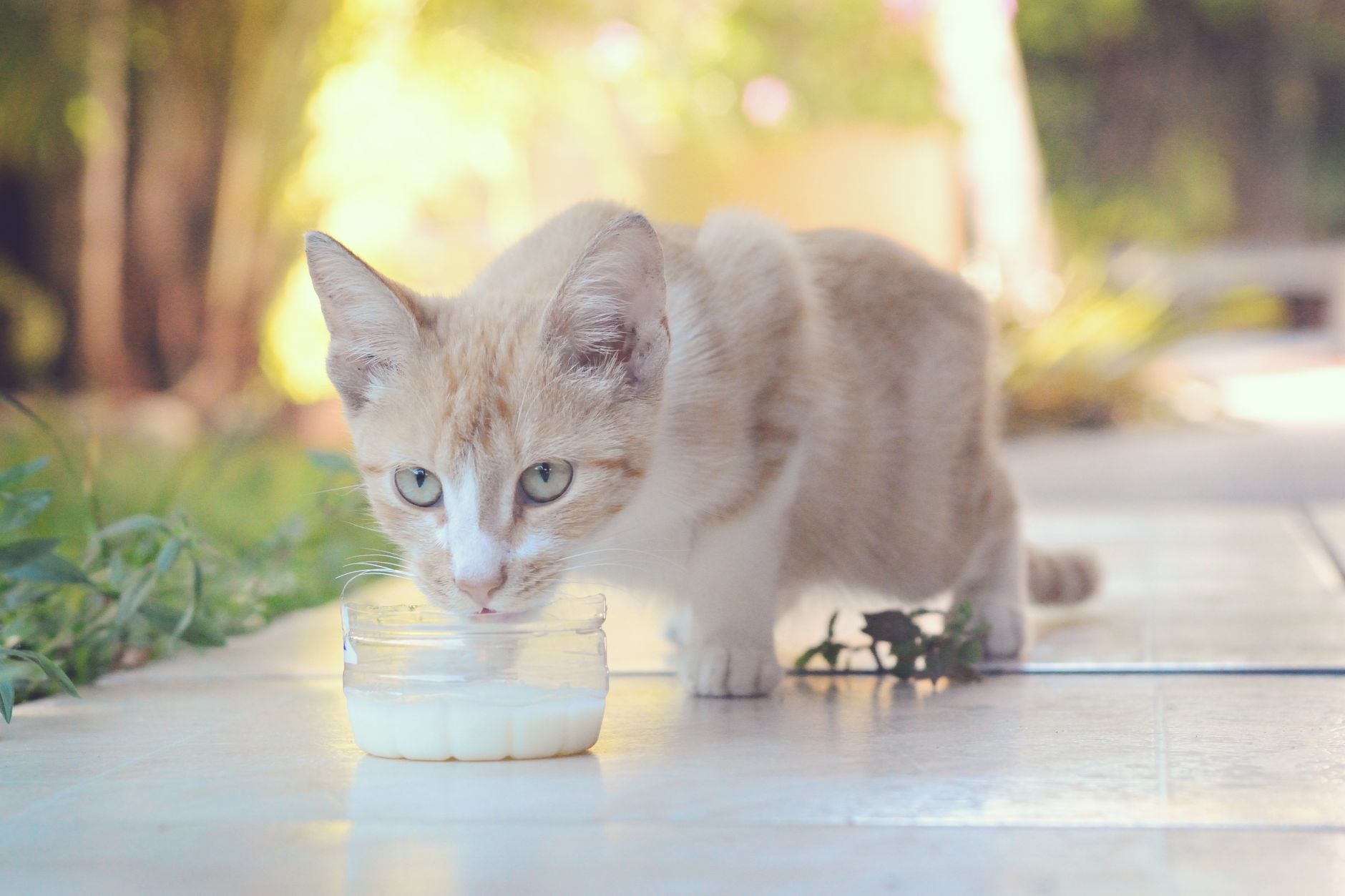
For generations, the image of cats happily drinking milk has been ingrained in our culture. This likely stems from the fact that young kittens, like all mammals, are initially nourished by their mother’s milk. However, as cats mature, their ability to digest lactose, the sugar found in milk, diminishes significantly. This leads to lactose intolerance in most adult cats.
Lactose Intolerance in Cats: Understanding the Science

The primary reason why milk isn’t a good hydrator for cats lies in their digestive systems. As kittens grow, they produce less lactase, the enzyme needed to break down lactose. When lactose is undigested, it ferments in the gut, leading to a range of unpleasant symptoms.
- Symptoms of Lactose Intolerance:
- Diarrhea
- Vomiting
- Gas
- Abdominal Discomfort
The severity of these symptoms varies depending on the amount of lactose ingested and the individual cat’s tolerance level. Some cats might experience only mild discomfort, while others could suffer from severe gastrointestinal distress.
The Dehydration Risk: Why Milk Isn’t the Answer
While milk does contain water, its lactose content renders it a poor choice for hydration. The digestive upset caused by lactose can actually contribute to dehydration due to vomiting and diarrhea. A cat experiencing these symptoms will lose fluids, exacerbating their hydration needs.
Better Hydration Options for Your Feline Friend
Instead of milk, focus on providing fresh, clean water as the primary source of hydration for your cat.
- Ways to Encourage Water Intake:
- Fresh Water: Always provide a readily available bowl of fresh water. Clean and refill it daily.
- Multiple Water Sources: Place water bowls in different locations around the house.
- Fountains: Consider a pet water fountain. Many cats prefer drinking running water.
- Wet Food: Supplement dry food with wet food, which has a much higher moisture content.
- Flavoring Water: Some cats enjoy flavored water. Try adding a small amount of unsalted chicken or fish broth (ensure it doesn’t contain onions or garlic, which are toxic to cats).
Alternative Milk Products: Are They Safer?
Some pet owners wonder about lactose-free milk or specialized cat milk products. While lactose-free milk might be slightly easier to digest, it’s still not an ideal hydrator. It often contains added sugars and other ingredients that aren’t beneficial for cats. Specially formulated cat milk, on the other hand, is designed to be low in lactose and may contain added nutrients.
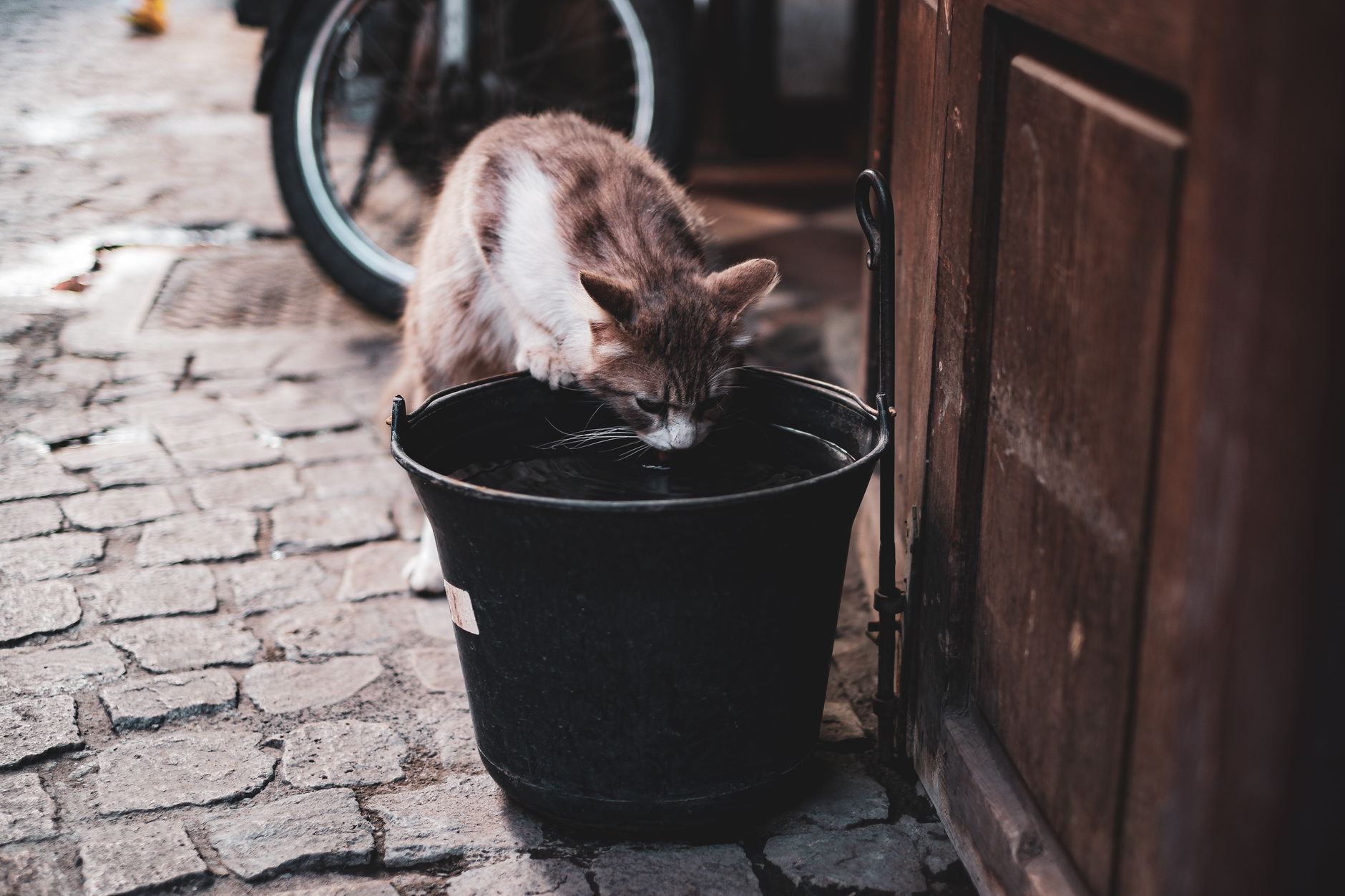
However, it is still best to give them water and food specially designed for cats. Consider other, healthier alternatives, and always consult your vet.
Here’s a simple comparison:
| Feature | Cow’s Milk (Regular) | Lactose-Free Milk | Cat Milk | Water |
|---|---|---|---|---|
| Lactose Content | High | Low | Very Low | None |
| Hydration Value | Low | Low | Moderate | High |
| Digestive Issues | Likely | Possible | Less Likely | Unlikely |
| Added Ingredients | Varies | Varies | May Contain Added Nutrients | None |
When to Consult a Veterinarian
If you’re concerned about your cat’s hydration levels, it’s always best to consult with a veterinarian. Signs of dehydration include:
- Lethargy
- Sunken eyes
- Dry gums
- Decreased skin elasticity
Your vet can assess your cat’s condition and recommend appropriate hydration strategies.
Frequently Asked Questions (FAQs)
Can Milk Help Hydrate a Cat?
No, while milk contains water, its lactose content makes it a poor choice for hydrating most adult cats, and it can actually lead to dehydration by causing gastrointestinal upset.
Is it ever okay to give a cat milk?
Yes, kittens that are still nursing can and should have milk from their mother or a specialized kitten milk replacer, which is formulated to be easily digestible. However, once a cat is weaned, regular cow’s milk should generally be avoided.
What is lactose intolerance?
Lactose intolerance occurs when the body cannot easily digest lactose, a type of natural sugar found in milk and dairy products. In cats, this is due to a reduction in the production of lactase, the enzyme that breaks down lactose.
What are the symptoms of lactose intolerance in cats?
The most common symptoms of lactose intolerance in cats include diarrhea, vomiting, gas, and abdominal discomfort. The severity can vary depending on the individual cat.
Is lactose-free milk safe for cats?
While lactose-free milk is less likely to cause digestive upset than regular milk, it’s still not the best option for hydration. It may contain other ingredients that are not beneficial for cats.
Are there any benefits to giving my cat milk?
Generally, there are no significant benefits to giving adult cats milk. The risks of digestive upset outweigh any potential nutritional value.
What kind of milk can I give my cat?
If you feel compelled to offer milk, specially formulated cat milk is the safest option. However, water is always the best choice for hydration.
How can I tell if my cat is dehydrated?
Signs of dehydration in cats include lethargy, sunken eyes, dry gums, and decreased skin elasticity (when you gently pinch the skin, it doesn’t snap back quickly).
How much water should my cat drink each day?
A general guideline is that cats should drink about 4 ounces of water per 5 pounds of body weight per day. However, this can vary depending on their diet (wet food vs. dry food) and activity level.
My cat loves milk! Can I still give it to him occasionally?
Even if your cat seems to enjoy milk, it’s still best to avoid it if possible. The potential for digestive upset is always present. If you choose to give milk, do so only in very small quantities as a rare treat.
What are some creative ways to encourage my cat to drink more water?
You can try adding a small amount of unsalted chicken or fish broth to the water, using a pet water fountain, or offering multiple water bowls in different locations.
Can milk help hydrate a cat? Is there any circumstance where it can?
While milk can technically contribute a small amount of fluid, it’s not a reliable or healthy way to hydrate a cat. Water is always the superior and recommended option.