

Where Do Coyotes Feed? Unveiling the Coyote’s Diverse Diet and Habitat
Where do coyotes feed? Coyotes exhibit remarkable adaptability in their feeding habits, consuming a wide variety of food sources depending on availability and location, ranging from small rodents to fruits and even garbage in urban environments, showcasing their skill at exploiting diverse ecological niches.

Understanding the Coyote’s Opportunistic Diet
Coyotes, Canis latrans, are masters of survival, and their dietary flexibility is a key factor in their success. Unlike some predators with highly specialized diets, coyotes are opportunistic feeders, meaning they will consume just about anything they can find. This adaptability has allowed them to thrive in a wide range of environments, from deserts and forests to suburban and even urban areas. Understanding where coyotes feed involves recognizing this diverse dietary range.

What colours are fish most attracted to?
Can you put your finger in a trout's mouth?
Is methylene blue anti bacterial?
Does aquarium salt raise pH in aquarium?
The Primary Prey: Rodents and Small Mammals
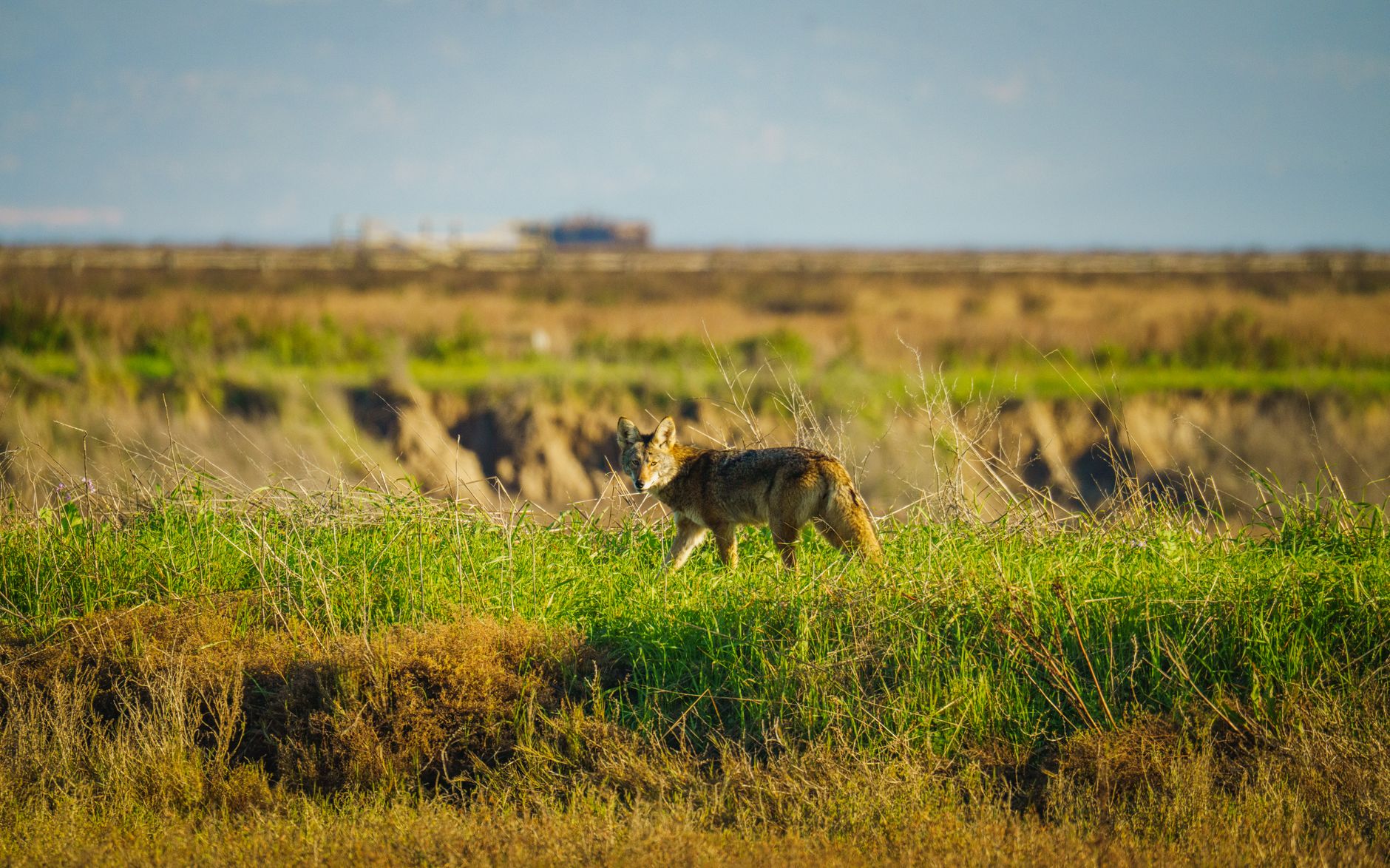
The foundation of the coyote diet consists primarily of small mammals, especially rodents like mice, voles, and gophers. These animals are readily available in many habitats, providing a consistent source of protein and energy. Coyotes are skilled hunters of these small creatures, using their keen senses of hearing and smell to locate them, often even beneath the snow.
Expanding the Menu: Birds, Reptiles, and Insects
While rodents form the core, coyotes also consume birds, reptiles, and insects when available. Ground-nesting birds and their eggs are particularly vulnerable. In some areas, insects, especially grasshoppers, can be an important food source, particularly during periods of abundance. This wider range of prey contributes to understanding where coyotes feed.
The Scavenger’s Role: Carrion and Garbage
Coyotes are not strictly predators; they are also effective scavengers. They will readily consume carrion (dead animals), which can be a significant food source, particularly in winter. In urban and suburban areas, coyotes have learned to exploit human-related food sources, including garbage, pet food left outdoors, and even compost piles. This urban scavenging significantly impacts where coyotes feed in populated areas.
Seasonal Shifts in Diet
A coyote’s diet can also vary seasonally. During the summer and fall, they may consume more fruits and berries, which provide a valuable source of carbohydrates and vitamins. In winter, when small mammals may be harder to find, they may rely more heavily on carrion or switch to hunting larger prey. This seasonal adaptation shapes where coyotes feed throughout the year.
The Impact of Habitat on Coyote Diet
The specific habitat where a coyote lives greatly influences its diet. Coyotes in rural areas may primarily hunt wild prey, while those in urban areas may rely more on human-related food sources. The availability of different prey species and food sources varies considerably across different environments, meaning where coyotes feed can change depending on their environment.
Coyote Diet and Ecosystem Balance
Coyotes play an important role in their ecosystems. As predators, they help to control populations of rodents and other small mammals. By consuming carrion, they help to remove decaying matter and prevent the spread of disease. Understanding where coyotes feed helps us appreciate their role in maintaining ecological balance.
Challenges and Adaptations
The ability of coyotes to adapt to changing environments is both impressive and concerning. As their natural habitats are fragmented and altered, coyotes are increasingly coming into contact with humans, which can lead to conflicts. Managing these conflicts requires understanding the ecological pressures that influence where coyotes feed and how to mitigate potential problems.
Understanding the Coyote’s Range of Diet Sources
- Rodents and Small Mammals: Staple food source across most habitats.
- Birds and Reptiles: Consumed opportunistically, especially during nesting season.
- Insects: Locally important, especially grasshoppers.
- Carrion: Provides sustenance, particularly during lean periods.
- Fruits and Berries: Important seasonal food source.
- Human-Related Food: Garbage, pet food, compost.
Comparative analysis of feeding habits
| Diet Source | Rural Environments | Urban Environments |
|---|---|---|
| Rodents | High Prevalence | Moderate Prevalence |
| Birds | Moderate Prevalence | Lower Prevalence |
| Carrion | Moderate Prevalence | Low Prevalence |
| Human-Related | Low Prevalence | High Prevalence |
| Fruits & Berries | Seasonal, often significant | Seasonal, typically less accessible than rural areas |
Coyote Feeding: Summary of Key Considerations
- Flexibility: Coyotes can and will consume almost anything.
- Opportunism: They capitalize on whatever is easily available.
- Adaptation: Their diet adapts to seasonal changes and habitat.
- Impact: Coyote feeding plays a role in ecosystems and creates potential challenges in urban environments.
Frequently Asked Questions (FAQs)
What is the primary food source for coyotes in rural areas?
In rural areas, the primary food source for coyotes is typically small mammals, such as rodents, rabbits, and ground squirrels. These animals provide the bulk of their protein and energy needs. They supplement this diet with birds, reptiles, insects, and occasional carrion.
Do coyotes hunt in packs, and how does this affect their feeding habits?
Coyotes typically hunt alone or in pairs, although they may occasionally hunt in small packs, especially during the winter when larger prey, like deer, become more vulnerable. Pack hunting allows them to tackle larger animals but is less common than solitary or paired hunting, which is more efficient for catching small mammals.
Are coyotes dangerous to pets, and how can I protect my animals?
Coyotes can pose a threat to pets, especially small dogs and cats. To protect your pets, keep them indoors, especially at night, supervise them closely when outdoors, and secure your garbage and pet food to avoid attracting coyotes to your property.
How do coyotes find their food, and what senses do they rely on?
Coyotes have excellent senses that they use to find food. They have a very acute sense of hearing, which they use to locate rodents moving beneath the ground or snow. Their sense of smell is also highly developed, allowing them to detect carrion or other food sources from a considerable distance.
What role do coyotes play in controlling rodent populations?
Coyotes play a crucial role in controlling rodent populations. By preying on rodents, they help to prevent overpopulation, which can reduce damage to crops and gardens, and lower the risk of disease transmission.
Do coyotes eat fruits and vegetables, and if so, what types?
Yes, coyotes do eat fruits and vegetables, especially during the summer and fall. They commonly consume berries, apples, grapes, and other fruits that are readily available. They may also eat vegetables found in gardens or fields.
What happens to coyote diets during winter, and how do they adapt?
During the winter, coyote diets often shift due to reduced availability of some food sources. They may rely more heavily on carrion or switch to hunting larger prey, such as deer or rabbits. They also conserve energy by hunting less frequently.
Are coyotes attracted to human garbage, and what can be done to prevent this?
Coyotes are definitely attracted to human garbage. To prevent this, secure garbage cans with tight-fitting lids, avoid leaving pet food outdoors, and clean up any spills or food scraps around your property.
How has urbanization affected coyote feeding habits?
Urbanization has significantly altered coyote feeding habits. They have adapted to exploit human-related food sources, such as garbage, pet food, and compost. This can lead to increased conflict between coyotes and humans.
Can coyotes transmit diseases to humans or pets?
Yes, coyotes can transmit diseases to humans and pets, although it is relatively rare. Diseases like rabies, distemper, and mange can be transmitted through contact. It is important to keep pets vaccinated and to avoid direct contact with coyotes.
What is the typical daily food consumption for a coyote?
The typical daily food consumption for a coyote varies depending on factors such as size, activity level, and the availability of food. On average, a coyote may consume between 1 and 3 pounds of food per day.
How do coyote feeding habits affect the overall ecosystem?
Coyote feeding habits significantly influence the ecosystem. As both predators and scavengers, they help to control populations of various species, remove decaying matter, and maintain ecological balance. Their role in controlling mesopredators, such as foxes and raccoons, can also benefit bird populations.